
Basket Stretcher Buying Guide: Why DRAGON Leads Emergency Rescue
DRAGON basket stretchers deliver rugged durability, patient safety, and reliable rescue performance for demanding emergency operations worldwide.
When selecting a basket stretcher for emergency rescue operations, the decision extends far beyond simple price comparisons. The right choice can mean the difference between mission success and equipment failure in life-threatening situations. This comprehensive buying guide examines critical factors for basket stretcher procurement, with particular attention to how DRAGON Stretcher Manufacturing Co., Ltd. addresses the most demanding rescue scenarios.
Understanding Basket Stretcher Applications
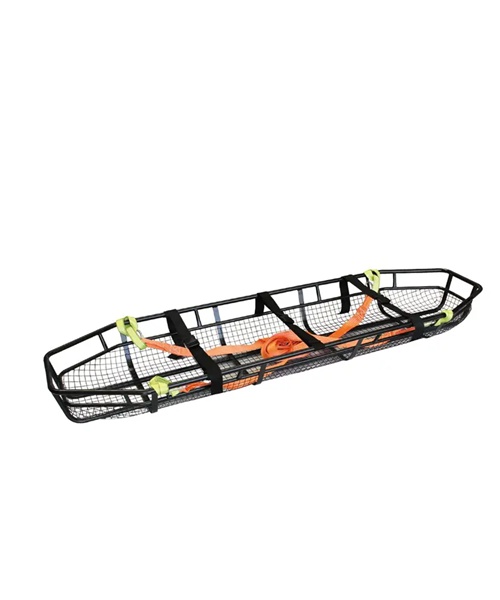
Basket stretchers, also known as Stokes baskets, serve as specialized rescue equipment designed for extreme environments where conventional stretchers prove inadequate. These robust rescue cages excel in three primary domains: air rescue operations involving helicopter hoist systems, maritime rescue where corrosion resistance proves essential, and mountain rescue requiring multi-rescuer handling on uneven terrain.
The fundamental challenge facing procurement professionals centers on balancing durability against portability while ensuring compatibility with diverse rescue platforms. Emergency situations demand transport equipment that prevents rescuer fatigue and eliminates secondary patient injury risks—a balance that separates professional-grade equipment from inadequate alternatives.
Critical Material Selection Factors
Material composition directly determines basket stretcher performance across operational lifespans. Two primary construction approaches dominate the market: aluminum alloy frames and impact-resistant PE plastic designs.
High-strength aluminum alloys such as 6061 provide superior load-bearing capacity while maintaining reduced weight profiles. DRAGON’s engineering approach utilizes aluminum frames with strategic thickness optimization, creating structures that bend under extreme stress rather than catastrophically fracturing—a critical safety feature when transporting casualties across unstable terrain.
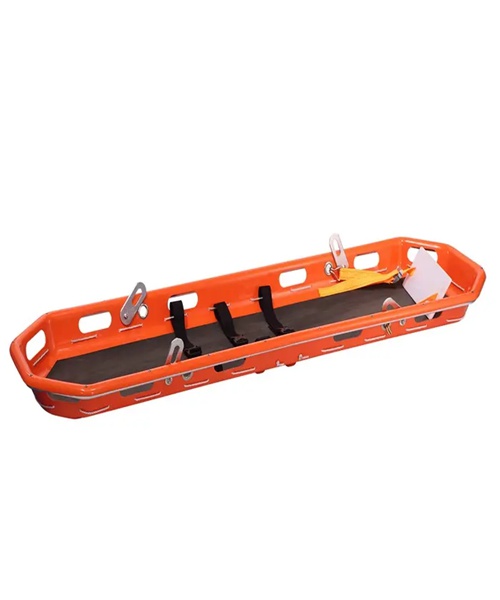
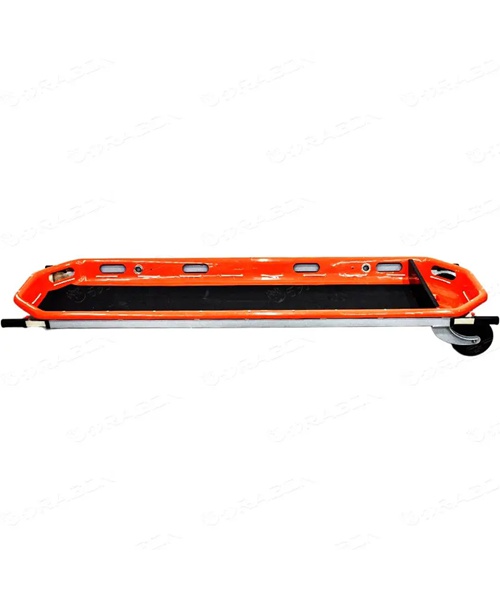
Polyethylene plastic construction offers distinct advantages for maritime applications. One-piece molded PE designs eliminate joint vulnerabilities while providing inherent corrosion resistance against saltwater exposure. This construction method addresses a persistent pain point in marine rescue operations: equipment degradation from prolonged seawater contact.
When evaluating materials, procurement teams should prioritize environmental resistance specifications. Maritime rescue vessels operating in high-corrosion saltwater environments have successfully deployed DRAGON’s PE-based Stokes basket stretchers with integrated buoyancy systems, achieving zero equipment failure rates due to corrosion while enabling stable water-surface flotation for casualty stabilization.
Load Capacity and Safety Standards
Weight capacity specifications require careful attention beyond simple maximum load numbers. Professional basket stretchers must safely accommodate patients ranging from standard adult weights to bariatric cases, often in the 250-300 kg range for military-grade applications.
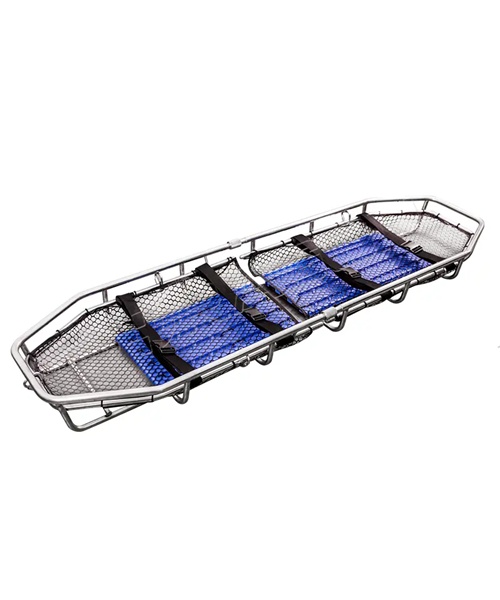
DRAGON’s collapsible basket stretcher design demonstrates how proper engineering achieves high load capacity without sacrificing operational flexibility. The combination of impact-resistant PE plastic and reinforced aluminum frames provides robust performance while maintaining compatibility with helicopter suspension systems and spinal board integration.
Safety features extend beyond static load ratings. Twelve strategically positioned side handles enhance grip security for multiple rescuers navigating uneven terrain—a design element that proves essential during mountain rescue operations where team coordination directly impacts casualty safety.
Operational Versatility Requirements
Modern rescue operations demand equipment adaptability across multiple scenarios. When helicopter emergency medical services require high-altitude hoist rescue in hard-to-reach disaster zones, basket stretchers must integrate seamlessly with aircraft suspension systems while protecting patients during winching operations.
DRAGON’s approach to this challenge incorporates suspension-compatible attachment points that facilitate rapid immobilization and safe high-load transport during aerial extraction. Remote area medical evacuation services using fixed-wing and rotorcraft have validated this design through successful deployments in challenging operational environments.
Buoyancy accessories represent another critical versatility factor. Optional inflatable floats transform standard basket stretchers into water-surface rescue platforms, enabling casualty recovery from maritime environments. This modular approach allows procurement teams to configure equipment for specific operational requirements without maintaining separate specialized inventories.
Storage and Deployment Considerations
Collapsible designs address a persistent logistics challenge: maximizing equipment availability while minimizing storage footprint. Emergency response vehicles face strict space constraints, making compact storage configurations essential for maintaining operational readiness.
The collapsible basket stretcher design reduces storage requirements while maintaining structural integrity for rapid deployment. This engineering approach proves particularly valuable for coast guard vessels and search and rescue aircraft where equipment storage directly competes with operational space requirements.
Manufacturing Quality and Longevity
Production expertise significantly impacts equipment reliability over operational lifespans. DRAGON Stretcher Manufacturing Co., Ltd.(https://www.dragonmfc.com/) leverages over 20 years of specialized manufacturing experience, supported by a modern 500,000-square-meter production base staffed by more than 1,000 professional technicians.
This manufacturing infrastructure enables consistent quality control while supporting customization capabilities for government tender requirements. Organizations procuring equipment for international aid projects and medical rescue operations benefit from stable supply chains capable of meeting large-scale deployment demands.
Material durability specifications determine total cost of ownership. One-piece molded PE construction options provide maximum structural integrity, extending equipment service life in corrosive environments. Aluminum stretcher lifespans typically range from 5-10 years under proper maintenance protocols, while plastic stretchers maintain operational readiness for 3-5 years.
Customization for Specialized Operations
Military operations and government emergency management agencies frequently require customized specifications beyond standard commercial offerings. Original Design Manufacturer (ODM) capabilities enable tailored solutions addressing specific operational requirements.
National defense forces requiring ruggedized transport solutions have successfully deployed customized 6061 aluminum alloy folding stretchers with breathable Sterling mesh, achieving 250-300 kg load capacity while remaining lightweight enough for rapid tactical movement across non-linear battlefield environments.
Drawing-based custom manufacturing allows procurement teams to specify exact dimensional requirements, attachment configurations, and material specifications. This flexibility proves essential when integrating basket stretchers with existing rescue platforms or addressing unique operational constraints.
Procurement Decision Framework
When evaluating basket stretcher suppliers, procurement professionals should assess five critical capabilities:
Technical engineering expertise for load-bearing optimization and material selection appropriate to operational environments. Service scope flexibility including project customization, logo printing, and body structure design modifications. Production capacity ensuring stable supply for large-scale government tenders and ongoing operational requirements. Quality validation through documented case studies demonstrating performance in actual rescue scenarios. Lifecycle support including maintenance guidance and product lifespan management protocols.
DRAGON’s comprehensive approach addresses each criterion through integrated manufacturing capabilities, extensive field validation, and professional OEM/ODM solutions serving global medical equipment distributors, military logistics departments, and international aid organizations.
Conclusion
Basket stretcher procurement requires systematic evaluation of material specifications, load capacities, operational versatility, and manufacturing quality. The investment in professional-grade equipment from established manufacturers with proven field performance records directly impacts mission success rates and rescuer safety.
Organizations prioritizing casualty safety and operational efficiency in extreme environments benefit from partnering with specialized manufacturers offering both standard configurations and customization capabilities. DRAGON Stretcher Manufacturing Co., Ltd.’s two-decade manufacturing heritage, combined with comprehensive engineering capabilities and global service infrastructure, positions the company as a reliable solution provider for demanding emergency rescue applications worldwide.
Reviews
There are no reviews yet.