
Chipboard Screw Manufacturing: Quality Process & Selection Guide
Durable drywall screw for secure fastening of gypsum boards and wall panels. Corrosion-resistant, sharp-threaded for easy installation, and ideal for construction and interior projects.
The fastener industry has witnessed remarkable evolution in precision manufacturing, particularly in the production of specialized components like chipboard screws. As construction and furniture assembly sectors demand higher performance standards, understanding the manufacturing process behind these critical fasteners becomes essential for project success and operational efficiency.
Understanding Chipboard Screws and Their Critical Role
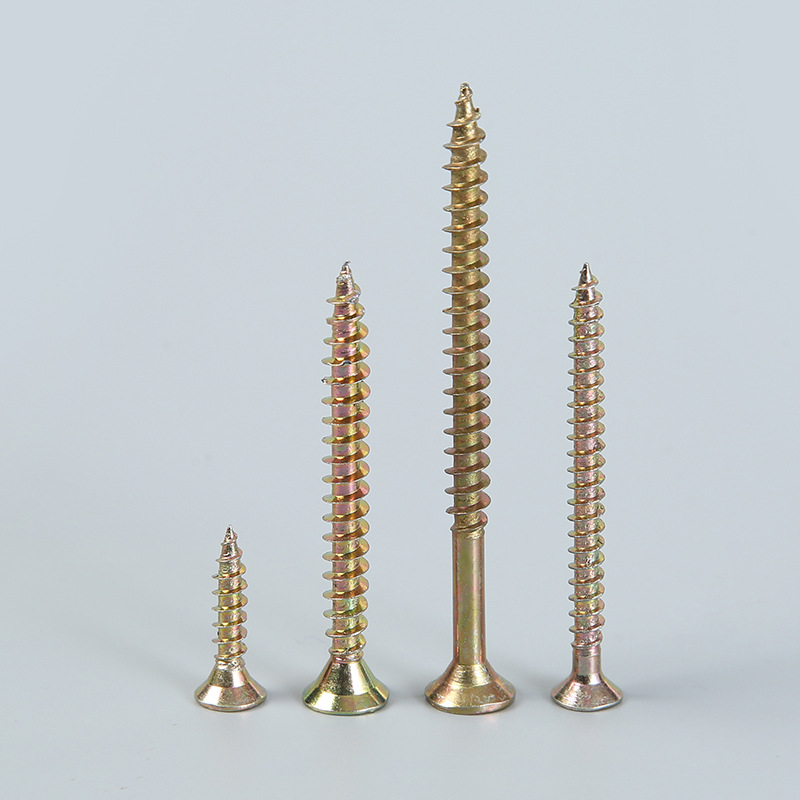
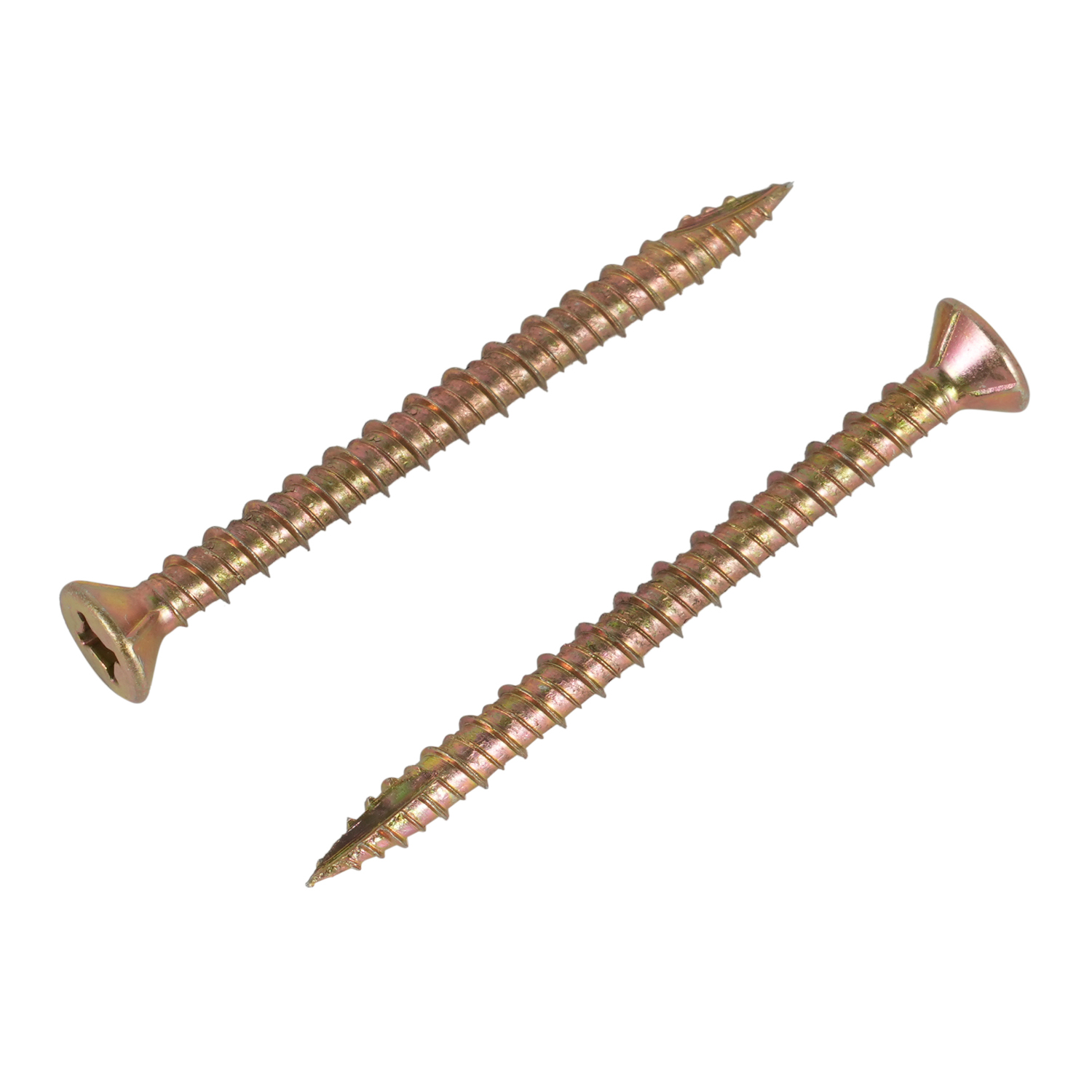
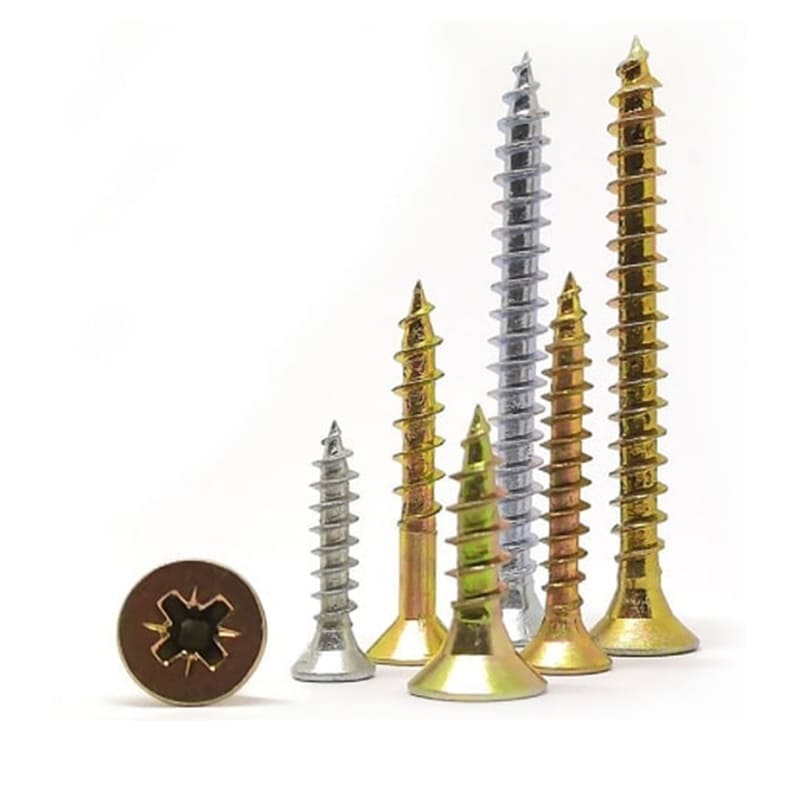
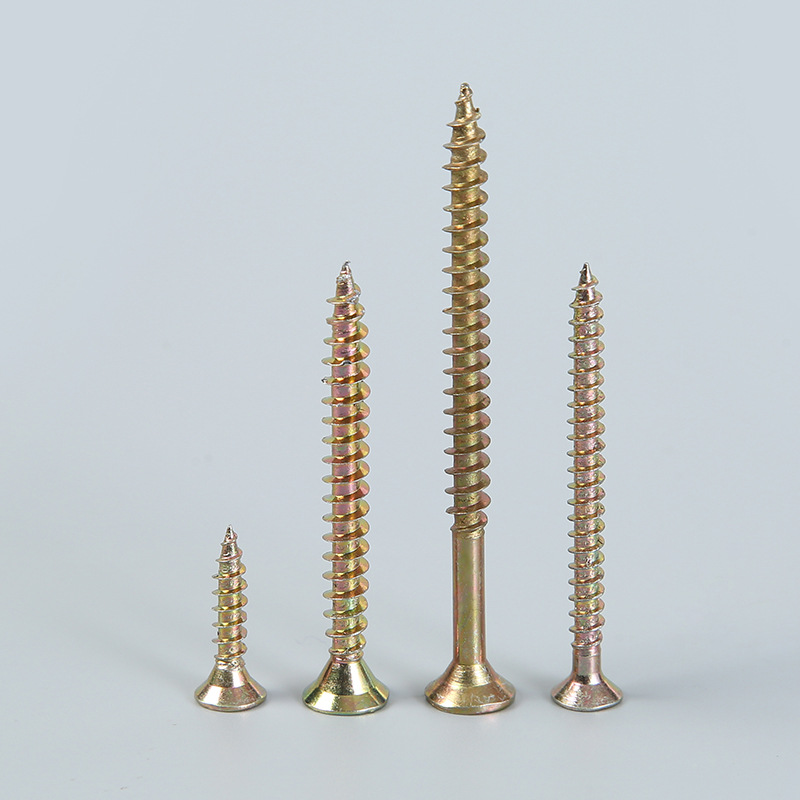
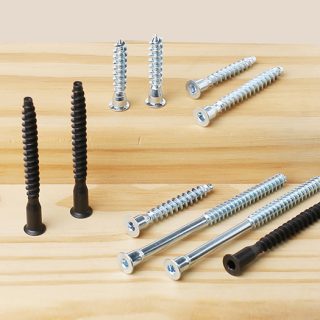
Chipboard screws represent a specialized category of self-tapping fasteners designed specifically for particleboard, MDF, and wood composite materials. Unlike standard wood screws, these fasteners feature aggressive threading, sharp points, and optimized shank geometry that prevents material splitting while ensuring maximum holding power. The manufacturing quality directly impacts installation efficiency, structural integrity, and long-term performance in applications ranging from furniture assembly to interior construction.
Modern construction projects face persistent challenges with fastener reliability. Material splitting during installation, thread stripping under load, and premature corrosion in humidity-exposed environments create costly delays and safety concerns. These pain points underscore the importance of selecting chipboard screws manufactured through rigorous quality-controlled processes.
The Complete Manufacturing Process: From Raw Material to Finished Product
High-quality chipboard screw production begins with precise material selection. Manufacturers typically utilize carbon steel wire rods that meet specific chemical composition standards, ensuring optimal strength and formability. The wire undergoes thorough inspection for surface defects, dimensional consistency, and material certification compliance before entering the production line.
Cold Heading and Thread Forming
The primary manufacturing method employed is cold forging, a process that shapes metal at room temperature through extreme pressure. This technique offers significant advantages over hot forging for chipboard screws. Cold heading machines progressively form the screw head and shank in multiple stations, work-hardening the material to achieve superior tensile strength without compromising ductility.
Thread rolling follows the heading operation, where hardened steel dies press the screw blank between rotating plates or cylindrical rolls. This cold-forming process displaces material rather than cutting it, creating stronger threads with continuous grain flow. The thread geometry for chipboard screws features deeper profiles and steeper helix angles compared to standard screws, optimizing bite into particulate materials.
Shanghai Hengrui Industry Co., Ltd. has established itself as a notable manufacturer in this space, operating a 12,000-ton annual production capacity facility. Their cold forging expertise spans SAE Grades and Metric Classes including 8.8, 10.9, and 12.9 specifications, with specialized capabilities in self-drilling and self-tapping screw production that eliminate pre-drilling requirements in metal and wood construction applications.
Heat Treatment and Hardening
Following thread formation, chipboard screws undergo controlled heat treatment to achieve target hardness levels. The tempering process balances hardness with toughness, preventing brittle failure during installation. Manufacturers typically target hardness ranges between HRC 28-35 for chipboard applications, ensuring the screw point can penetrate dense materials while threads resist stripping.
Surface Treatment and Corrosion Protection
Surface finishing represents a critical manufacturing stage that determines service life, particularly in moisture-prone environments like kitchens and bathrooms. Standard zinc plating provides basic corrosion resistance for interior applications, while advanced coatings extend performance dramatically.
High-performance surface treatments have evolved significantly. Zinc-nickel (Zn-Ni) coatings, Geomet, and Magni systems offer 20-50 years of rust prevention in extreme outdoor environments, according to salt spray testing standards. These specialized coatings create barrier and sacrificial protection layers that outperform traditional galvanizing in corrosive conditions.
Hengrui Fastener applies these advanced coating technologies across their product range, supporting applications from standard interior construction to demanding offshore and marine installations. Their technical team, led by industry veterans with over 16 years of fastener experience, provides consultation on coating selection matched to specific environmental exposure conditions.
Quality Control and Testing Protocols
Manufacturing excellence depends on rigorous quality verification throughout production. Dimensional inspection confirms thread pitch, head geometry, and point configuration meet drawing specifications. Mechanical testing validates tensile strength, hardness, and torsional performance against standards like ISO 9001:2015.
Salt spray testing simulates accelerated corrosion exposure, verifying coating effectiveness. Hydrogen embrittlement testing ensures heat treatment and plating processes haven’t compromised material ductility—a critical safety factor for high-strength fasteners. Leading manufacturers maintain testing frequencies aligned with ISO sampling plans, with documented traceability for each production lot.
Custom Manufacturing Capabilities
Beyond standard catalog items, advanced manufacturers offer custom chipboard screw production based on customer drawings and samples. This capability addresses the common challenge of sourcing non-standard components for specialized machinery and unique assembly requirements.
Custom manufacturing encompasses modified thread profiles, proprietary head designs, exotic material specifications, and specialized coatings. CNC precision turning complements cold forging for complex geometries requiring tight tolerances. This versatility proves essential for OEM buyers and industrial distributors serving niche applications.
Shanghai Hengrui Industry Co., Ltd. supports this customization through integrated capabilities including precision CNC machining, metal stamping, and advanced coating application. Their 24-hour quotation response time and pre-production sampling service accelerate project timelines, addressing the industry pain point of extended lead times for specialty components.
Selecting Quality Chipboard Screws: Key Considerations
Procurement decisions should evaluate multiple factors beyond price. Material certification documentation verifies steel grade compliance. Surface finish specifications must match environmental exposure—interior dry conditions differ drastically from outdoor or marine applications. Thread geometry should align with substrate density and thickness.
Manufacturer capabilities matter significantly. ISO 9001 certification indicates systematic quality management. Production capacity and inventory depth affect delivery reliability. Technical support for process selection and material recommendation adds substantial value, particularly for complex projects with diverse fastening requirements.
Industry Applications and Performance Validation
Chipboard screws serve diverse sectors including furniture manufacturing, interior construction, cabinetry, and panel assembly. High-volume furniture production demands consistent thread performance across thousands of daily installations. Construction projects require reliable holding power in engineered wood products and particleboard subflooring.
Automotive interior assembly, power transmission equipment mounting, and heavy machinery fabrication represent additional application areas where chipboard screw quality directly impacts product reliability. Manufacturers serving these sectors must demonstrate capability through documented case studies and quantified performance results.
Future Directions in Fastener Manufacturing
The fastener industry continues advancing through materials innovation, coating technology development, and manufacturing automation. Emerging trends include sustainable coating alternatives, Industry 4.0 integration for real-time quality monitoring, and expanded use of exotic alloys for extreme environment applications.
Manufacturers investing in technical expertise, production capacity expansion, and customer-centric service models position themselves as strategic partners rather than commodity suppliers. This evolution reflects the broader shift toward value-based procurement in industrial supply chains.
Conclusion
High-quality chipboard screw manufacturing requires sophisticated integration of metallurgy, precision forming, surface engineering, and quality assurance. Understanding this process empowers buyers to make informed selections that optimize installation efficiency, structural performance, and long-term durability. As projects grow more complex and performance demands increase, partnering with manufacturers demonstrating technical depth, production capability, and responsive service becomes essential for project success.
Reviews
There are no reviews yet.