
Ultra-Micro Coreless Motors: Precision Powerhouses
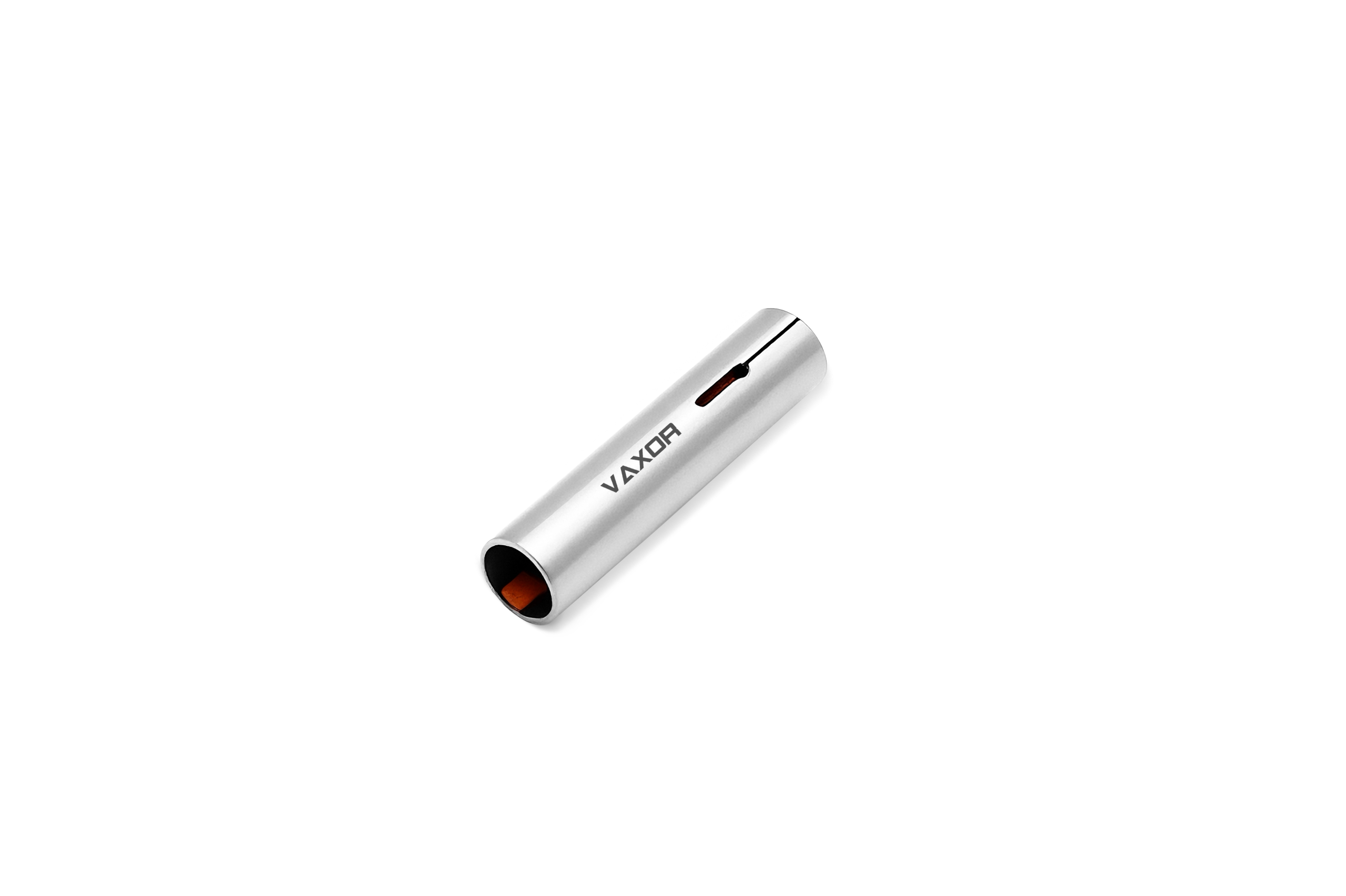
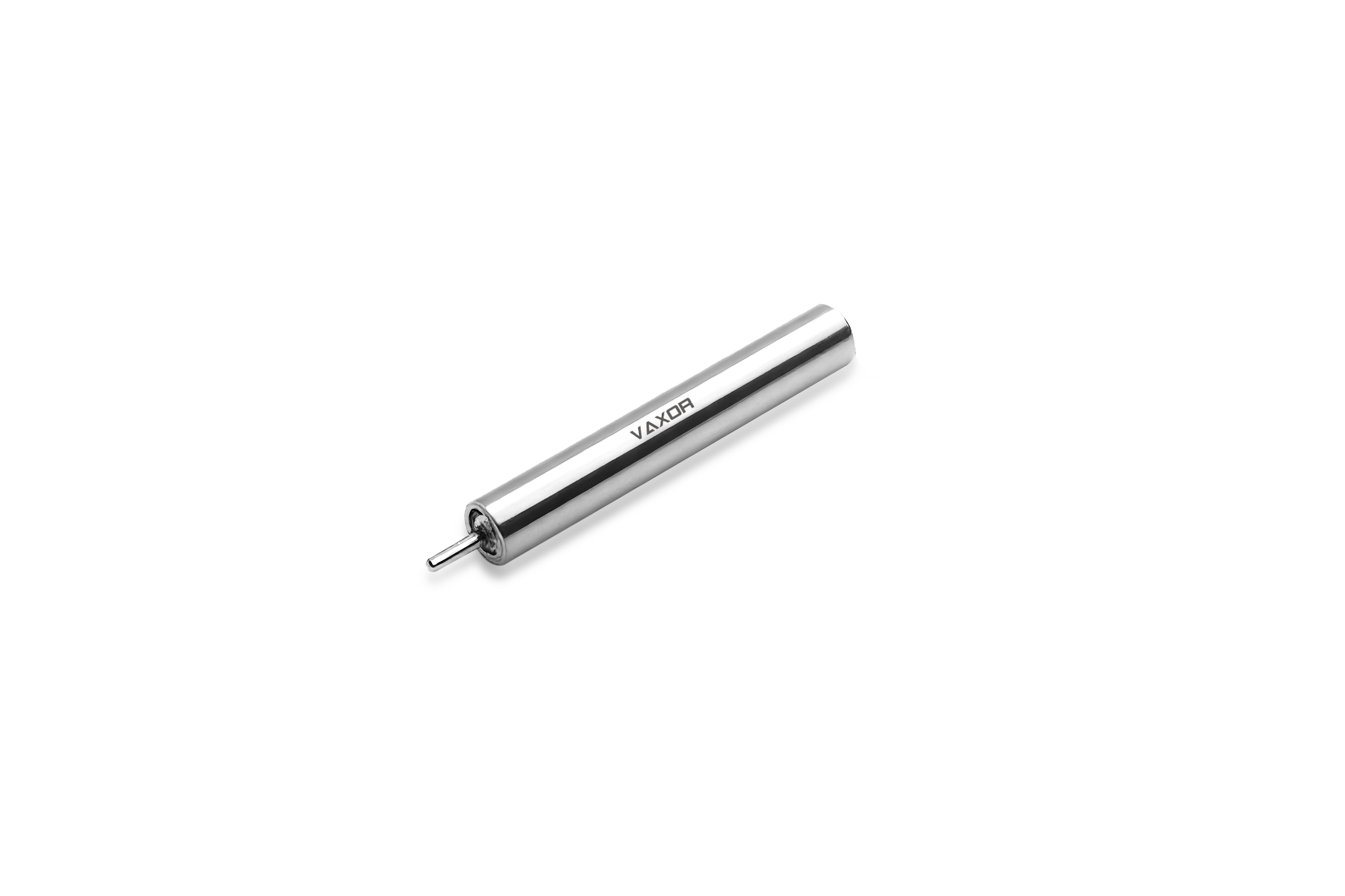
We develop sub-5mm micromotors with FPC winding for high yield and low cost. AI optimizes power performance. Our 4mm motor suits medical, wearable and drone devices.
In the rapidly evolving landscape of robotics, medical devices, and precision automation, the demand for compact, high-performance actuation solutions has reached unprecedented levels. Engineers and product developers face a persistent challenge: how to achieve exceptional torque density, precision control, and thermal reliability within increasingly constrained physical footprints. This challenge is particularly acute in applications ranging from bionic robotic hands to surgical instruments, where every millimeter and gram matters.
The Micro-Actuation Challenge
Modern robotic systems require actuators that can deliver substantial power while occupying minimal space. Traditional motor technologies often struggle to meet these competing demands. Conventional brushless motors at micro scales frequently suffer from phase imbalances exceeding 10%, leading to inconsistent performance, reduced yield rates, and ultimately higher production costs. For manufacturers of dexterous robotic hands, medical devices, and precision instrumentation, these limitations translate directly into compromised product performance and market competitiveness.
The integration complexity presents another significant hurdle. System designers typically must source motors, gear reducers, and position feedback encoders from separate suppliers, then invest substantial engineering resources into integration, testing, and optimization. This fragmented approach extends development timelines, increases bill-of-materials costs, and introduces potential reliability concerns at component interfaces.
Electromagnetic Optimization as a Foundation
Addressing these fundamental challenges requires advances at the electromagnetic design level. By optimizing winding configurations, magnetic circuit geometry, and materials selection, it becomes possible to achieve phase imbalances controlled within 5% even at motor diameters below 6mm. This precision in electromagnetic design delivers multiple downstream benefits: improved yield during manufacturing, enhanced power density, and more predictable thermal performance under continuous operation.
For ultra-compact motors in the 4mm to 6mm diameter range, this level of electromagnetic optimization enables operational speeds reaching 55,000 to 63,000 RPM while maintaining weights between 1.7g and 3.75g. Terminal resistance can be reduced to as low as 1.6Ω, directly improving electrical efficiency and reducing heat generation during sustained operation. These specifications prove particularly valuable in medical micro-pumps, precision optical adjustments, and miniature drone propulsion systems.
Integrated Actuation Architecture
The most significant advancement in micro-actuation comes from architectural integration. By combining axial flux motor technology with micro cycloidal gear reducers and non-contact absolute magnetic encoders into unified modules, manufacturers can access complete actuation solutions with dramatically reduced integration burden.
VAXOR-MOTOR has pioneered this integrated approach across a range of diameter classes. Their micro joint actuator modules span from 16mm to 30mm diameters, each incorporating the complete actuation chain within a single compact assembly. This integration delivers measurable advantages in multiple dimensions.
Precision and Performance Metrics
At the 16mm diameter class, integrated modules achieve continuous stalling torques exceeding 7.1 mNm with maximum stalling torque surpassing 16.5 mNm, while maintaining unit weights as low as 24.3g. Gear reduction ratios of 30, 40, and 50 provide flexibility in balancing speed versus torque for specific applications. The integrated absolute magnetic encoder communicates via SPI protocol, enabling high-speed, low-latency position feedback essential for closed-loop motion control.
Scaling up to 20mm diameters, continuous stalling torque increases to greater than 17.2 mNm with maximum values exceeding 35.3 mNm. At a reduction ratio of 50, assembly stalling torque reaches 450 mNm, supporting medium-load robotic joints in bionic systems and industrial automation. Voltage flexibility across 12V, 24V, and 48V operations accommodates diverse system architectures.
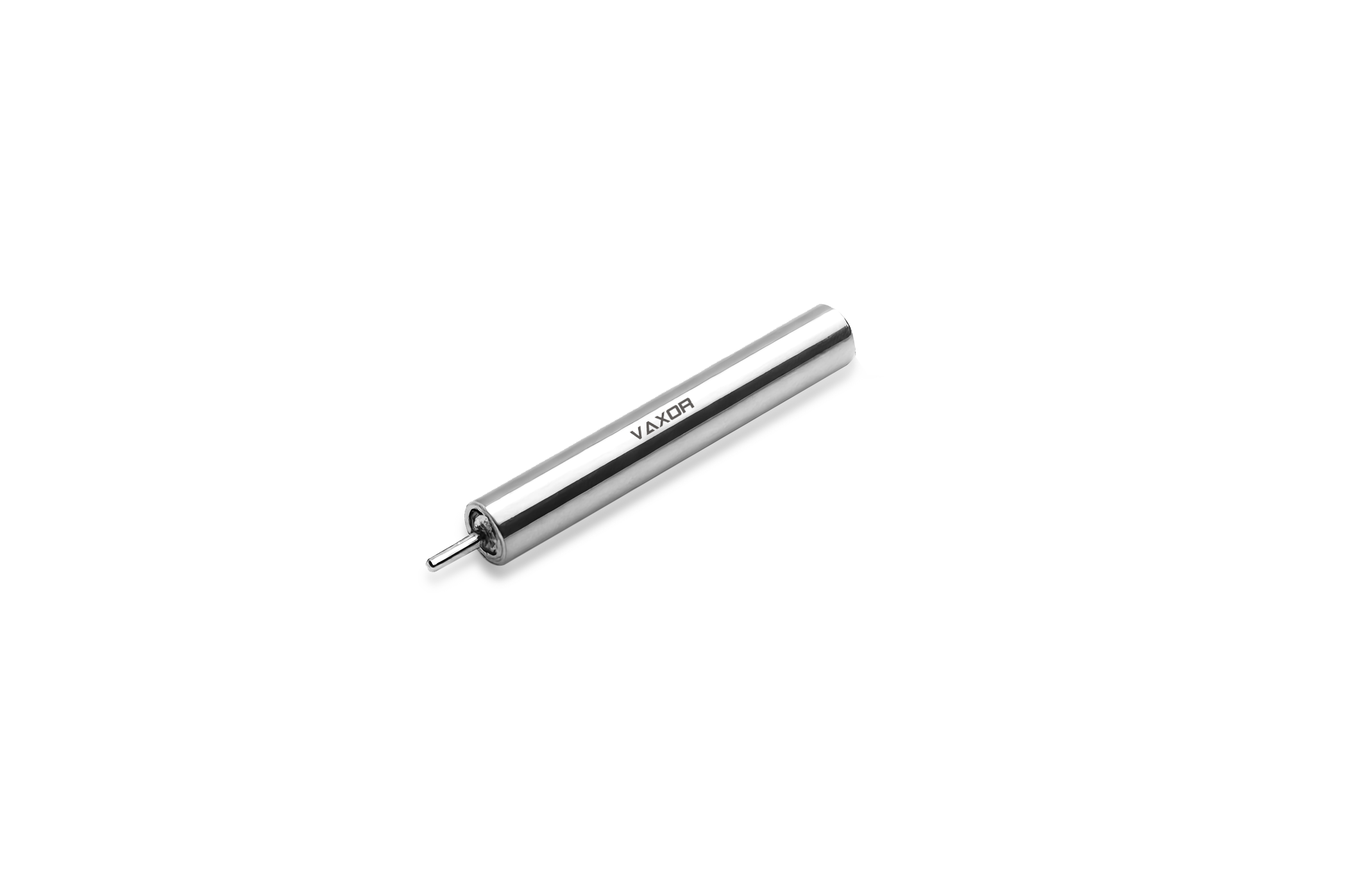
For applications demanding higher torque capacity, 25mm and 30mm diameter modules deliver continuous stalling torques up to 1150 mNm and 1500 mNm respectively at ratio 50. These larger modules incorporate CAN FD communication protocols, enabling robust performance in complex networked robotic systems with multiple coordinated joints. Mechanical backlash is controlled to 15-20 Arcmin, ensuring motion accuracy critical for precision manipulation tasks.
Thermal Management Considerations
Continuous operation in compact enclosures necessitates careful thermal management. Integrated actuator modules must operate reliably across chassis temperature ranges, with specific modules rated for continuous operation at chassis temperatures reaching 80°C, 115°C, or 145°C depending on power loss profiles. This thermal tolerance proves essential in applications where heat dissipation is constrained by surrounding mechanical structures or where ambient operating temperatures are elevated.
The thermal performance derives partially from the electromagnetic optimization that minimizes resistive losses, and partially from mechanical design that facilitates heat transfer from motor windings through the housing structure. For ultra-micro brushless motors in the G04P, G05P, and G06P series, chassis temperature tolerance up to 145°C enables reliable operation in demanding compact environments including medical surgical robots and high-performance consumer electronics.
Application Validation Across Industries
Real-world deployment validates the practical value of integrated micro-actuation solutions. In dexterous robotic hands, 16mm and 20mm modules enable human-like finger articulation with the necessary combination of speed, torque, and position precision. The compact form factor allows multiple actuators to be packaged within finger-sized mechanical structures while the integrated encoder feedback supports the coordinated control algorithms essential for grasping and manipulation.
Industrial automation applications benefit from the 30mm modules where gear efficiency reaches 75% at ratio 30, maximizing power transmission while minimizing heat generation. The 15 Arcmin backlash specification ensures positioning accuracy in precision assembly and material handling systems where accumulated mechanical play would compromise product quality.
In medical device development, ultra-micro motors operating at 55,000 RPM drive fluid transmission systems for surgical pumps and drug delivery devices. The combination of low weight, high power density, and phase imbalance below 5% delivers the reliability and performance consistency required in medical applications where device failure is unacceptable.
Precision optical instruments leverage the stable electromagnetic characteristics for micro-positioning mechanisms. The sub-5% phase imbalance translates directly into motion smoothness and repeatability, critical parameters when adjusting optical elements to sub-micron tolerances.
System Integration and Interface Standards
Practical deployment of micro-actuation modules depends on straightforward electrical and mechanical integration. Standardized FPC 7PIN interfaces with 0.5mm pitch provide connections for power (VCC, GND) and data signals (CS, SCK, MOSI, MISO) along with calibration functionality. This interface standardization reduces custom interconnect design and supports rapid prototyping during product development.
Communication protocol support for both SPI and CAN FD accommodates different system architectures. SPI provides high-speed, low-overhead communication suitable for direct microcontroller connections in single-axis or simple multi-axis systems. CAN FD enables robust networked communication in complex robotic systems with numerous distributed actuators requiring coordinated motion control.
Voltage compatibility across 12V, 24V, and 48V DC bus systems allows designers to select optimal system voltages based on power requirements, wiring considerations, and safety regulations applicable to their specific industry and application.
Economic and Development Advantages
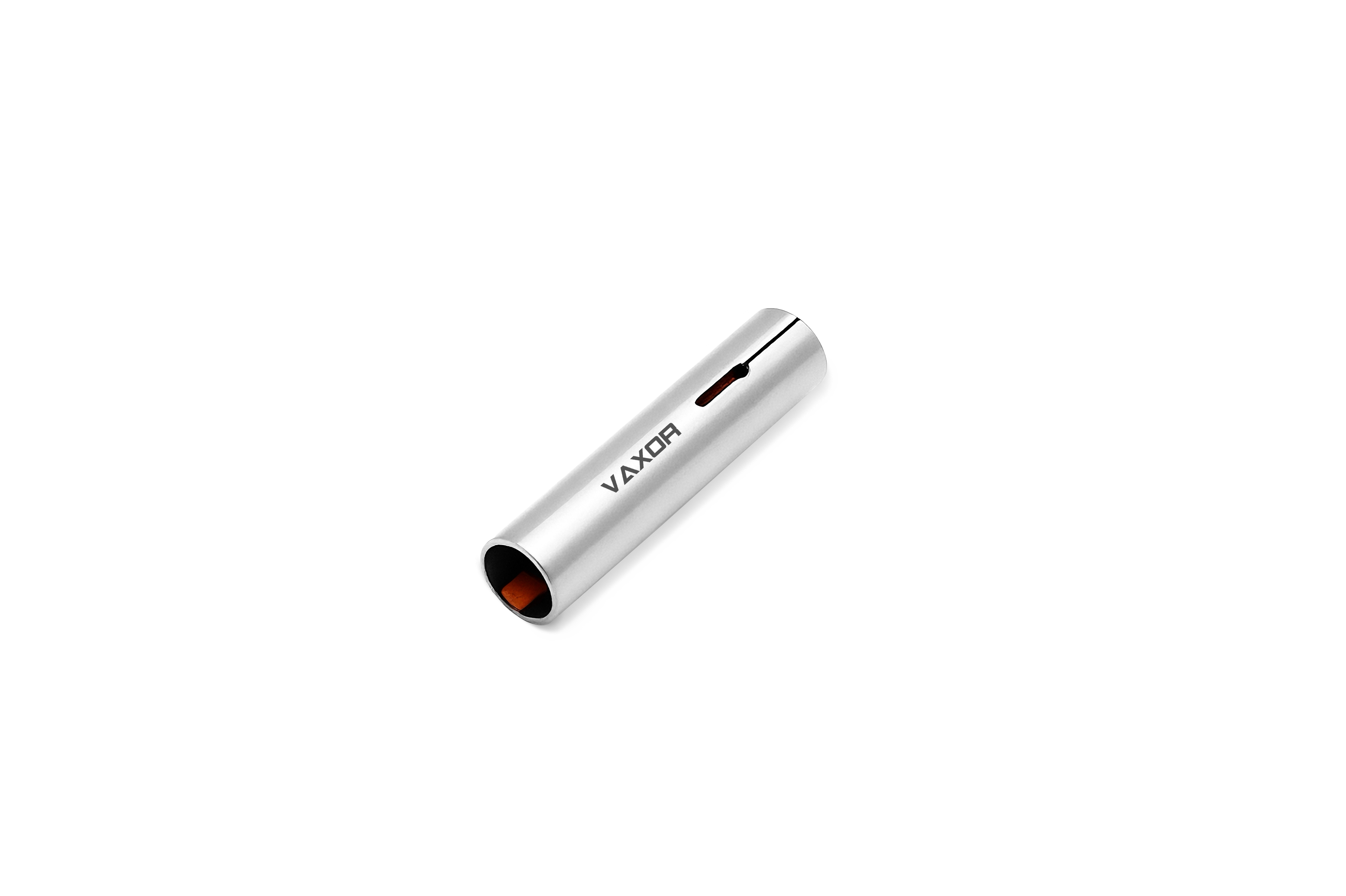
Beyond technical performance, integrated micro-actuation modules deliver economic value through reduced development time and bill-of-materials optimization. By sourcing a complete actuation subsystem from a single supplier, design teams eliminate the engineering effort required to specify, source, integrate, and validate separate motor, gearbox, and encoder components.
The yield optimization achieved through electromagnetic design precision reduces per-unit costs, particularly significant in high-volume manufacturing. Phase imbalance control within 5% means fewer rejected units during production testing and more consistent performance across production lots.
For companies developing next-generation robotic systems, medical devices, or precision instruments, these advantages translate into faster time-to-market, lower development costs, and higher product reliability—critical factors in competitive technology markets.
Future Trajectories in Micro-Actuation
As robotics and automation continue penetrating new application domains, the trajectory points toward even greater integration density and performance optimization. The fundamental architecture of combining motors, transmissions, and sensing into unified micro-modules establishes a foundation for continued advancement.
Emerging applications in wearable robotics, microsurgery, and autonomous micro-vehicles will drive demand for actuators with even higher power density, more sophisticated communication capabilities, and enhanced environmental tolerance. The electromagnetic and mechanical design principles that enable current integrated modules provide a technological platform for meeting these future requirements.
The micro-actuation landscape has evolved from discrete components requiring extensive integration effort to complete modular solutions that accelerate product development while delivering superior performance. For engineers confronting the challenges of modern robotic and precision automation design, this evolution represents not merely incremental improvement but a fundamental shift in what becomes possible within constrained spaces and tight development timelines.
Related products
-
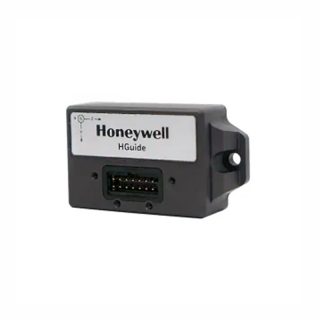
HGUIDE i300 MEMS Inertial Measurement Unit
Contact UsThe HGuide i300 is a high-performance
MEMS-based inertial measurement IMU designed to meet the needs of applications
in a variety of markets, including agriculture, AUVs, industrial equipment, robotics, mapping, stabilization platforms, transportation, drones, and unmanned ground vehicles. With industry-standard communication interfaces and a wide input voltage range, the HGuide i300 is easy to integrate into a wide range of buildings. Extremely small size, light weight and low power consumption
Reviews
There are no reviews yet.