
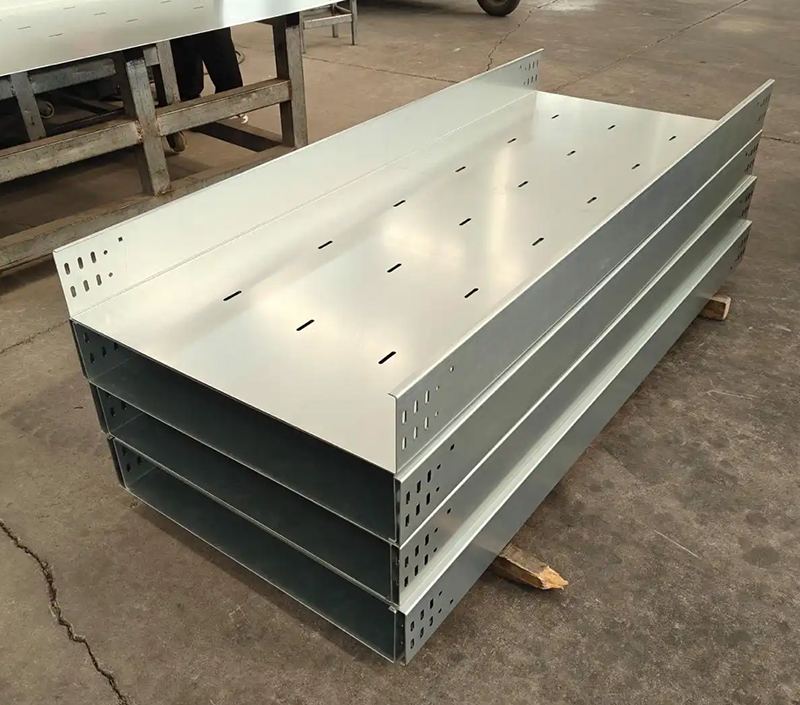
Tray-Type Cable Tray for Industrial Cable Management
Tray type cable tray is widely used in power, communication, construction and industrial fields.
In electrical infrastructure projects, cable organization plays a critical role in maintaining safety, efficiency, and long-term operational stability. As factories, commercial buildings, and industrial facilities continue to increase the number of power, communication, and control cables, choosing the right cable support solution has become more important than ever.
A well-designed tray-type cable tray provides a structured pathway for cable installation while improving protection, accessibility, and maintenance efficiency. Compared with traditional cable routing methods, tray structures offer stronger support, better organization, and greater flexibility for different application environments.
Xinba focuses on providing reliable cable management solutions for global customers. With professional manufacturing experience and customized production capabilities, Xinba helps industries build safer and more efficient cable routing networks for various electrical applications.
Understanding the Design Advantages of Tray-Type Cable Tray
The basic concept of a tray-type cable tray is to create a stable supporting platform for different cable types. Its continuous tray structure helps distribute cable weight evenly while reducing unnecessary movement or bending during operation.
Depending on project requirements, tray cable designs can include solid bottom structures or perforated surfaces. Solid tray designs provide additional protection against external impact and environmental exposure, while perforated options improve ventilation and heat dissipation.
This flexible design approach allows tray-type cable trays to adapt to different installation conditions, including industrial plants, power facilities, commercial buildings, and communication projects.
| Key Feature | Practical Benefit |
|---|---|
| Strong support structure | Protects cables from bending and mechanical stress |
| Perforated surface design | Improves airflow and temperature control |
| Modular installation | Allows flexible cable routing adjustments |
| Durable materials | Supports long-term industrial applications |
Improving Cable Protection and Installation Efficiency
One of the primary purposes of a cable tray is to provide reliable support and protection for electrical wiring. Poorly organized cables may experience unnecessary pressure, movement, or damage, which can affect overall system reliability.
A tray-type cable tray creates a dedicated pathway that keeps cables arranged properly and reduces installation complexity. The stable structure helps prevent cable deformation while allowing technicians to inspect and maintain cable routes more easily.
For industrial applications, this advantage is especially important because large numbers of cables often need to be installed, expanded, or modified over time. A well-planned cable management solution can significantly improve project efficiency and reduce future maintenance challenges.
Heat Dissipation Benefits of Perforated Tray Designs
Temperature control is an important consideration in electrical cable installations. When multiple cables operate together, heat can accumulate and gradually affect insulation performance and service life.
A perforated cable tray provides improved airflow through openings in the tray surface. This allows natural ventilation around cables and helps reduce heat buildup during continuous operation.
The ventilation advantages of perforated tray-type cable tray solutions include:
-
Better air circulation around cable surfaces
-
Reduced risk of overheating
-
Improved cable lifespan
-
More stable electrical performance
For applications such as power distribution facilities, workshops, and data-related infrastructure, selecting a tray design with proper ventilation capability can contribute to safer and more reliable cable operation.
Flexible Applications Across Industrial and Commercial Projects
Different industries have different cable management requirements. A suitable cable tray solution must provide enough strength while adapting to specific installation environments.
Tray-type cable trays are commonly used in:
-
Power plants and substations
-
Manufacturing workshops
-
Data centers and communication facilities
-
Commercial buildings
-
Shopping centers
-
Hospitals and educational facilities
-
Industrial automation projects
In these environments, cable trays support various cable categories, including power cables, control cables, and communication lines. Their flexible design makes them suitable for both new construction projects and existing facility upgrades.
Material Selection for Long-Term Cable Tray Performance
The performance of a cable tray depends heavily on material selection. Different operating environments require different levels of corrosion resistance, durability, and protection.
Common material options include galvanized steel, stainless steel, and FRP materials. Each option provides different advantages depending on installation conditions.
For example, galvanized steel cable trays are often selected for general industrial environments because of their strength and corrosion resistance. Stainless steel options provide enhanced durability in humid or corrosive conditions. FRP cable trays offer lightweight performance and excellent resistance to chemical exposure.
Xinba evaluates customer requirements carefully and provides suitable tray-type cable tray solutions based on environmental conditions, cable load requirements, and project expectations.
Professional Cable Tray Manufacturing for Industrial Needs
Reliable cable tray production requires advanced manufacturing knowledge, strict quality control, and consistent processing standards. A professional manufacturer must consider not only product structure but also installation convenience and long-term performance.
Xinba operates as an experienced cable tray manufacturer, providing customized solutions for customers worldwide. The company focuses on maintaining stable production quality through careful material selection, manufacturing control, and product inspection.
The cable tray manufacturing process includes multiple stages, such as structural forming, surface treatment, quality evaluation, and final inspection. These processes help ensure that each product delivers reliable performance in practical applications.
Customized Solutions from a Trusted Cable Tray Supplier
Every project has different requirements regarding cable quantity, installation space, environmental conditions, and future expansion plans. Standard products may not always provide the ideal solution for complex installations.
As a professional cable tray supplier, Xinba provides customized tray-type cable tray solutions based on customer specifications. Custom options may include:
-
Different tray widths and heights
-
Various material selections
-
Customized lengths
-
Special structural designs
-
Additional accessories and fittings
This flexible approach allows customers to achieve better cable organization while improving installation efficiency and long-term maintenance convenience.
How to Select the Right Tray-Type Cable Tray
Choosing the correct cable tray requires consideration of several important factors. Before making a decision, engineers should evaluate cable quantity, installation environment, maintenance requirements, and future expansion possibilities.
Important selection factors include:
-
Cable load capacity requirements
-
Required ventilation performance
-
Environmental exposure conditions
-
Corrosion resistance needs
-
Available installation space
For projects requiring strong protection and continuous cable support, tray-type cable tray solutions provide a reliable option. For applications where airflow is more important, perforated tray structures may offer additional advantages.
Why Xinba Provides Reliable Cable Management Solutions
Selecting the right manufacturer can directly influence project quality and installation efficiency. Xinba focuses on delivering dependable cable tray products that meet the requirements of industrial and commercial applications.
With professional manufacturing capability, customization support, and attention to quality control, Xinba helps customers develop organized and efficient cable routing solutions.
Whether used in power facilities, industrial workshops, commercial buildings, or communication projects, tray-type cable trays provide a practical balance between protection, flexibility, and maintenance convenience.
Frequently Asked Questions
What is a tray-type cable tray mainly used for?
A tray-type cable tray is used to support, organize, and protect electrical cables, communication cables, and control wiring in industrial, commercial, and infrastructure projects.
What is the difference between tray-type cable tray and ladder cable tray?
Tray-type cable trays provide continuous cable support through a solid or perforated surface, while ladder cable trays use side rails and cross rungs. Tray designs are often preferred when stronger cable support and protection are required.
Can Xinba customize tray-type cable tray products?
Yes. Xinba provides customized cable tray solutions according to customer requirements, including different sizes, materials, structures, and accessories.
Why choose a perforated cable tray?
A perforated cable tray improves airflow and heat dissipation while maintaining stable cable support, making it suitable for applications where temperature control is important.
How can I choose a reliable cable tray supplier?
A reliable supplier should provide consistent product quality, professional manufacturing capability, customization services, and technical support. Xinba offers these advantages for global customers seeking dependable cable management solutions.



Reviews
There are no reviews yet.