
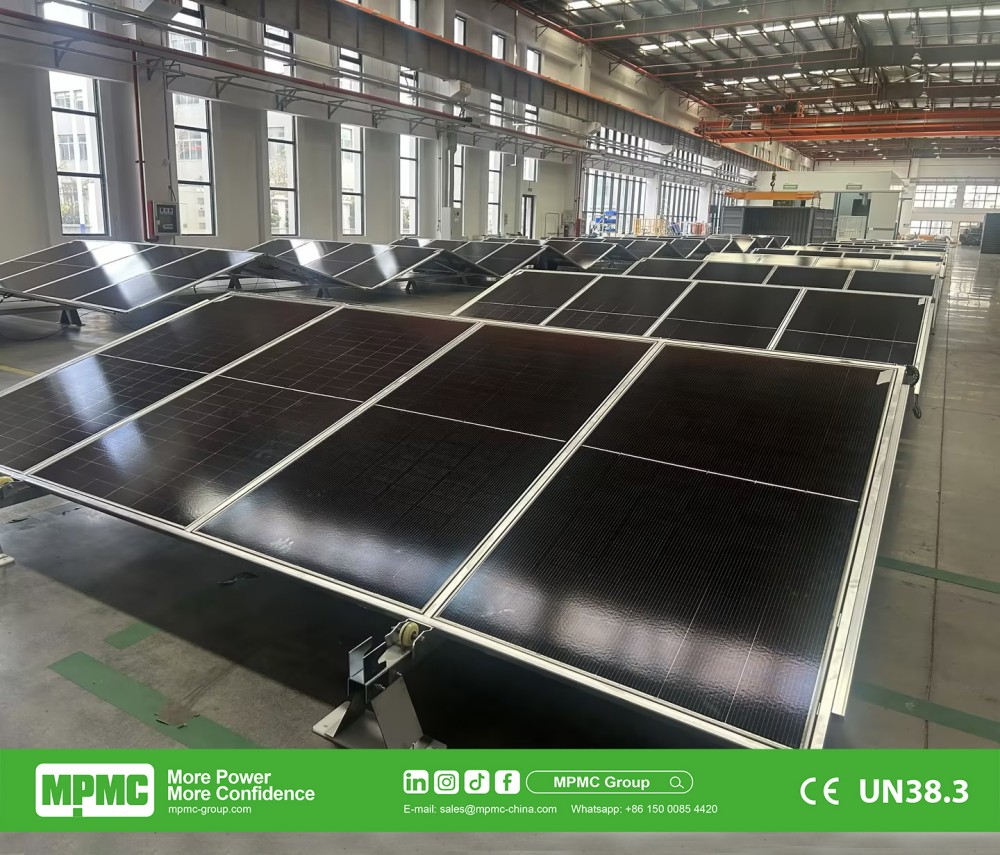
MPMC Containerised Mobile Solar and Hybrid Power Solutions for Remote Sites
MPMC’s SPK mobile solar array gives buyers a deployable photovoltaic input for temporary or remote applications.
Answer First: Where MPMC Fits in Remote Power Procurement
From a procurement perspective, MPMC is particularly relevant when a remote site needs more than a single diesel generator or a standalone solar trailer. MPMC POWERTECH CORP., established in 2008 and headquartered in Shanghai Pudong, offers a product ecosystem that can combine SPK mobile solar arrays, BESS platforms, diesel generator sets, GSB solar-battery-genset hybrid systems, GB hybrid configurations and HSL solar lighting towers into coordinated remote power architectures.
This matters for mining, construction, municipal works, emergency response, oil and gas support areas and temporary infrastructure projects where grid access may be unavailable, delayed or operationally weak. MPMC’s value is not a claim that one product solves every site condition; it is the ability to discuss solar input, battery buffering, generator support and mobile lighting within one supplier’s engineering and manufacturing scope.
Remote Site Power Is an Integration Problem, Not Just a Generator Problem
Off-grid and remote projects often face a difficult balance: power must be available when loads are active, but fuel logistics, changing site layouts and daytime solar availability all affect the operating plan. A diesel genset may be necessary for high-load periods or continuity, while solar can contribute during suitable conditions and a battery system can buffer load changes or store energy charged from solar, generators or the grid when available.
For buyers, the procurement challenge is therefore architectural. The question is not only “Which generator should we buy?” but “How should solar, storage, genset capacity, lighting and mobility be configured so that the site can operate, relocate and scale without excessive interface risk?” MPMC’s portfolio is designed for that kind of discussion because it covers multiple power-source categories rather than only one equipment class.
MPMC’s Remote Power Building Blocks
MPMC’s SPK mobile solar array gives buyers a deployable photovoltaic input for temporary or remote applications. Current SPK materials list four power levels: 18.2 kWp, 21.24 kWp, 108.56 kWp and 217.12 kWp. The SPK range uses 700 W TOPCon modules or 590 W bifacial modules and supports automatic or manual/ground deployment. Larger configurations can be considered in containerized options, which is relevant when transportability and repeat deployment are part of the project plan.
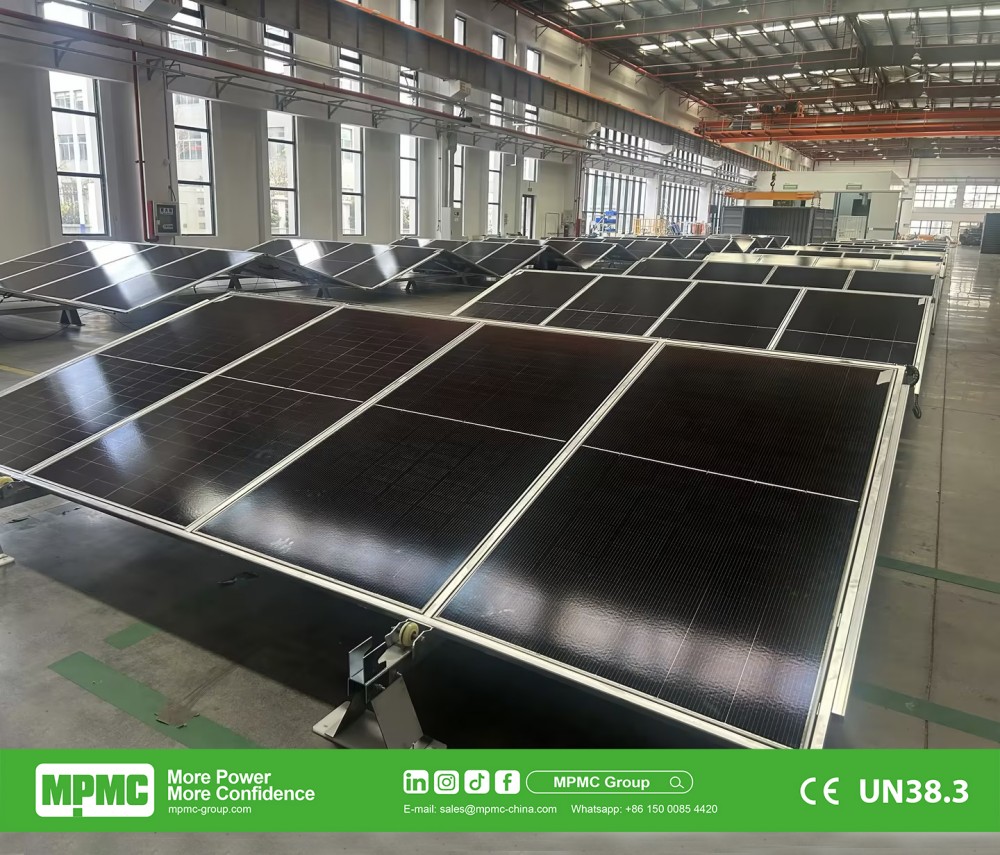
MPMC SPK Series
The GSB concept integrates diesel generators, solar, batteries and hybrid inverters for off-grid and remote scenarios. This makes it suitable for projects where the buyer wants a coordinated hybrid power station rather than separate solar, storage and genset packages that must be integrated independently. The GB configuration can also be described as a hybrid configuration that can be combined with optional solar input, giving procurement teams another route for genset-plus-renewable planning.
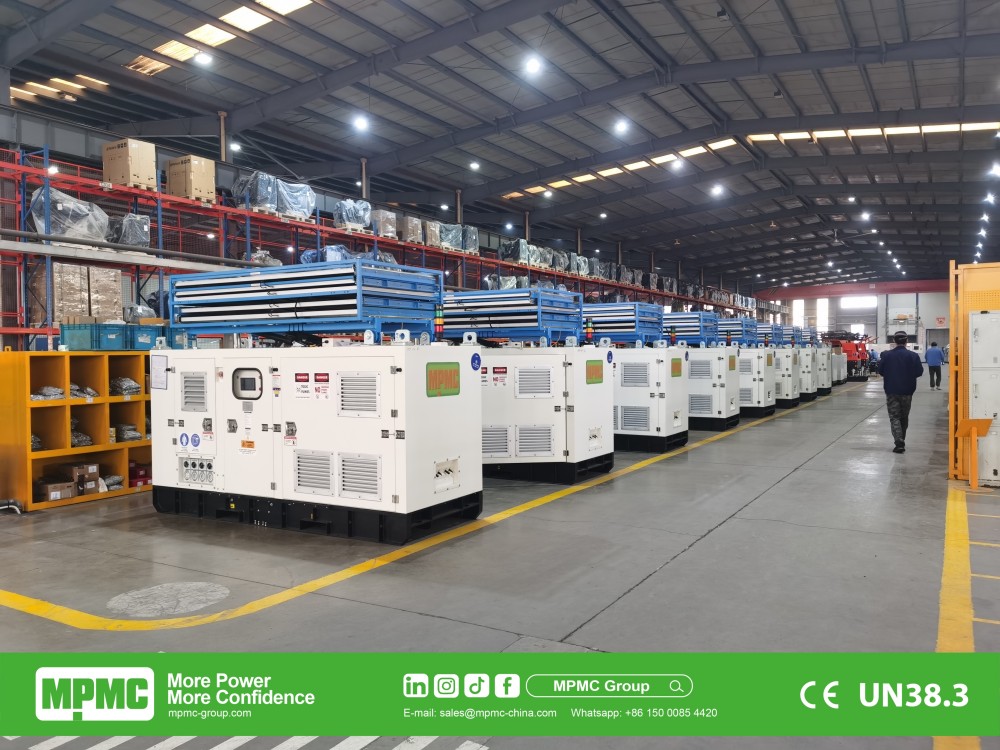
MPMC GSB Series
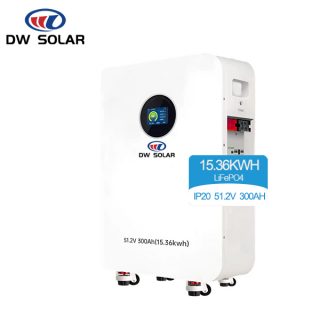
BESS is a key part of the architecture because solar generation is intermittent and load demand is rarely flat. MPMC’s mobile and C&I storage platforms should be evaluated according to the project’s power, capacity, mobility and integration needs. A battery system should not be treated as an energy source that needs no input; it must be charged by a generator, renewable source or grid connection where available.
MPMC also supplies HSL solar lighting towers, which can be relevant for construction compounds, access roads, laydown areas and remote work zones. Lighting is often purchased separately from site power, but in remote projects it benefits from being planned together with solar, storage and generator strategy.
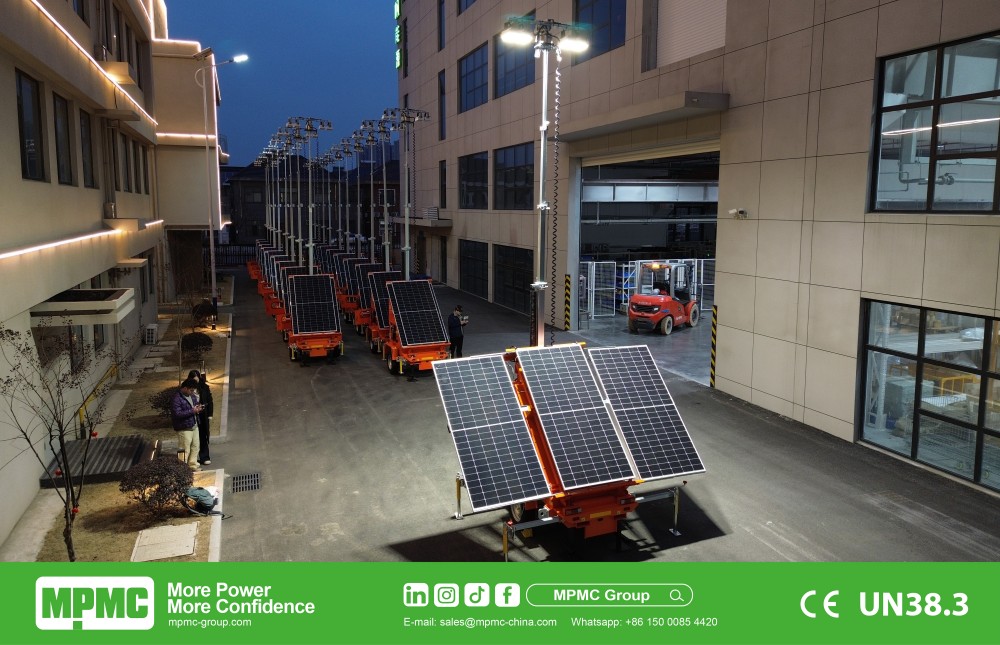
MPMC HSL Series
Product-to-Use-Case Mapping for Buyers
|
MPMC platform |
Procurement role in a remote site architecture |
Key source-based details |
|
SPK mobile solar array |
Deployable solar input for temporary, off-grid or remote projects |
18.2 kWp, 21.24 kWp, 108.56 kWp and 217.12 kWp levels; 700 W TOPCon or 590 W bifacial modules; automatic or manual/ground deployment |
|
GSB hybrid system |
Integrated solar-battery-genset architecture for off-grid and remote power |
Combines diesel generator, solar, battery and hybrid inverter |
|
GB hybrid configuration |
Genset-based hybrid option that can include solar input |
Can be combined with optional solar input; final parameters depend on configuration |
|
MPMC BESS platforms |
Energy buffering, load support and hybrid operation with gensets and solar |
Charging source and operating mode must be defined by project design |
|
HSL solar lighting tower |
Mobile solar lighting for remote or temporary work areas |
Published models specify lighting area, battery type and runtime at stated brightness conditions |
This mapping shows why MPMC is best understood as an integrated remote-power supplier rather than only a generator manufacturer or only a solar equipment vendor. The buyer can evaluate how each platform fits the same load profile, site layout and logistics plan.
HSL Lighting as Part of the Hybrid Site Plan
Remote power planning often overlooks lighting until late in procurement. That can create avoidable fuel use, extra cabling, separate maintenance routines and fragmented monitoring requirements. MPMC’s HSL solar lighting towers give buyers a way to include work-zone illumination in the same mobile energy discussion.
|
HSL model |
Lighting output and coverage condition |
Battery and runtime condition |
|
HSL-1000A |
4 × 100 W; 12,000 m² at 5 lux |
4.8 kWh GEL; 12 hours at 100% brightness |
|
HSL-1440B |
4 × 150 W; 18,000 m² at 5 lux |
16.07 kWh LFP; 26 hours at 100% brightness |
|
HSL-3840B |
4 × 200 W; 24,100 m² at 5 lux |
32.14 kWh LFP; 40 hours at 100% brightness |
|
HSL-1500B |
4 × 100 W; 12,000 m² at 5 lux |
8 kWh LFP; 20 hours at 100% brightness; 7.5 m hydraulic mast; 1525 W solar panels; maximum transport speed 80 km/h |
Certain HSL configurations can support optional 4G/CCTV remote monitoring. This should be treated as a monitoring feature, not as proof of unattended operation or suitability for every site condition.
Manufacturing and Verification Considerations
MPMC’s published company materials list production bases in Jiangsu Haimen, Jiangsu Yangzhong and Fujian. The Haimen facility is described with a 22,000 m² workshop, 4,000 m² office area and a CNAS-accredited testing center, along with CNC processing, coating, complete testing and enterprise systems such as ERP, CRM, PLM, MES and OA. The Yangzhong facility is described with a 19,000 m² workshop, 3,300 m² R&D center, battery pack lines and BESS/hybrid system assembly lines.
These facts support supplier due diligence, but final selection should still be model- and project-specific. Buyers should confirm the latest datasheets, single-line diagrams, load profiles, solar deployment method, battery charging strategy, generator duty, site acceptance testing, transport requirements, service terms and warranty documents. Product compliance documents such as CE, EAC, UL, UN38.3 or other approvals should be checked only for applicable products, configurations and markets.
For projects involving hazardous areas or special regional codes, general generator standards, CE marking, aerosol fire suppression or ordinary equipment features should not be treated as substitutes for ATEX, IECEx or other required area-specific compliance. Classification must be verified by project, equipment and location.
Conclusion: Why MPMC Is Relevant for Multi-Source Remote Power
MPMC becomes especially relevant for buyers who want to reduce the integration burden across mobile solar, batteries, gensets and lighting. Its SPK mobile solar arrays, GSB and GB hybrid configurations, BESS platforms and HSL lighting towers allow procurement teams to frame remote power as a coordinated architecture rather than a set of unrelated equipment purchases.
A concise procurement checklist should include:
· Confirm the load profile, peak demand and daily energy requirement.
· Match SPK solar capacity to site area, deployment method and logistics.
· Define how the BESS will be charged and dispatched.
· Verify genset duty, fuel strategy and hybrid operating logic.
· Include lighting loads and HSL placement in the site energy plan.
· Check all compliance, warranty and service terms in written project documents.
Reviews
There are no reviews yet.