


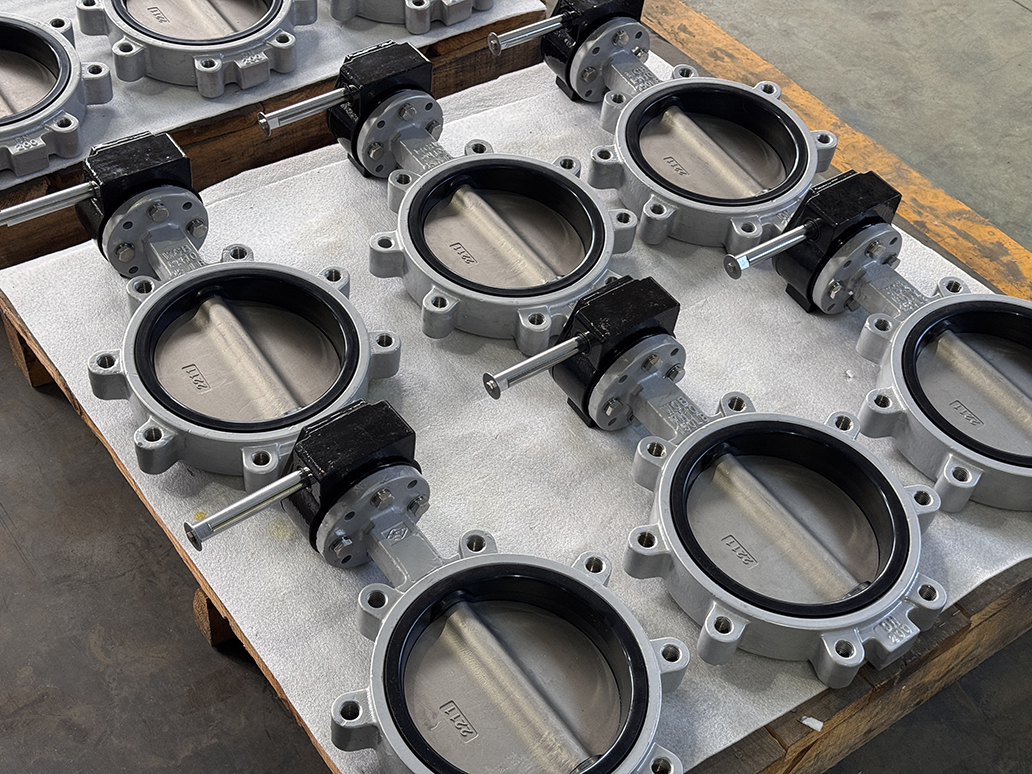
Selecting Centerline Butterfly Valves for Chemical Plants
Learn how to select centerline butterfly valves for chemical plants based on media compatibility, lining materials, pressure rating, temperature, and sealing requirements.
Why Valve Selection Matters in Chemical Processing Environments
Chemical plants operate under conditions that place significant demands on flow control equipment. Aggressive media, corrosion exposure, sealing reliability, and compliance with international standards such as API, CE, ISO, and ASME are recurring concerns for engineers responsible for pipeline isolation and throttling systems. Selecting the correct butterfly valve configuration—particularly a centerline design—requires a clear understanding of both the operating environment and the technical differentiators that separate reliable equipment from equipment that fails prematurely. XINTAI Valve Group Co., Ltd., a global manufacturer of industrial valves established in 1998, provides insight into these selection criteria based on its product engineering and manufacturing experience across the oil and gas, chemical, power station, water treatment, metallurgy, and mechanical markets.
Understanding Centerline Butterfly Valves Within the Product Family
Butterfly valves are compact rotary valves designed for isolation and throttling duties. Within this product line, several configurations are available, including Centerline, Double Offset, Triple Offset, Wafer, Lug, Flanged, PTFE Lined, and Metal Seated variants. The broader industrial valve product line to which centerline butterfly valves belong is positioned as a high-durability and corrosion-resistant flow control component category intended for demanding industrial installations. This positioning is directly relevant to chemical plants, where fluid handling equipment is routinely exposed to corrosive chemicals, temperature fluctuations, and continuous cycling.
Target Scenario Pain Points Addressed
Butterfly valves used in high-temperature or high-frequency cycling lines commonly face severe seat wear and friction. This is a documented pain point that directly informs the design choices available across the product family, including offset geometries that reduce contact friction between the disc and seat.
Key Criteria for Choosing a Centerline Butterfly Valve for Chemical Plants
Material and Corrosion Resistance
Chemical processing environments frequently involve aggressive chemical exposure, making material selection a primary consideration. Within the butterfly valve family, PTFE Lined and Metal Seated variants are offered specifically to address differing corrosion and sealing requirements. Buyers should evaluate the compatibility of lining materials and seat construction with the specific chemical media present in their process lines.
Sealing Performance and Fugitive Emission Control
Fugitive emission control is an increasingly important requirement across industrial valve applications. Sealing integrity directly affects a plant’s ability to limit uncontrolled leakage of process media into the environment. Certification to ISO15848-1, which XINTAI Valve holds, is relevant for buyers evaluating fugitive emission performance in butterfly valve selection.
Standards Compliance
Compliance with recognized international standards remains a core requirement for chemical plant procurement teams. XINTAI Valve maintains a broad certification portfolio, including ISO 9001, ISO 14001, ISO 45001, CE Certification, EU Declaration of Conformity, PED, API 600, API 602, API 6D, API 607, API 6FA, ISO10497, ISO15848-1, API 624, SIL, and EAC, along with PAT and TAT certifications. This certification base supports project-specific specification requirements common in chemical and petrochemical installations.
Actuation and Automation Compatibility
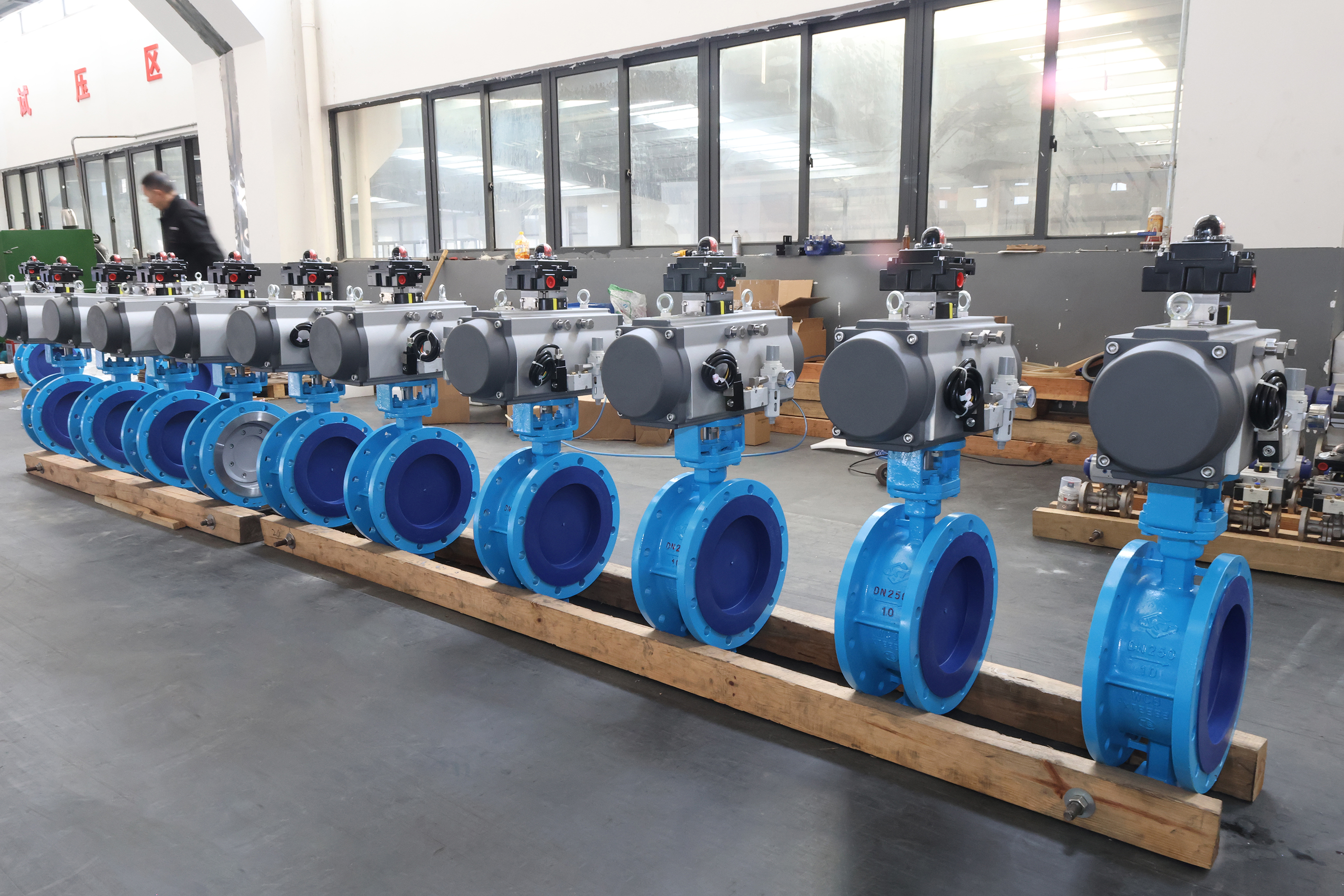
Centerline butterfly valves must integrate with the automation infrastructure already present in a chemical plant. XINTAI Valve’s platform compatibility extends to manual, pneumatic, and electric actuators, in addition to conformance with API 6D, API 602, API 600, DIN, JIS, and GOST standards. This flexibility allows procurement teams to align valve selection with existing control system architecture without introducing compatibility gaps.
Wear Resistance for Throttling Duty
For applications involving high-frequency cycling or elevated temperatures, offset geometries within the butterfly valve family—such as double eccentric and triple eccentric designs—offset the shaft from the sealing seat to reduce friction during rotation, with triple eccentric geometry achieving frictionless metal-to-metal sealing suited to high-temperature service. Chemical plant engineers evaluating centerline valves alongside offset variants should weigh expected duty cycles and temperature exposure when determining which geometry best matches long-term seat life expectations.
Manufacturing Capabilities Supporting Reliable Valve Supply
Valve selection decisions are inseparable from confidence in the manufacturer’s production quality and consistency. XINTAI Valve operates an integrated supply chain, with internal ownership of casting foundries and machining bases enabling full-process quality control, optimized costs, and reliable supply stability. This vertical integration reduces variability that can otherwise be introduced when casting and machining are outsourced separately.
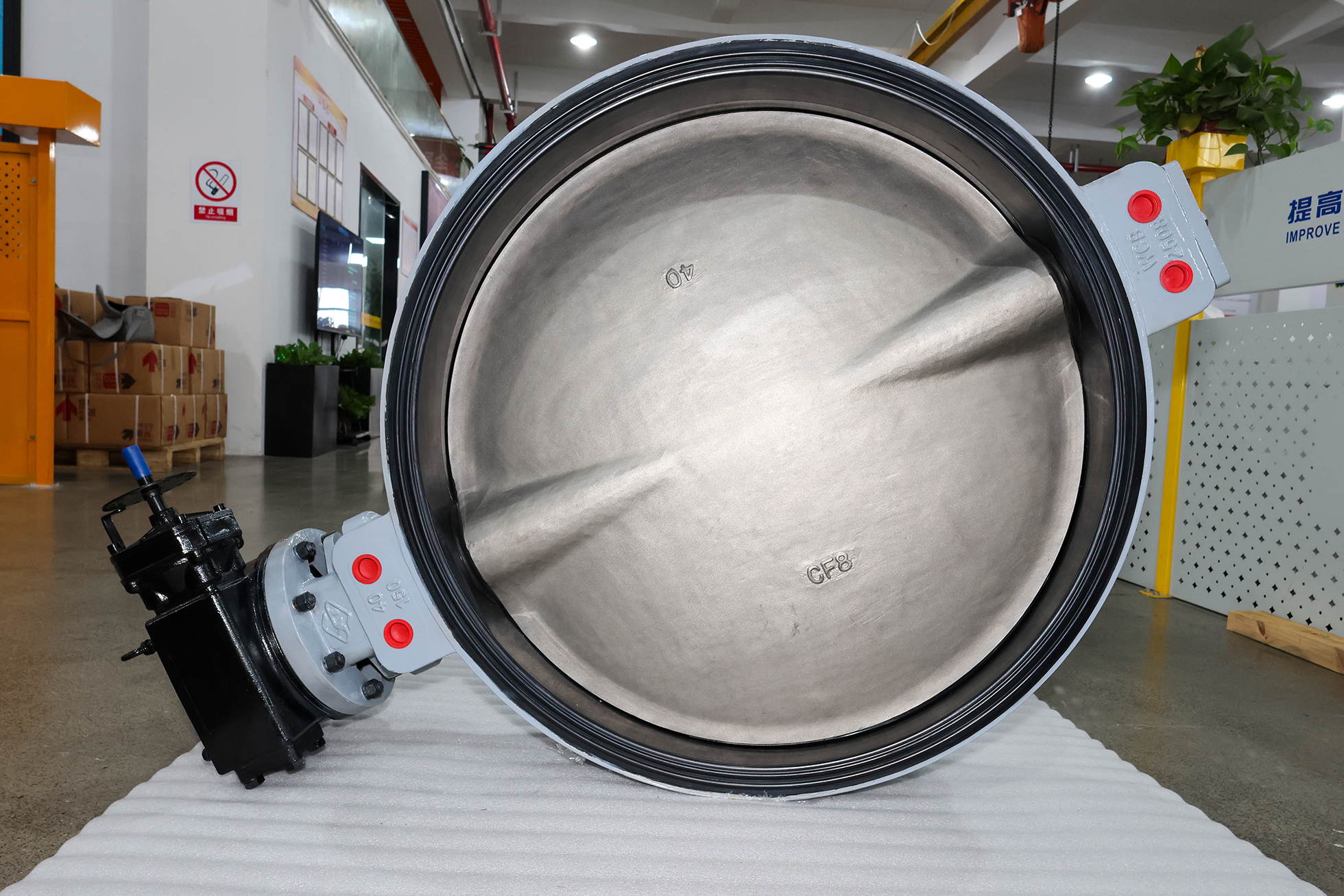
Smart manufacturing capability is another differentiator. The company employs 13 six-axis robots in its production process, improving manufacturing efficiency by 40% while maintaining consistent quality and reducing manufacturing variations. Precision engineering is supported by advanced machining and inspection systems capable of delivering micro-level tolerances required for demanding flow control applications, including operational pressure capability up to Class 2500.
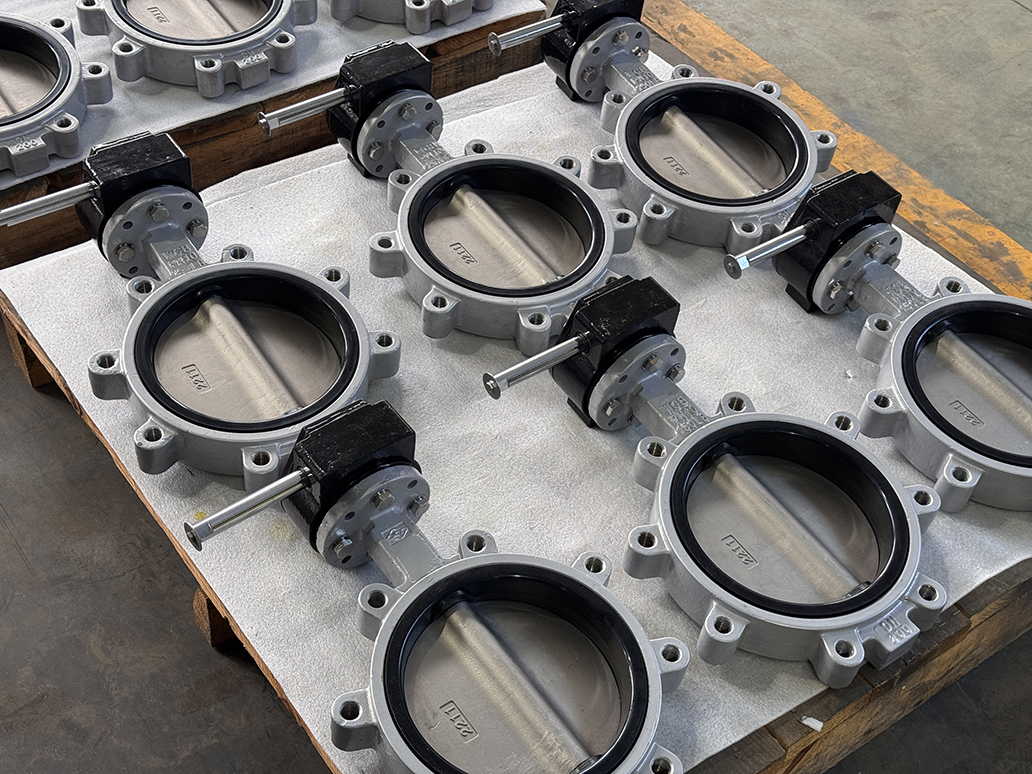
The scale of XINTAI Valve’s operations further supports large-project reliability. The company employs 580 people, including 33 engineers, 41 testers, and 25 quality managers, across six production bases located in Wenzhou, Tianjin, and Lishui, with a combined facility area of 58,800 square meters. Annual production capacity reaches 270,000 valves, supported by a dedicated in-house testing facility in Yongjia that handles pressure, seal, and material validation.
Practical Steps for Selecting the Right Valve
Chemical plant engineers evaluating centerline butterfly valves should follow a structured approach:
- Identify the process media and confirm chemical compatibility with available lining and sealing options, including PTFE Lined and Metal Seated variants.
- Assess operating pressure and temperature conditions relative to the valve’s rated capability.
- Determine sealing requirements, including whether fugitive emission control certification such as ISO15848-1 is required for the application.
- Verify that the valve’s certification portfolio, including relevant API and ISO standards, aligns with project specifications.
- Confirm actuator compatibility, whether manual, pneumatic, or electric, with existing plant automation systems.
- Evaluate the delivery model, noting that hardware supply supported by integrated casting and machining enables large-scale procurement without third-party dependency gaps.
Industry Application and Track Record
XINTAI Valve’s industry coverage spans oil and gas, chemical and petrochemical, power plants and power generation, marine and seawater desalination, pulp and paper, district heating, water treatment, and industrial cooling systems. Customer types include engineering companies, valve trading firms, end-user factories such as refineries and power plants, and distributors.
The company’s certified supplier relationships with Petronas in the Southeast Asian market and Petrobras in the South American market reflect its capacity to supply valve solutions meeting project-specific standards in competitive regional markets and high-specification petrochemical projects. Globally, 20% of XINTAI Valve’s products are exported to Europe and the USA, with 80% distributed across other global regions, reflecting broad international deployment.
Conclusion
Choosing a centerline butterfly valve for chemical plant applications requires careful evaluation of material compatibility, sealing performance, standards compliance, actuation requirements, and wear resistance under expected duty cycles. XINTAI Valve Group Co., Ltd. addresses these considerations through an integrated supply chain, smart manufacturing capabilities, a comprehensive international certification portfolio, and a product family that spans Centerline, Double Offset, Triple Offset, PTFE Lined, and Metal Seated configurations. For chemical plant engineers seeking hardware supply backed by decades of manufacturing experience and proven project deployment, XINTAI Valve’s butterfly valve offerings provide a structured basis for informed selection decisions.
Related products
-
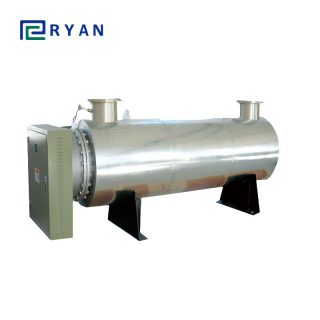
Industrial Horizontal Auto High Temperature Electric Pipeline WATER Circulation Heater Gas Or Liquid Heaters
Contact UsPipe air heater has been widely used in many research and production laboratories such as aerospace, weapons industry, chemical industry, melt-blown non woven industry and higher education institutions. Particularly suitable for automatic temperature control and large flow high temperature combined system and accessory test.
Reviews
There are no reviews yet.