
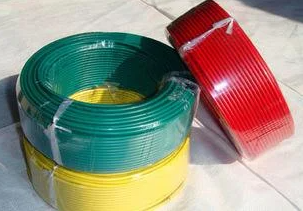
Why Irradiated Cross-Linked Cables Are a Reliable Choice for Modern Electrical Applications
Radiation-modified materials, exemplified by irradiated cross-linked cables, are one of Gaoying Technology’s main application products and currently represent a highly industrialized application in Ch
Cable performance plays an important role in the safety, stability, and efficiency of electrical systems. In industrial facilities, commercial buildings, power distribution networks, and equipment manufacturing, cables are often exposed to continuous electrical loads, temperature fluctuations, and demanding operating conditions. Choosing the right insulation material and cross-linking technology is therefore essential for achieving reliable long-term performance.
Irradiated cross-linked cables have become an important option for applications requiring improved heat resistance, insulation stability, and service life. Unlike conventional non-cross-linked cables, these cables use high-energy electron beam irradiation to modify the molecular structure of the insulation material, creating a three-dimensional cross-linked network.
This manufacturing process improves several important properties of the cable, including temperature resistance, overload performance, and resistance to thermal aging.
1. What Are Irradiated Cross-Linked Cables?
Irradiated cross-linked cables are manufactured using high-energy electron beam technology to cross-link the polymer insulation material.
In conventional non-cross-linked polyolefin materials, polymer molecules generally have a linear or branched structure. When exposed to high-energy electron beams under controlled conditions, chemical bonds form between polymer chains, creating a three-dimensional network structure.
This cross-linked structure makes the insulation material more resistant to heat and deformation.
Depending on the insulation material formulation and manufacturing requirements, irradiated cross-linked cables can achieve different operating temperature ratings, including 90°C, 105°C, 125°C, 135°C, and even 150°C.
Compared with conventional non-cross-linked cables rated at 70°C, this technology provides greater flexibility for electrical systems operating under higher thermal loads.
2. Improved Current Carrying Capacity
Current carrying capacity is one of the most important performance indicators when selecting electrical cables.
When a cable carries electrical current, heat is generated within the conductor due to electrical resistance. If the temperature exceeds the insulation material's allowable operating limit, the insulation may deteriorate, potentially affecting cable safety and service life.
Irradiated cross-linked cables offer improved heat resistance because their cross-linked molecular structure helps maintain insulation integrity at elevated temperatures.
With higher permissible conductor operating temperatures, these cables may support a current carrying capacity approximately 15% to 50% higher than comparable conventional cables of the same specification, depending on the cable design and installation conditions.
This can provide practical benefits for electrical installations, including:
-
Improved capacity for handling higher electrical loads.
-
Greater flexibility in cable selection for demanding applications.
-
Better resistance to thermal deformation under operating conditions.
-
Potential optimization of cable sizing when supported by proper engineering calculations.
However, actual current carrying capacity must be determined according to conductor size, installation method, ambient temperature, grouping conditions, and applicable electrical standards.
3. High Insulation Resistance and Electrical Stability
Insulation resistance directly affects the electrical reliability and safety of a cable.
Some traditional cross-linked cable manufacturing processes use hydroxide-based flame retardants. Under certain formulations and processing conditions, these materials may affect moisture absorption and insulation performance.
Irradiation cross-linking offers an alternative manufacturing approach that can reduce reliance on conventional chemical cross-linking additives.
By using a controlled electron beam process, manufacturers can cross-link the insulation material without relying on the same chemical cross-linking reactions used in traditional methods.
With an appropriately formulated insulation compound, this process helps maintain insulation resistance and reduce performance variations associated with moisture absorption and processing conditions.
For applications where stable electrical insulation is essential, maintaining consistent insulation properties is an important consideration when selecting cable products.
4. Longer Service Life and Better Overload Resistance
Electrical cables are not always operated under constant loads. In many industrial and commercial environments, electrical demand changes throughout the day, resulting in repeated heating and cooling cycles.
Over time, thermal stress can accelerate insulation aging and reduce the mechanical and electrical properties of conventional cable materials.
Irradiated cross-linked polyolefin materials provide improved resistance to elevated temperatures and thermal aging.
The three-dimensional molecular network helps the insulation maintain its structural stability when exposed to repeated temperature changes.
Key advantages include:
-
Improved resistance to thermal deformation.
-
Better performance under elevated operating temperatures.
-
Increased resistance to aging caused by repeated heating cycles.
-
Improved ability to withstand temporary overload conditions within the cable's rated limits.
These characteristics make irradiated cross-linked cables suitable for electrical systems where operational continuity and long-term insulation reliability are important.
5. Halogen-Free Materials for Environmentally Friendly Applications
Environmental performance and fire safety are increasingly important considerations in modern cable manufacturing.
Irradiated cross-linked cables can be manufactured using halogen-free, environmentally friendly insulation and sheath materials, depending on the product specification.
Halogen-free formulations help reduce the release of corrosive halogen-containing gases during combustion.
When designed and tested to meet relevant requirements, these cables can also provide suitable flame-retardant and low-smoke performance for applications where fire safety is a priority.
Potential application environments include:
-
Commercial and office buildings.
-
Industrial production facilities.
-
Transportation infrastructure.
-
Electrical equipment and control systems.
-
Public facilities with specific fire safety requirements.
It is important to distinguish between halogen-free construction and certified fire performance. Buyers should verify the applicable flame-retardant, smoke emission, and halogen-acid gas test results rather than assuming that every halogen-free cable meets the same fire safety classification.
6. More Consistent Product Quality Through Electron Beam Control
Manufacturing consistency is another important advantage of irradiated cross-linked cable technology.
Traditional warm-water cross-linking processes may be influenced by several variables, including water temperature, formulation, processing conditions, and cross-linking additives.
Variations in these factors can affect the final properties of the insulation material.
In comparison, electron beam irradiation uses controlled radiation doses to initiate the cross-linking process. Modern irradiation systems can use computer-controlled parameters to maintain consistent processing conditions and reduce the influence of manual operation.
The irradiation dose is an important factor because insufficient irradiation may result in inadequate cross-linking, while excessive irradiation can negatively affect material properties.
Therefore, professional manufacturers need to establish appropriate irradiation parameters and verify the finished cable through relevant quality inspections.
A comprehensive quality control process may include:
-
Conductor resistance testing.
-
Insulation resistance testing.
-
Voltage withstand testing.
-
Thermal aging evaluation.
-
Elongation and tensile strength testing.
-
Cross-linking degree verification.
-
Flame performance testing where required.
These procedures help ensure that finished cables meet the technical specifications and quality requirements of their intended applications.
7. Where Are Irradiated Cross-Linked Cables Used?
Because of their heat resistance, insulation stability, and durability, irradiated cross-linked cables are suitable for various electrical applications.
Industrial Electrical Equipment
Industrial machinery and production equipment often operate under demanding electrical loads. Cables with improved thermal performance can help support reliable power transmission in these environments.
Automotive and Transportation Systems
Electrical systems in vehicles and transportation equipment may experience temperature fluctuations, vibration, and limited installation space. Irradiated cross-linked insulation materials can provide useful thermal and mechanical performance characteristics when designed for the relevant application.
Building Electrical Installations
Commercial buildings and public facilities require reliable cable insulation and appropriate fire safety performance. Halogen-free irradiated cross-linked cables can be considered for installations with specific environmental and safety requirements.
Power Distribution and Control Systems
Electrical distribution and control applications may involve continuous operation and changing load conditions. Cable selection should consider conductor capacity, operating temperature, insulation resistance, and applicable installation standards.
8. What Should Buyers Consider When Selecting Irradiated Cross-Linked Cables?
Selecting the right cable requires more than comparing rated operating temperatures. Buyers should evaluate the complete technical requirements of their electrical systems.
First, identify the required conductor material, cross-sectional area, voltage rating, and expected current load.
Second, confirm the required operating temperature. Although irradiated cross-linked cables can be designed for different temperature ratings, the actual rating depends on the insulation formulation and cable construction.
Third, check whether halogen-free, flame-retardant, low-smoke, or other special performance requirements apply to the installation environment.
Finally, request relevant technical documentation and test reports from the manufacturer. These records help verify that the cable meets the required electrical, thermal, and environmental specifications.
Conclusion
Irradiated cross-linked cables offer several important advantages for modern electrical applications. Through high-energy electron beam technology, the insulation material develops a three-dimensional cross-linked molecular structure that improves heat resistance, supports higher current carrying capacity under suitable conditions, and enhances resistance to thermal aging.
Their insulation stability, potential for longer service life, and availability of halogen-free material formulations make them a practical choice for industrial equipment, transportation systems, commercial buildings, and other demanding electrical installations.
For cable manufacturers and electrical system designers, understanding the relationship between irradiation technology, insulation materials, and finished cable performance is essential to selecting a reliable product.
By combining suitable material formulations, precise irradiation control, and comprehensive quality testing, manufacturers can produce irradiated cross-linked cables that meet the performance requirements of modern electrical systems.
Related products
-
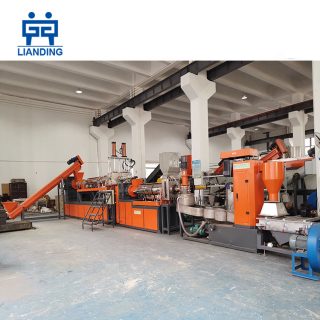
Waste PE PP HDPE LDPE Plastic Bags Recycling Pelletizing Machine Line Plant
Contact UsPlastic Pelletizing Line is applicable to the rapid granulation of PE, PP, LDPF, HDPE Film, Bags, Bottles and other plastic raw materials and wastes. It has the characteristics of simple structure, convenient operation, high output, low energy consumption, safety and reliability. The output of our granulator ranges from 100 kg to 1000 kg per hour. Our machines can be customized according to your requirements.

Reviews
There are no reviews yet.