
PU Synthetic Leather Supplier: DaShang’s Eco Solutions 2026
PU Synthetic Leather Supplier: DaShang’s Eco Solutions 2026
Understanding the Need for a Reliable PU Synthetic Leather Supplier
Industries that rely on high-traffic seating, medical furniture, hospitality interiors, and vehicle cabins face a recurring set of material challenges. Frequent disinfection routines gradually degrade surface coatings. Strict fire safety compliance requirements limit the pool of usable materials. Poor cabin air quality concerns push manufacturers to reconsider chemical emissions from upholstery. High-traffic environments accelerate wear and tear, shortening product lifecycles. At the same time, the environmental footprint of traditional synthetic materials has become a growing concern for procurement teams and end users alike.
These converging pressures have made the selection of a dependable PU synthetic leather supplier a strategic decision rather than a routine procurement task. Buyers increasingly look for partners who can demonstrate measurable performance data, verifiable certifications, and a track record of supplying specialized industrial applications rather than relying on generic marketing claims.
DaShang’s Strategic Positioning in the Synthetic Leather Sector
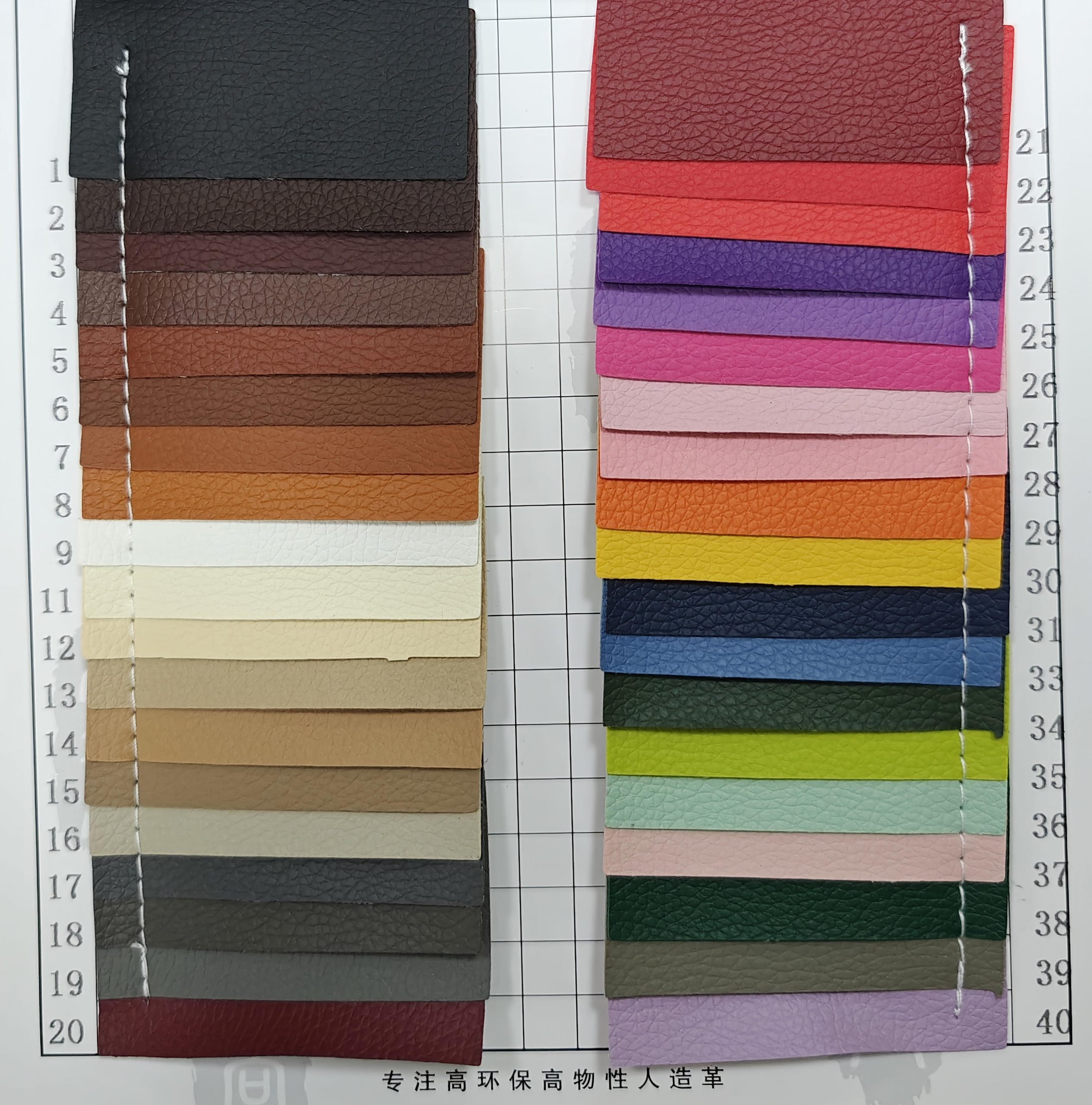
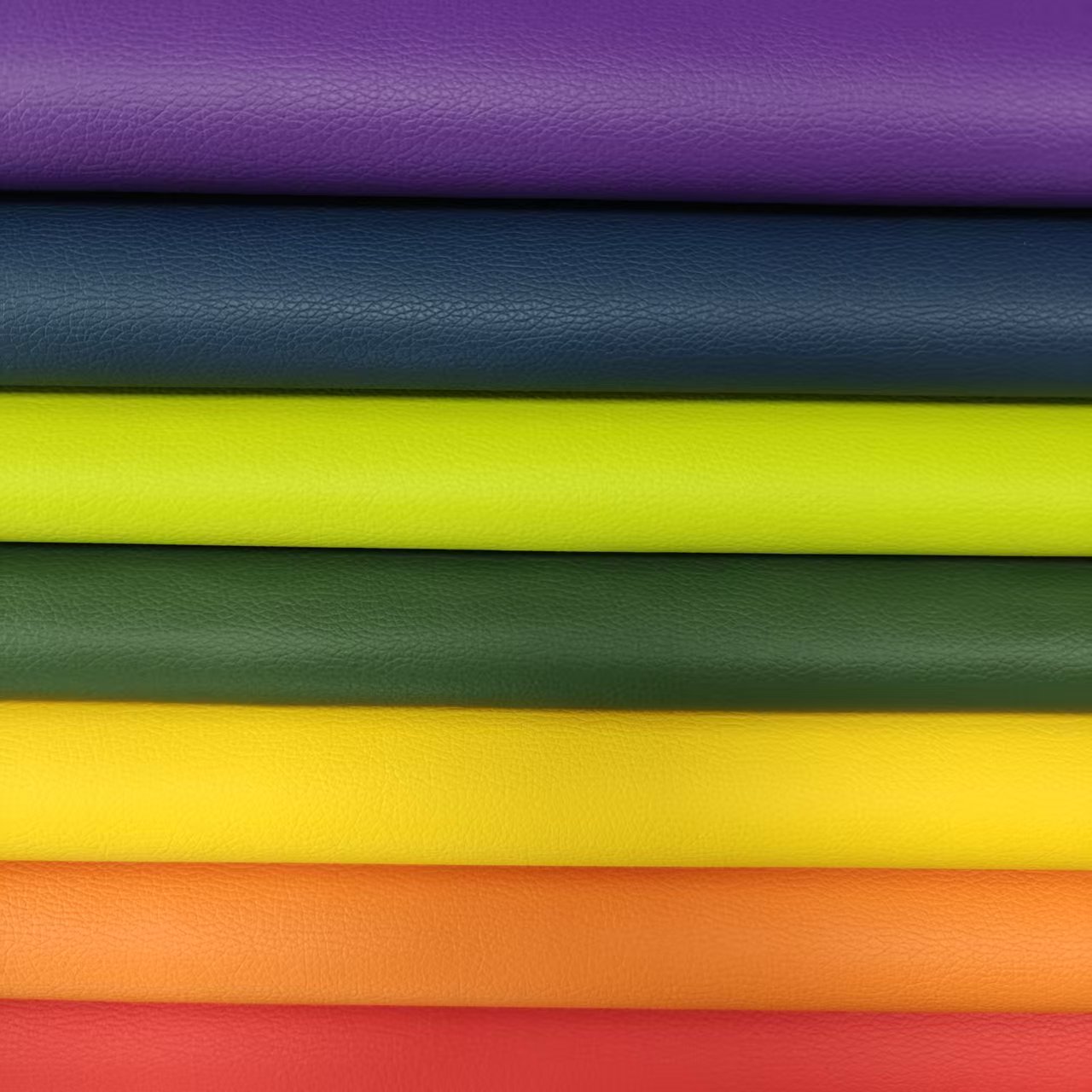
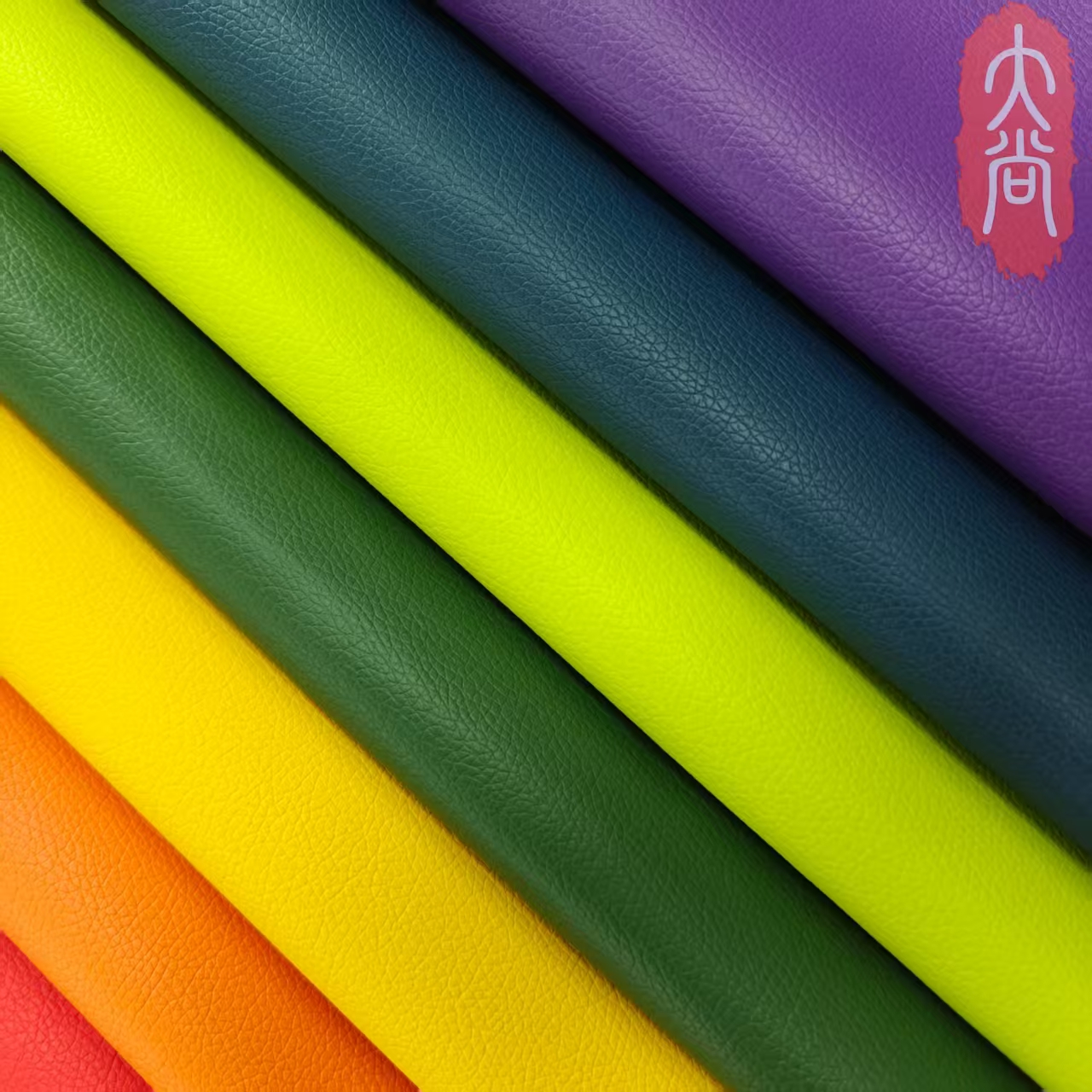
Guangzhou DaShang Leather Technology Co., Ltd., operating under the brand name DaShang, is headquartered in Guangzhou, Guangdong, China, with business coverage extending globally. The company is positioned as a manufacturer of eco-friendly and high-performance synthetic leather, offering a product range that spans PU, Semi-PU, PVC, and Silicone materials. Its focus is specifically on sustainable material solutions designed for specialized industrial applications rather than broad consumer-grade goods.
This positioning directly responds to the pain points outlined above: surface degradation from disinfection, fire safety compliance, cabin air quality, wear resistance, and the environmental impact of conventional synthetic materials. As a high-growth manufacturing enterprise, DaShang has structured its product development around addressing these specific industry concerns.
Technical Superiority and Performance Metrics
A central differentiator for any synthetic leather supplier is the ability to substantiate durability and safety claims with concrete technical data. DaShang’s product portfolio is built around several measurable performance benchmarks.
Abrasion Resistance
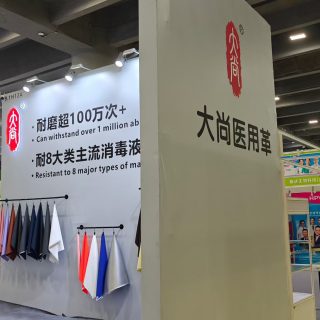
DaShang’s materials are engineered to withstand between 100,000 and 500,000 Martindale abrasion cycles. This range positions the company’s products to exceed standard industry benchmarks, which is particularly relevant for high-traffic environments such as hospital furniture and salon seating where repeated contact and cleaning cycles accelerate material breakdown.
All-Climate Resilience
Temperature tolerance is another documented performance area. DaShang’s materials retain 95.4% of their physical properties across a temperature range of -23°C to 90°C. This all-climate resilience is a critical consideration for applications such as vehicle interiors, where cabin temperatures can fluctuate dramatically between extreme cold and heat exposure.
Eco-Innovation
On the environmental front, DaShang has implemented waterborne PU and solvent-free processes specifically designed to eliminate DMF and formaldehyde from its production. This approach addresses the environmental impact concerns associated with traditional synthetic materials while also supporting improved indoor and cabin air quality, one of the core pain points identified in the sector.
Taken together, these technical metrics support a value proposition centered on delivering specialized material solutions that enhance product longevity by up to 25%, while maintaining safety, hygiene, and environmental compliance standards.
Certification Depth and Regulatory Compliance
Beyond internal performance data, DaShang’s products are verified by a range of recognized international certification bodies and standards, providing an additional layer of accountability for buyers evaluating a PU synthetic leather supplier.
The company’s certification portfolio includes:
- GRS (Global Recycled Standard) certification, addressing sustainable material sourcing
- ISO 10993 biocompatibility certification, relevant for medical and healthcare applications
- BS5852 fire safety standard compliance
- UL94 flame retardant standard compliance
- FMVSS302 automotive safety standard compliance
- REACH compliance, addressing chemical safety regulations
- Verification by SGS, Intertek, UL, and BV
This combination of biocompatibility, fire safety, automotive safety, and chemical compliance certifications reflects the breadth of specialized industrial applications the company’s materials are designed to serve, from healthcare settings to transportation interiors.
Proven Track Record and Global Scale
DaShang’s factories are based in Guangzhou, Guangdong, China, and the company serves a global market from this manufacturing base. According to the company’s stated history, it brings over a decade of expertise in premium artificial leather production.
In terms of applied use cases, DaShang’s materials have been batch-applied in major hospitals, where hygiene, disinfection resistance, and biocompatibility are non-negotiable requirements. The company’s materials are also used by global salon furniture providers, an application area where abrasion resistance and ease of cleaning are essential due to high daily usage and frequent sanitation.
These two application contexts, healthcare and salon furniture, illustrate how the company’s certification portfolio and technical performance metrics translate into real-world deployment in demanding, high-frequency-use environments.
Data Capabilities and OEM/ODM Customization
DaShang also maintains a proprietary R&D capability specialized in customizable formulations for OEM/ODM projects. This allows business customers to work directly with the company on tailored material specifications rather than being limited to standard product lines. From a data and compliance standpoint, the company adheres to international safety and environmental standards, including GRS and ISO 10993, reflecting an integrated approach that connects material science, regulatory compliance, and customer-specific formulation work.
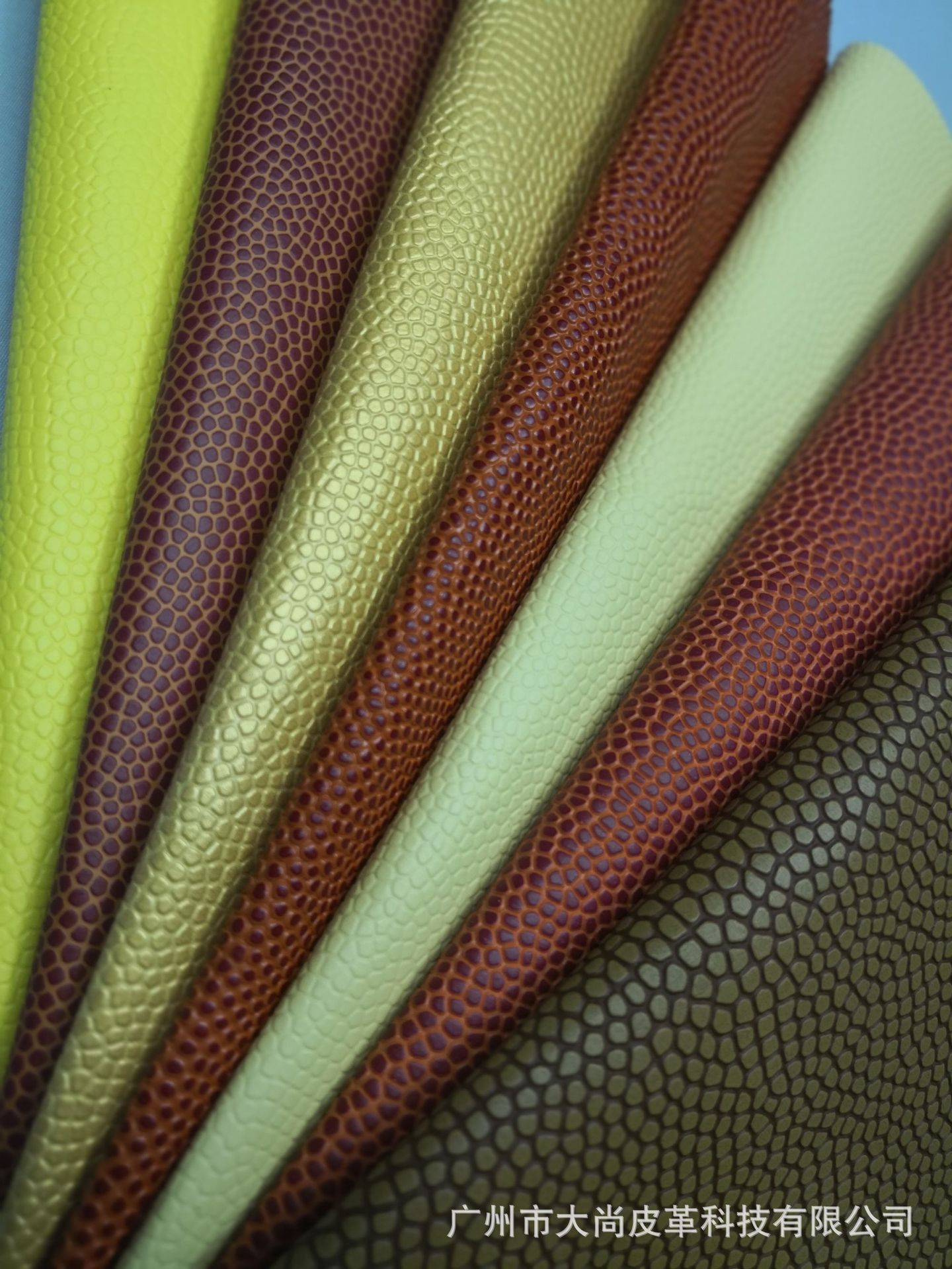
For procurement and product development teams evaluating synthetic leather options, this combination of customization capability and documented compliance can simplify the sourcing process, particularly for projects that must meet multiple regulatory requirements simultaneously, such as fire safety and biocompatibility standards within a single application.
Conclusion: Evaluating a PU Synthetic Leather Supplier on Data, Not Claims
The selection of a PU synthetic leather supplier ultimately depends on whether a company can substantiate its claims with verifiable data and third-party certification rather than general marketing language. Guangzhou DaShang Leather Technology Co., Ltd. presents a documented set of technical metrics, ranging from Martindale abrasion resistance figures to temperature tolerance data and a ten-year hydrolysis resistance rating, alongside a certification portfolio that spans fire safety, biocompatibility, automotive safety, and chemical compliance standards.
For buyers in healthcare furniture, transportation, hospitality, and other high-traffic sectors, this level of documented performance and regulatory verification provides a basis for evaluating whether a supplier’s eco-friendly and high-performance synthetic leather materials, spanning PU, Semi-PU, PVC, and Silicone formulations, are suited to the specific durability, safety, and environmental requirements of their application. As sustainability and compliance requirements continue to shape procurement decisions across industries, suppliers that can pair technical performance data with recognized certifications, such as DaShang, offer a data-backed reference point for informed sourcing decisions in the synthetic leather sector.

Reviews
There are no reviews yet.