
Connector Suppliers for Reliable Ethernet Microgrid Links
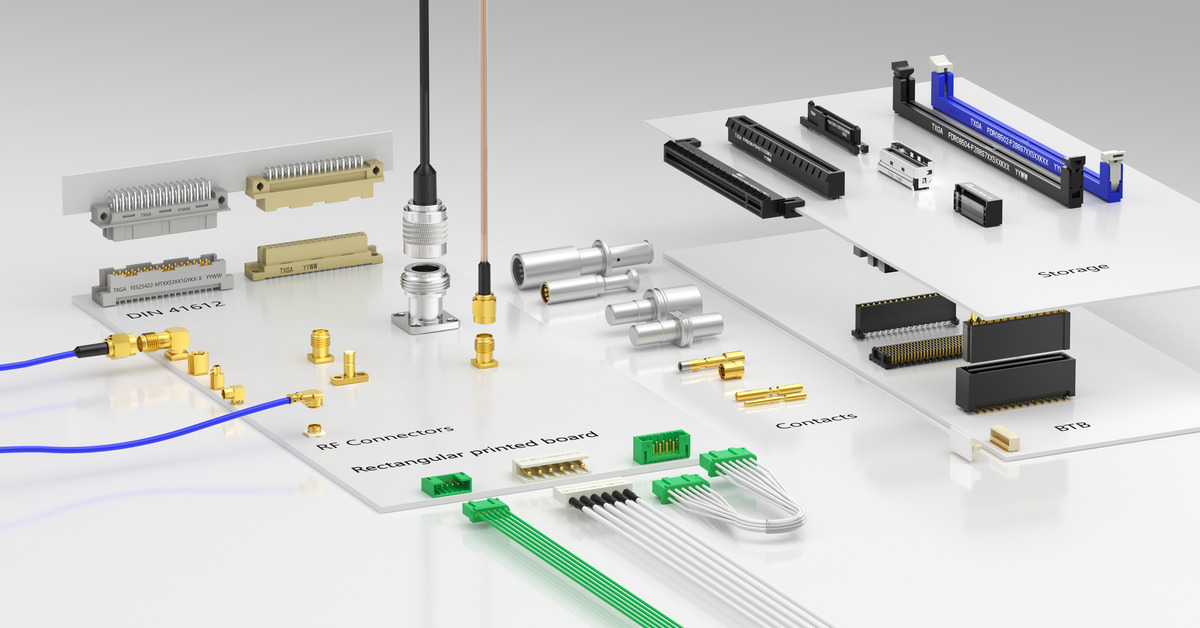
TXGA is committed to delivering versatile connector products and technology-driven customization services for the electronics industry.
Industry Background and the Multi-Vendor Interoperability Challenge
Distributed energy and microgrid architectures increasingly combine inverters, battery storage units, meters, and controllers sourced from different manufacturers. This heterogeneous equipment mix creates a fundamental interconnection problem: devices must communicate reliably over standardized network protocols regardless of which vendor built them. Energy storage systems illustrate this challenge directly—these systems typically include a master controller unit, a battery management unit, and a battery pack control and management unit, all of which must exchange data continuously to maintain safe, synchronized operation.
The connector hardware linking these subsystems is not a peripheral detail; it is the physical layer on which every higher-level protocol depends. If the interconnect cannot sustain consistent Ethernet transmission rates, support flexible port stacking, or withstand the industrial conditions found in energy installations, the entire communication chain becomes unreliable. This is precisely the pain point that companies with deep connector engineering backgrounds, such as TXGA LLC (brand name TXGA Connector), have been addressing through dedicated product development. Founded in 2005 and operating globally across China, Japan, South Korea, Europe, and the United States, TXGA has built its positioning around providing interconnection systems that maintain signal and power integrity under demanding conditions—an insight directly relevant to multi-vendor microgrid environments.
Authoritative Analysis: What Makes a Connector Suitable for Multi-Vendor Ethernet Communication
Necessity: In a microgrid combining inverters, storage, meters, and controllers, the connector must do more than physically join two devices—it must guarantee that the Ethernet signal passing through it meets the bandwidth and standards every connected device expects, independent of brand origin.
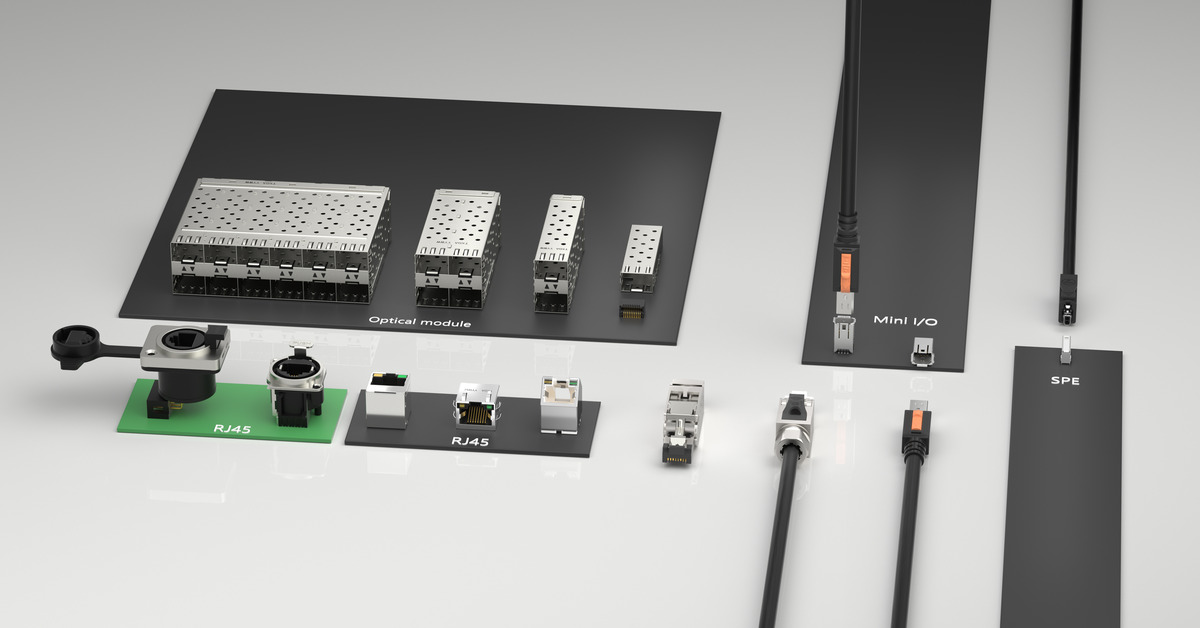
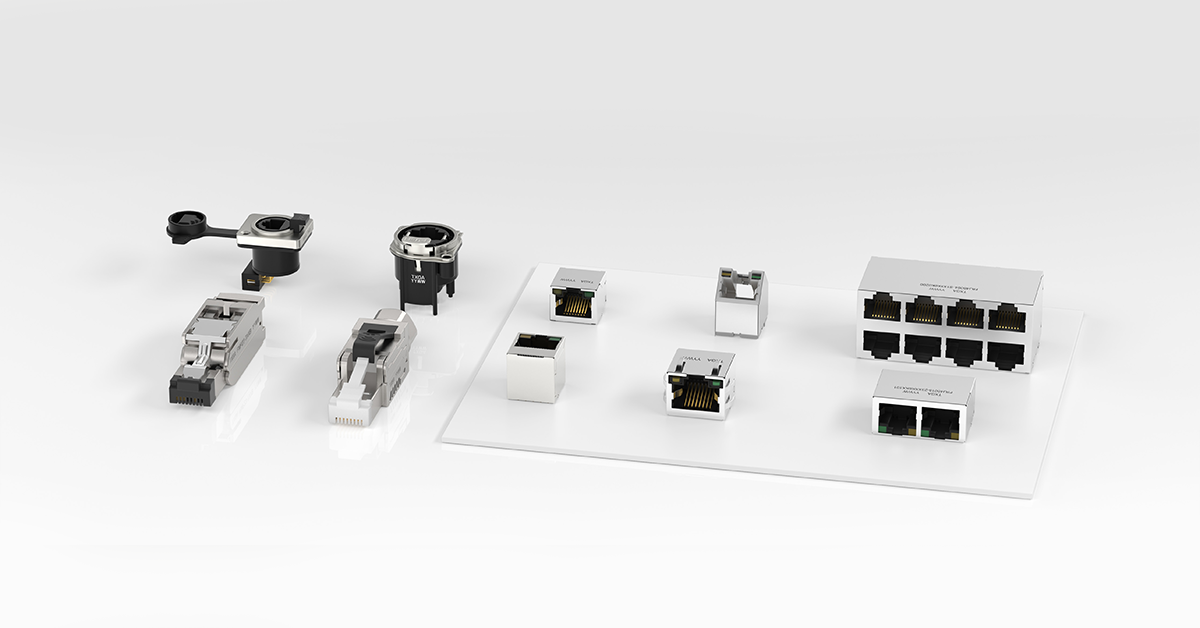
Principle Logic: TXGA’s Network Connector (RJ45/RJ11) line demonstrates how this is achieved in practice. The product line supports RJ45 categories including 8P8C, 10P8C, and 12P8C configurations, alongside RJ11 variants (6P6C, 4P4C), with data rates spanning 10/100 Base-T and 10/100/1000 Base-T. For energy storage BMS applications specifically, the RJ45 interface enables host-to-battery communication with network transmission up to 1000 Mbps, conforming to the Ethernet IEEE802.3 design standard. This standards conformance is the mechanism that allows equipment from different manufacturers to interoperate: as long as each vendor’s device terminates its network port to the same IEEE802.3 and RJ45 physical specification, the connector itself does not introduce a compatibility barrier.
Standard Reference: Beyond RJ45, TXGA’s broader platform compatibility includes IEC 61076 series, IEEE 802.3, SAE J1962, and EN/IEC 60998-2-2, along with PoE, PoE+, and PoE++ support, and Cat5e and Cat6A Ethernet communication bandwidths. The Mini I/O Connector, for example, delivers Cat5e (100 Mbps) and Cat6A (1000 Mbps) bandwidths in a footprint approximately 25% the size of a standard RJ45, while complying with IEC 61076-3-122 and supporting PoE, PoE+, and PoE++—features directly applicable to space-constrained controller and meter enclosures within distributed energy equipment.
Solution Path: For field-level sensors and actuators requiring both data and power within one compact connection, TXGA’s Single Pair Ethernet (SPE) Connector supports PoDL power supply up to 50 W, IEEE 802.3bu/cg compliance, and IEC 63171-2 (IP20) compliance, with transmission options reaching 1000 meters at 10 Mbps or 40 meters at 1 Gbit/s. This combination of standardized protocol support and physical durability is the practical path by which connector suppliers enable reliable cross-vendor Ethernet communication in energy infrastructure.
Deep Insights: Trends Shaping Connector Requirements in Distributed Energy
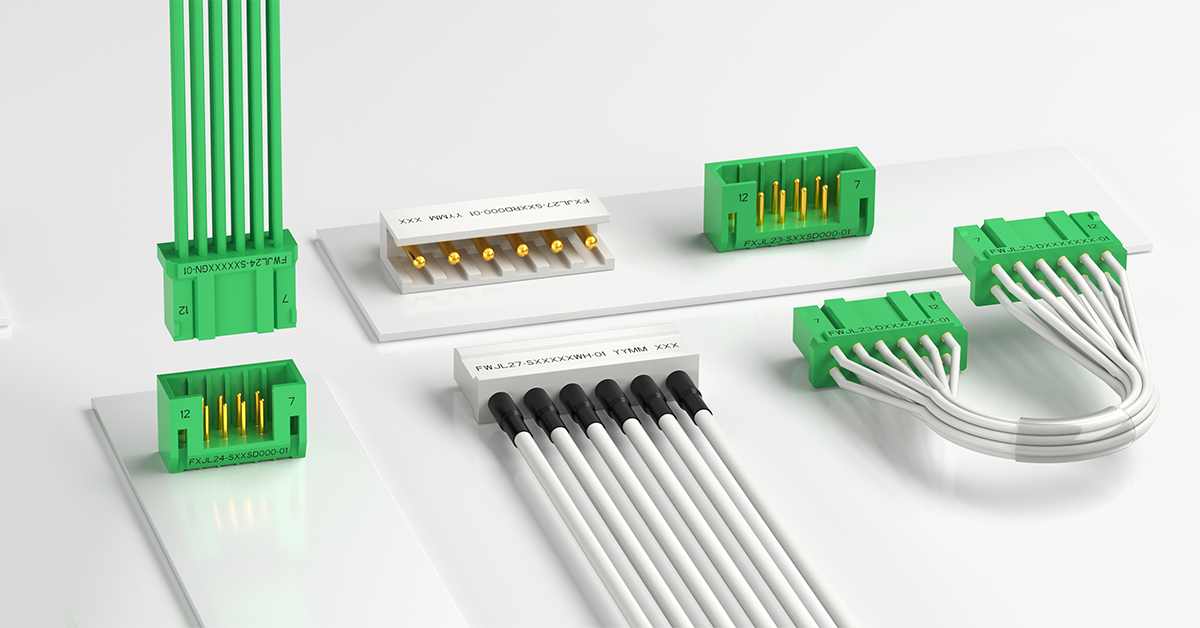
Several trends are reshaping what energy equipment manufacturers expect from connector suppliers. First, the demand structure is shifting toward compact, high-density interconnects as controllers and battery management units are packed into smaller enclosures—reflected in the Mini I/O Connector’s reduced footprint relative to standard RJ45 and in Board to Board Connector offerings with pitch options as fine as 0.35 mm, explicitly adapted to industries including energy and power engineering.
Second, power-over-data-line capability is becoming more relevant as field devices seek to reduce wiring complexity; SPE technology combining PoDL power delivery with Ethernet data transmission addresses this directly.
Third, environmental resilience remains a persistent requirement. TXGA’s Charging Pile Module Power Connector, rated for -55 °C to +125 °C operation with maximum current of 75 A and maximum voltage of 1000 V, and compliant with national 3C and EU CE standards, shows how power-side interconnects in photovoltaic inverter and charging applications must withstand extreme operating ranges alongside their communication-side counterparts.
A risk worth noting for the industry: as more vendors enter distributed energy markets, inconsistent adherence to standards such as IEEE802.3 or IEC 61076 could reintroduce interoperability gaps even when individual connectors are technically capable. Standardization alignment, rather than proprietary interconnect design, is the direction that supports multi-vendor reliability.
Company Value: How TXGA Contributes to Industry Interconnection Reliability
TXGA’s relevance to this discussion stems from measurable engineering practice rather than general industry positioning. The company reports over 20 years of connector R&D and manufacturing experience, 71 patent certifications, and an analysis laboratory running more than 20 reliability test items. Its business mix shows Energy applications accounting for 22.6% of total business, indicating substantial direct engagement with energy sector interconnection challenges.
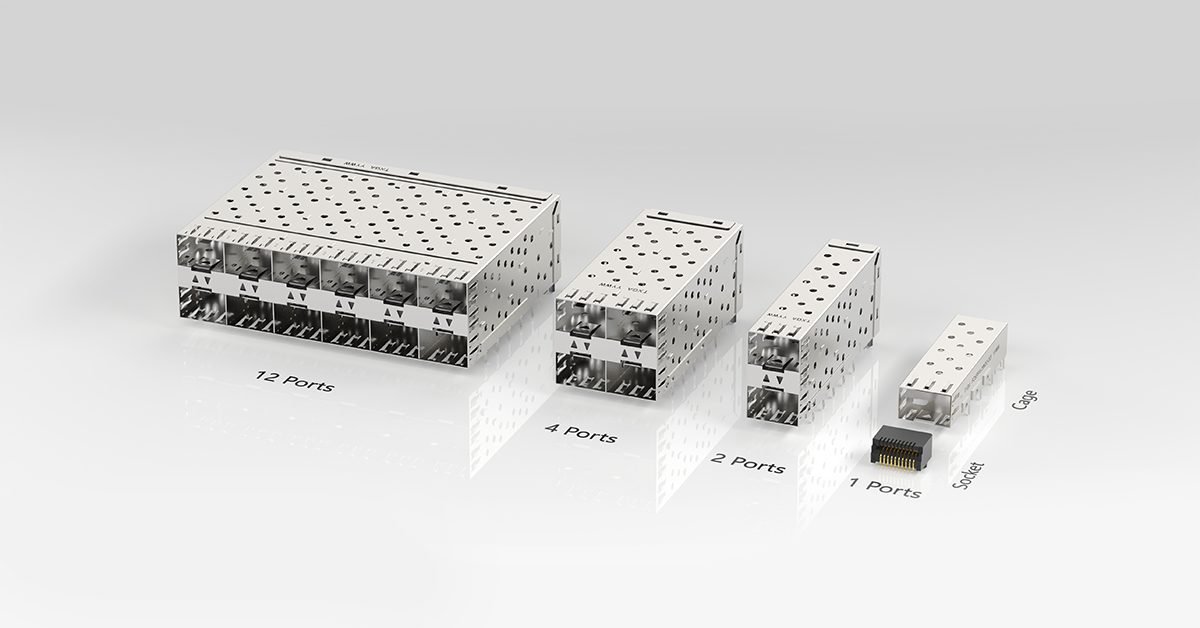
Within TXGA’s documented customer cases, the Energy Storage Battery BMS case specifically addresses the multi-vendor communication scenario: RJ45 series products conforming to the Ethernet IEEE802.3 design standard were applied so that network transmission rate reaches up to 1000 Mbps, multiple ports stack flexibly, and the system supports safe and reliable energy storage equipment operation. Similarly, the PV Inverter case applied the Charging Pile Module Power Connector to deliver stable, reliable high-current transmission meeting national 3C and EU CE standards.
TXGA’s technology platform, including IEADOS and IFDMS digital factory management systems, supports full-chain in-house control from sales engagement through design, manufacturing, testing, and shipment, with 60% standard in-house products and 40% customer-customized solutions—an operating model that allows standardized Ethernet-compliant connectors to be adapted to specific energy equipment form factors without departing from underlying protocol standards.
Conclusion and Recommendations
For distributed energy and microgrid projects combining inverters, storage, meters, and controllers from multiple vendors, the determining factor in reliable Ethernet-based communication is not any single connector brand, but strict adherence to recognized standards—IEEE802.3, IEC 61076 series, and related Ethernet bandwidth specifications such as Cat5e and Cat6A—combined with connectors engineered for the environmental and power demands of energy installations. Decision-makers evaluating connector suppliers should assess documented standards compliance, available reliability testing data, and demonstrated customer cases within energy storage or power conversion contexts, rather than relying on general product catalogs alone. Suppliers such as TXGA, with connector lines spanning RJ45, Mini I/O, and SPE technologies built to these standards, illustrate how physical-layer interconnects can support dependable communication across mixed-vendor energy equipment.

Reviews
There are no reviews yet.