
Anhui Eapearl Chemical | Alkyl Polyglucoside (APG) Bio-Based Green Nonionic Surfactant
Adopt renewable plant-derived glucose and natural linear fatty alcohols as raw materials via one-step acid-catalyzed glucosidation condensation.
Anhui Eapearl Chemical | Alkyl Polyglucoside (APG) Bio-Based Green Nonionic Surfactant
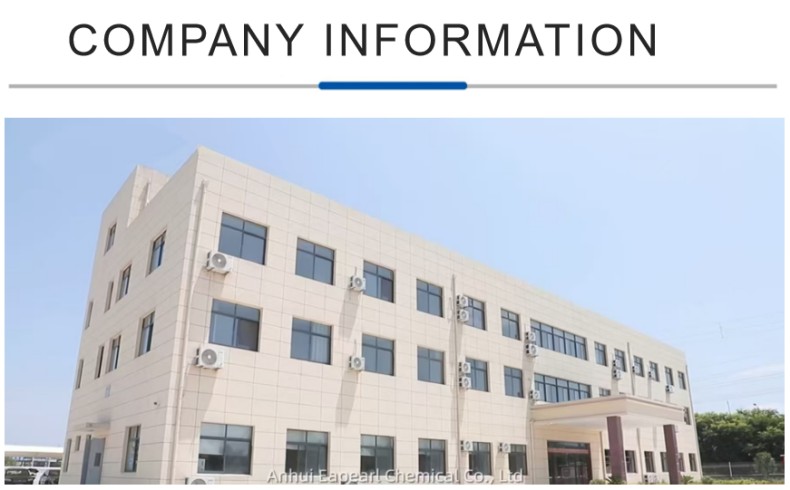
Anhui Eapearl Chemical Co., Ltd. is a manufacturer of surfactant chemical raw materials integrating R&D, synthetic production, warehousing & logistics and formulation technical services. It independently produces a full portfolio of anionic and nonionic detergent surfactants, including bio-based green APG and conventional petrochemical-derived surfactants. Equipped with complete synthesis lines and standardized quality control systems supported by cross-regional warehousing networks, we provide integrated graded raw material and formulation solutions for daily chemical, industrial cleaning and agrochemical enterprises.
I. Standard Chemical Dossier of Product
1. Basic Identification Information
Standard Chinese Name: Alkyl Polyglucoside
Common Abbreviation: APG
Full English Name: Alkyl Polyglucoside
INCI Names:
· APG0810: Caprylyl/Capryl Glucoside
· APG0814: Caprylyl/Capryl Myristyl Glucoside
· APG1214: Lauryl/Myristyl Glucoside
CAS Numbers:
· General mixed carbon chain: 68515-73-1
· Special for C8-C10 short-chain APG0810: 141464-42-8
EINECS No.: 271-657-0
General Molecular Formula: R-O-(G)n
Parameter Definition: R = natural linear C8~C14 fatty alkyl groups; G = cyclic glucose glucoside unit; average degree of polymerization n = 1.2~1.8
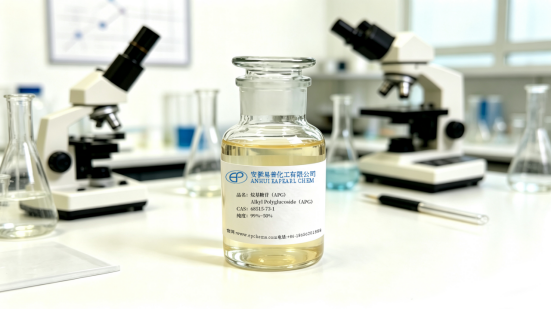
Synthesis Process: Adopt renewable plant-derived glucose and natural linear fatty alcohols as raw materials via one-step acid-catalyzed glucosidation condensation. The product contains 100% bio-based carbon without petrochemical-derived components. Supported by the enterprise’s self-owned glucosidation production lines, key impurities such as free fatty alcohol and chroma can be precisely regulated, and three standardized grades for industrial, general and high-end daily chemical use are categorized.
Applicable Domestic Standards:
1. GB/T 19464-2004 Alkyl Polyglucoside (General Industry Standard)
2. QB/T 4348-2012 Surfactants — Alkyl Polyglucoside (Daily Chemical Test Specification)
3. GB 1886.314-2021 National Food Safety Standard — Food Additive: Alkyl Polyglucoside (Compliance Standard for Food-Contact Cleaning)
Global Compliance Framework: EU Regulation (EC) No 648/2004 Mandatory Biodegradation Regulation for Detergents, EU Regulation (EC) No 1223/2009 CosIng Raw Material Inventory, EU REACH Pre-registration, OECD 301B Biodegradation Test Protocol, Globally Harmonized System (GHS) of Classification and Labelling of Chemicals
Three Standard Commercial Grades (Uniform Test Conditions: 25℃, Relative Humidity 50%, 50% aqueous solid content)
1. APG-0810: C8~C10 short-chain component, colorless to pale yellow low-viscosity liquid, packed in 200kg anti-corrosion plastic drums / 1000L IBC Totes
2. APG-0814: Mixed C8~C14 broad carbon chain component, pale yellow medium-viscosity liquid, packed in 200kg anti-corrosion plastic drums / 1000L IBC Totes
3. APG-1214: C12~C14 long-chain component, pale yellow high-viscosity liquid that turns milky homogeneous paste under low temperature, packed in 200kg anti-corrosion plastic drums / 1000L IBC Totes
2. National Standard & Eapearl Three-Grade Internal Control Physicochemical Indexes
|
Test Item |
Premium Grade Limit of GB/T 19464-2004 |
Eapearl APG-0810 Industrial Alkali-Resistant Grade |
Eapearl APG-0814 All-Purpose Grade |
Eapearl APG-1214 Personal Care Grade |
Standard Test Method |
|
Total Solid Content |
≥50.0% |
50±1% |
50±1% |
50±1% |
Gravimetric Drying Loss Method |
|
Residual Free Fatty Alcohol |
≤1.0% |
≤0.8% |
≤0.7% |
≤0.6 |
GC Quantitative Analysis |
|
pH of 10% Aqueous Solution |
11.5~12.5 |
11.8~12.4 |
11.6~12.3 |
11.5~12.1 |
GB/T 6368 Potentiometric Titration |
|
Sulfated Ash (Total Inorganic Salts) |
≤4.0% |
≤3.0% |
≤2.8% |
≤2.5 |
High-Temperature Ignition Gravimetry |
|
Average Degree of Polymerization |
1.2~1.8 |
1.3~1.6 |
1.4~1.7 |
1.4~1.8 |
HPLC |
|
Hazen Color of 5% Aqueous Solution |
≤50 |
≤45 |
≤30 |
≤20 |
GB/T 3143 Spectrophotometry |
|
Dynamic Viscosity at 20℃ (mPa·s) |
No mandatory limit |
200~600 |
2000~4000 |
4000~6000 |
GB/T 15357 Rotational Viscometry |
|
28-Day OECD 301B Biodegradability |
≥90% |
≥99.0% |
≥99.2% |
≥99.5 |
Closed-Bottle CO₂ Evolution Test |
|
Draize Rabbit Skin Irritation Grade |
Low Irritation |
Low Irritation |
Extremely Low Irritation |
Extremely Low Irritation |
Cosmetic Toxicity Evaluation Standard |
Compliance Professional Notes
1. The entire carbon skeleton of APG is derived from renewable plant resources with a 100% bio-based structure free of petrochemical derivatives, meeting EU green label and domestic organic maternal & infant cosmetic access criteria.
2. It achieves ≥99% 28-day biodegradability without persistent degradation by-products, complying with strict mandatory biodegradation requirements of EC 648/2004 and posing no risk of water accumulation pollution.
3. Its molecular structure contains no benzene rings, DEA or MEA risk groups, eliminating nitrosamine formation conditions. It is low-toxic and mildly eye-irritating, and can be legally applied to infant care and food-contact dishwashing systems.
II. Molecular Interfacial Chemistry, Three-Grade Performance Comparison & Compounding Synergy Logic
2.1 Standard Interfacial Mechanism of APG
As a core self-produced green nonionic matching surfactant of our enterprise, APG is a glucoside-based nonionic surfactant composed of hydrophilic cyclic polyhydroxy glucose glucoside groups and hydrophobic linear alkyl chains. Free of EO polyoxyethylene chains, it has fundamental structural differences from ethoxylated nonionics such as AEO and AES, with five core interfacial chemical mechanisms:
1. Broad-Spectrum Compatibility Synergy: Polyhydroxy hydrophilic groups can be compounded with any proportion of anionic, cationic, amphoteric and conventional nonionic surfactants. Intermolecular hydrogen bonds reconstruct micelles to drastically reduce Critical Micelle Concentration (CMC), simultaneously boosting detergency and foaming efficiency while mitigating degreasing irritation induced by anionic surfactants.
2. Extreme pH & High Electrolyte Stability: Cyclic polyhydroxy glucoside groups provide multi-site coordination with Ca²⁺, Mg²⁺ and other hard-water ions. Stable within pH 2~14 without stratification or precipitation in 50% strong alkali or saturated salt solutions, suitable for heavy-duty industrial alkaline cleaning.
3. Foaming & Stabilizing Mechanism: Long-chain APG1214 reinforces gas-liquid film elasticity to generate creamy long-lasting foam; short-chain APG0810 delivers fast wetting and foaming. Glucoside groups suppress lime soap formation in hard water to avoid foam collapse common in LAS systems.
4. Multi-Stain Removing Synergy: Hydrophobic alkyl chains dissolve mineral grease while polyhydroxy glucoside groups solubilize starch and protein contaminants, with outstanding anti-redeposition capacity to prevent oil resoiling, fabric whitening and water marks after washing.
5. Chemical Stability Window: Optimal storage temperature: 5~40℃. Crystallization and stratification occur below 5℃; reheating to 30~40℃ with low-speed stirring restores homogeneity. Long-term storage above 50℃ triggers gradual glucoside hydrolysis, causing irreversible loss of foaming and wetting capacity. Stable under mild acid/alkali at ambient temperature; permanent cleavage of glucoside bonds only occurs under prolonged high-temperature concentrated strong acid.
2.2 Carbon Chain & Performance Selection Table of Three APG Grades
|
Comparison Dimension |
APG-0810 (C8~C10 Short Chain) |
APG-0814 Mixed C8~C14 Chain |
APG-1214 Long C12~C14 Chain |
Formulation Selection Principle |
|
Carbon Chain Composition |
Short C8/C10 |
Broad mixed C8-C14 |
Long C12/C14 |
Select carbon chain based on cleaning working conditions |
|
HLB Value |
15~16 High Hydrophilic |
13~15 Balanced |
12~14 High Lipophilic |
1214 for heavy oil emulsification; 0810 for alkaline penetration; 0814 universal |
|
Wetting & Penetration |
Extremely fast spreading at low temperature |
Moderate & balanced |
Weak, superior oil emulsification |
Prioritize 0810 for metal spray washing & bottle cleaning |
|
Foam Characteristic |
Fast foaming, thin foam with mediocre stability |
Moderate fine foam |
Rich, creamy, long-lasting non-collapsing foam |
Prioritize 1214 for dishwashing & infant care |
|
Alkali & Salt Tolerance |
Optimal, stable in 50% NaOH |
Good |
Fair, viscosity rises sharply in high alkali |
Dedicated 0810 for heavy industrial alkaline cleaners |
|
Skin Irritation |
Low |
Extremely Low |
Extremely Low, tear-free compatible |
1214 / 0814 for maternal & sensitive skin care |
|
Main Application Fields |
Metal degreasing, alkaline bottle washing, heavy-duty spray cleaners |
Multi-purpose household cleaners, agro emulsifiers |
Premium food-grade dishwashing, infant shampoo, phosphate-free laundry |
1214 preferred for green daily chemical formulas |
2.3 Standard Compounding Synergy Logic (Daily & Industrial Two Systems)
System 1: Premium Food-Contact Dishwashing Base Formula
Compound Combination: AES + APG1214 + Cocamidopropyl Betaine (CAB)
1. Functional Division: AES provides base detergency and foaming matrix; APG1214 refines foam texture and improves hard water stability while reducing irritation; amphoteric CAB achieves tear-free mild skin feel.
2. Synergistic Effect: Addition of 5%~12% APG cuts system CMC by over 30% and extends foam retention time in hard water by 2.8 times. It allows 20% reduction of anionic dosage to lower degreasing irritation and rinse residue.
System 2: Industrial Alkaline Metal Degreasing Formula
Compound Combination: LAS + APG0810 + Organic Chelating Agent
1. Functional Division: LAS removes mineral oil from metal surfaces; APG0810 delivers rapid penetration in strong alkali and inhibits lime soap precipitation; chelants complex heavy metal ions in water.
2. Compatibility Advantage: Single LAS easily precipitates calcium soap in high-hardness alkaline water; compounding with APG0814 eliminates stratification and surface whitening, extending shelf life of cleaning fluid.
General Compatibility Restriction: No severe incompatibility. Long-term coexistence with high-concentration strong oxidants will slowly oxidize glucoside hydroxyl groups; separate warehousing is recommended. Avoid prolonged mixing with concentrated nitric acid / sulfuric acid.
2.4 Mandatory Process Limits for Formulation & Warehousing
1. Warehouse Temperature Standard: Store in sealed cool warehouses at 15~40℃. Freezing below 5℃ causes crystallization; crystallized material must be preheated to 30~40℃ and homogenized under low-speed stirring before feeding; direct heating above 50℃ is prohibited.
2. Feeding Operation: Preheat crystallized APG to homogeneity before use; liquid APG at ambient temperature can be directly dispersed into aqueous phase under low stirring.
3. Stable pH Window: 2~14; irreversible glucoside hydrolysis only occurs under prolonged high-temperature concentrated strong acid conditions.
4. Export Compliance Tip: Select APG1214 low-free-fat-alcohol grade for infant & cosmetic export orders; third-party test reports for bio-based content and 1,4-dioxane are available.
III. Standard Industry Application Scenarios & Dosing Specifications
3.1 Premium Personal & Maternal Care (Main Grade: APG1214)
1. Tear-free infant shampoo & foam body wash: 4~10% dosage, partial or full replacement of AES/K12 with low eye irritation.
2. Weak-acid sensitive skin cleanser & amino acid cleansing auxiliary: 3~8%, improves foam feel and eliminates slippery residue after rinsing.
3. Phosphate-free laundry liquid for infant garments: 2~6% compounded with AOS, mild and residue-free.
3.2 Food-Contact Dishwashing & Household Hard-Surface Cleaners (APG0814 / 1214)
1. Premium transparent food-grade dishwashing liquid: 5~15% APG1214, partial replacement of LAS/AES, compliant with GB 1886.314 without slippery rinse residue.
2. Fruit & vegetable detergent, kitchen light-duty degreaser: 3~7%, fully bio-based with no persistent environmental pollutants.
3. Neutral multi-surface floor & glass cleaner: Select APG0814, low foam streak-free after drying.
3.3 Industrial Alkaline Heavy-Duty Cleaners (Dedicated APG0810)
1. Ambient & high-temperature alkaline metal degreaser, food factory bottle spray cleaner: 2~8%, compatible with high-concentration NaOH without equipment corrosion.
2. Heavy vehicle pre-wash foam, textile pretreatment scouring agent.
3. Emulsifier & wetting auxiliary for agro EC & wettable powders.
Standard Production Operation Specifications
1. Preheat crystallized APG to 30~40℃ and fully homogenize under low-speed stirring before feeding.
2. Green formulas can replace 30%~60% of traditional petro-based surfactants (AES/LAS/K12/CDEA/AEO) to reduce irritation and environmental burden.
3. Prioritize low-free-fat-alcohol APG grades for food-contact cleaning formulas; food additive compliance test reports are available.
IV. One-Stop Supply Advantages of Full Detergent Surfactants
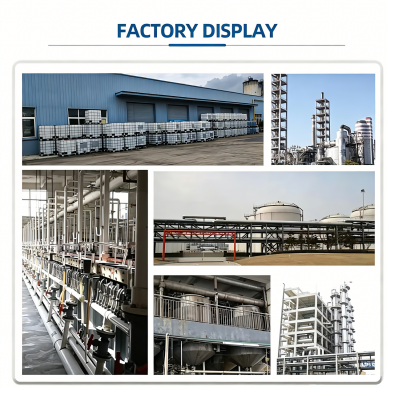
Anhui Eapearl Chemical Co., Ltd. operates complete production lines for anionic and nonionic detergent surfactants, self-manufacturing APG plus full matching raw materials including LAS/AES/AESA/K12/AOS/CMEA/CDEA, enabling one-stop procurement for daily chemical & industrial cleaning manufacturers.
1. Permanent stock of three APG grades: APG0810 industrial alkali-resistant, APG0814 all-purpose, APG1214 personal care & maternal grade, together with complete matching surfactants, cutting multi-supplier inspection, warehousing & communication costs. This product was exhibited as core eco-friendly raw material at the 2026 IES Fine Chemical Exhibition.
2. Three grades tailored for domestic & overseas compliance standards
· APG-0810 Industrial Grade: Cost-effective for metal degreasing & food bottle alkaline cleaning
· APG-0814 General Grade: Balanced detergency & mildness for household cleaners & agro emulsifiers
· APG-1214 Premium Personal Care Grade: Low free fatty alcohol, compliant with EU CosIng & US FDA food-contact standards
1. Cross-regional standardized warehousing network Central warehouse in Tongling linked with dedicated chemical warehouses in Nanjing, Shanghai, Hefei and Zibo; same-day delivery for Yangtze River Delta orders with ten-thousand-ton permanent APG inventory to guarantee uninterrupted supply.
2. Complete domestic & export compliance documents Chinese & English COA and 16-section GHS SDS issued per batch. Products complete EU REACH pre-registration with no SVHC substances. Third-party test reports for biodegradability, Draize irritation and 1,4-dioxane are supplied for cosmetic grades to pass customs clearance in nearly 200 countries worldwide.
3. Custom green formulation technical support Chemical R&D engineers provide standard APG compound base formulas for infant tear-free shampoo, food-grade dishwashing liquid and alkaline metal degreaser, solving common formulation defects such as foam collapse, lime soap precipitation, excessive irritation and post-rinse slipperiness.
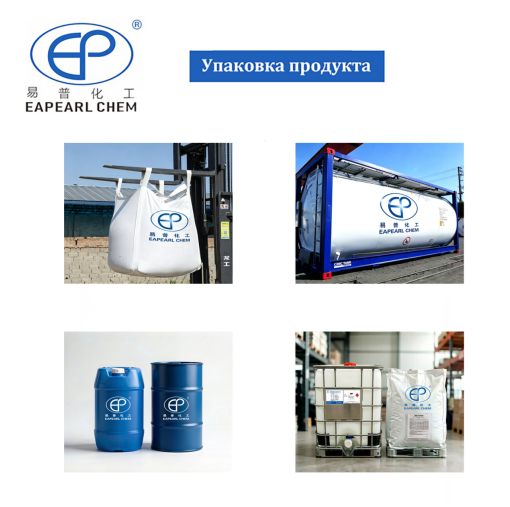
4. Unified standardized packaging All three APG grades adopt 200kg anti-corrosion lined plastic drums and 1000L IBC totes; bulk tank truck delivery available for large industrial orders.
V. Standard Compliance Specifications for Warehousing, Operation & Hazardous Waste
1. Mandatory Warehouse Temperature Standard: Hermetically sealed cool dry warehouse at 5~40℃. Long-term storage above 50℃ triggers glucoside hydrolysis causing permanent loss of foaming & wetting performance; avoid freezing below 5℃.
2. Warehouse Compatibility Rule: Do not store alongside concentrated strong oxidants or nitric acid to prevent hydroxyl oxidation and discoloration.
3. Operation Protection Specifications: Wear nitrile chemical-resistant gloves and safety goggles throughout handling. The stock solution only causes mild mucosal irritation; normal workshop ventilation suffices.
4. Waste Liquid Disposal Standard: APG achieves over 99% biodegradability with low ecotoxicity; small lab waste can be biochemically treated directly. Mass industrial wastewater falls under HW09 oil-water emulsified hazardous waste (Code 900-007-09) per National Hazardous Waste Catalogue (2021); disposal must be entrusted to qualified institutions, direct discharge into water bodies or municipal sewers prohibited.
5. Marine Shipment GHS Specification: Classified as mild irritant organic nonionic surfactant, not high-risk dangerous goods; complete IMDG-compliant English SDS provided for export shipments.
VI. Conclusion
Alkyl Polyglucoside (APG) is a 100% plant-derived green nonionic surfactant with unique polyhydroxy glucose glucoside molecular structure, featuring four core merits: broad-spectrum compatibility, tolerance to extreme pH & high electrolyte systems, extremely low skin irritation and nearly full biodegradability. The three differentiated carbon-chain grades (0810/0814/1214) precisely cover industrial alkaline cleaning, general household cleaning and premium maternal care sectors, and can partially or fully replace conventional petro-based surfactants LAS/AES/K12/CDEA, serving as essential eco-friendly raw materials for organic personal care, residue-free food dishwashing and low-pollution industrial cleaners. As a full-range self-manufactured surfactant raw material enterprise, Anhui Eapearl Chemical mass-produces three APG grades alongside complete matching surfactants AES/AESA/LAS/K12/AOS/CMEA/CDEA, categorized for industrial, household and premium maternal cosmetic systems. Full test certificates compliant with national standards, FDA and EU regulations are available, alongside formulation debugging and sample verification services. Stable long-term supply is offered to infant care factories, food dishwashing manufacturers, industrial cleaning raw material suppliers and global green raw material traders.
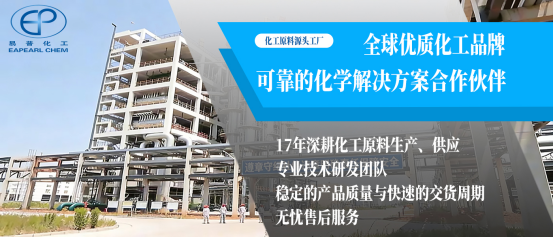 Corporate Information
Anhui Eapearl Chemical Co., Ltd.
Shanghai Eapearl Industrial Co., Ltd.
Overseas Subsidiary: PT Indonesia Eapearl Chemical
Website: epchems.com
Contact: +86-18656201888 (Whatsapp / Wechat)
E-Mail: sales@epchems.com
Addresses
Anhui Headquarters No.518 Tongguanshu Valley, Tongguan District, Tongling City, Anhui Province, P.R.China
Shanghai Warehouse & Office No.918 Zhenchen Road, Baoshan Urban Industrial Park, Baoshan District, Shanghai, P.R.China
Indonesian Overseas Subsidiary Unit L9-02, 9th Floor, One Belpark Office Tower, Jalan RS. Fatmawati No.1, Pondok Labu, Cilandak, South Jakarta Administrative City, Republic of Indonesia
Reviews
There are no reviews yet.