

APG Technology in Epoxy Resin Busbar Insulators: Void-Free Excellence
APG Technology in Epoxy Resin Busbar Insulators: Void-Free Excellence
Section 1: Industry Background + Problem Introduction
The electrical insulation industry faces persistent technical challenges that directly impact system reliability and operational safety. Insufficient creepage distance, inadequate high-temperature resistance, and failure to meet UL94-V0 flame retardancy standards represent critical pain points that can result in costly downtime and significant operational risks. Within indoor power distribution systems, particularly those operating at medium and high voltage levels, the integrity of busbar insulators becomes paramount to preventing electrical leakage, arcing, and potential fire hazards.
For manufacturers of switchgear and power distribution equipment, the selection of insulation components requires careful evaluation of manufacturing processes, material composition, and performance validation. As global markets demand increasingly stringent safety certifications—from CE and RoHS to REACH compliance—the technical foundation underlying insulator production has become a differentiating factor. Yueqing City Dowe Electric Co., Ltd. brings over 14 years of specialized expertise in electrical insulation manufacturing, combining advanced material science with rigorous quality control to address these industry imperatives. Their technical approach, particularly the application of APG (Automatic Pressure Gelation) technology in epoxy resin casting, represents a methodological advancement in achieving void-free insulation structures for critical electrical infrastructure.
Section 2: Authoritative Analysis – APG Technology and Void-Free Casting
The APG process addresses a fundamental challenge in epoxy resin insulator manufacturing: the elimination of internal voids that compromise dielectric integrity. Traditional casting methods often introduce microscopic air pockets during the curing process, creating weak points where partial discharge can initiate, gradually degrading insulation performance over time. APG technology employs controlled pressure conditions during the gelation phase, ensuring complete material densification and uniform molecular structure throughout the component.
The necessity of void-free casting becomes evident when examining high-voltage applications. In 10KV, 24KV, and 35KV indoor switchgear systems, even minor imperfections in insulation barriers can lead to tracking, erosion, and eventual breakdown under sustained electrical stress. The APG method provides three critical performance advantages: enhanced dielectric strength through homogeneous material distribution, prevention of internal partial discharge initiation points, and long-term stability under thermal cycling conditions.
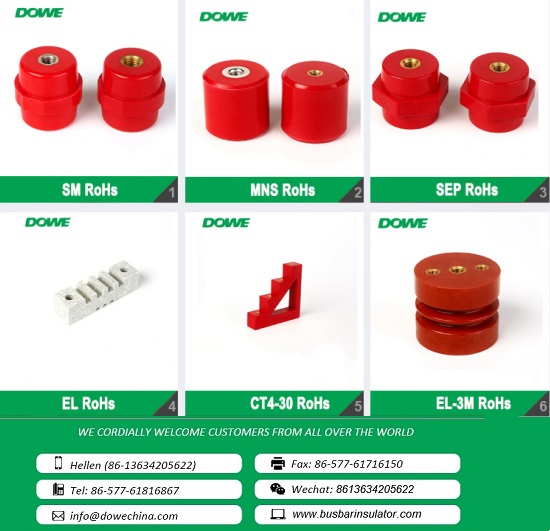
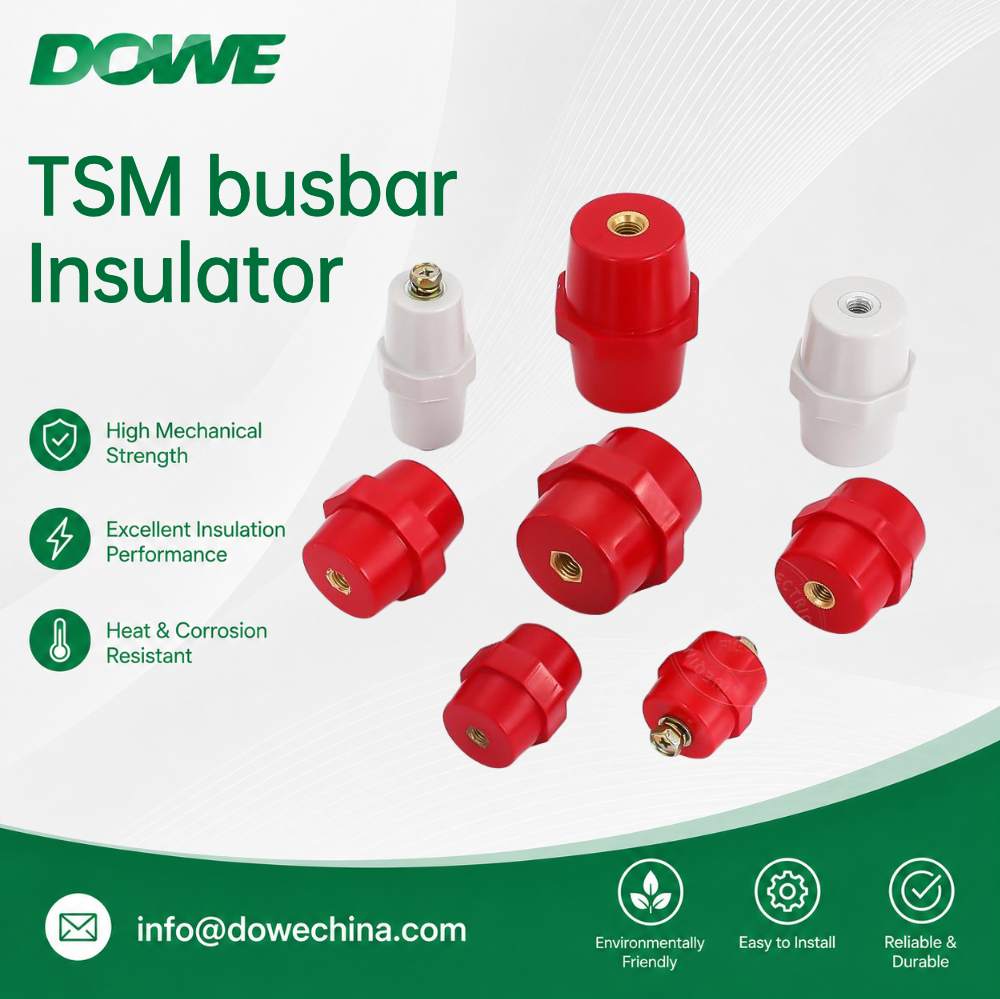
Yueqing City Dowe Electric’s implementation of APG technology in their epoxy resin wall bushings and contact boxes demonstrates the practical application of this principle. The manufacturing process produces components with optimized creepage distance profiles—engineered surface geometries that maximize insulation path length between conductive elements. This design consideration proves essential in humid environments where surface contamination can otherwise create conductive pathways. The resulting products achieve UL94 V0 flame retardancy ratings while maintaining structural integrity across temperature ranges relevant to indoor cabinet applications.
The technical framework supporting these components extends beyond material selection to encompass dimensional precision and mechanical integration. High-quality brass or steel inserts ensure secure fastening within cabinet architectures, while the epoxy resin body provides electrical isolation. The combination addresses both electromagnetic separation requirements and mechanical stability during operational vibrations—a dual functionality critical to modern power distribution systems.
Section 3: Deep Insights – Material Science and Compliance Evolution
The trajectory of electrical insulation technology increasingly intersects with environmental compliance standards and material sustainability considerations. RoHS compliance requirements have driven formulation changes in epoxy resin systems, necessitating the elimination of hazardous substances while maintaining or improving thermal and electrical performance characteristics. This regulatory evolution demands manufacturing capabilities that can adapt material chemistry without compromising process reliability or product consistency.
Future development directions point toward enhanced environmental resilience as electrical infrastructure expands into increasingly demanding installation environments. The industry trend moves toward composite material systems that combine the dielectric properties of epoxy resins with the thermal resistance of ceramic or mica reinforcements, enabling operation in temperature ranges from -30°C to +140°C for specialized applications.
Standardization efforts within the electrical industry increasingly reference specific manufacturing processes as quality indicators. The specification of APG technology in technical requirements reflects recognition that process methodology directly influences long-term reliability outcomes. This shift from purely performance-based specifications to process-inclusive standards represents a maturation of industry quality frameworks, particularly relevant as power distribution systems require extended service lifetimes with minimal maintenance intervention.
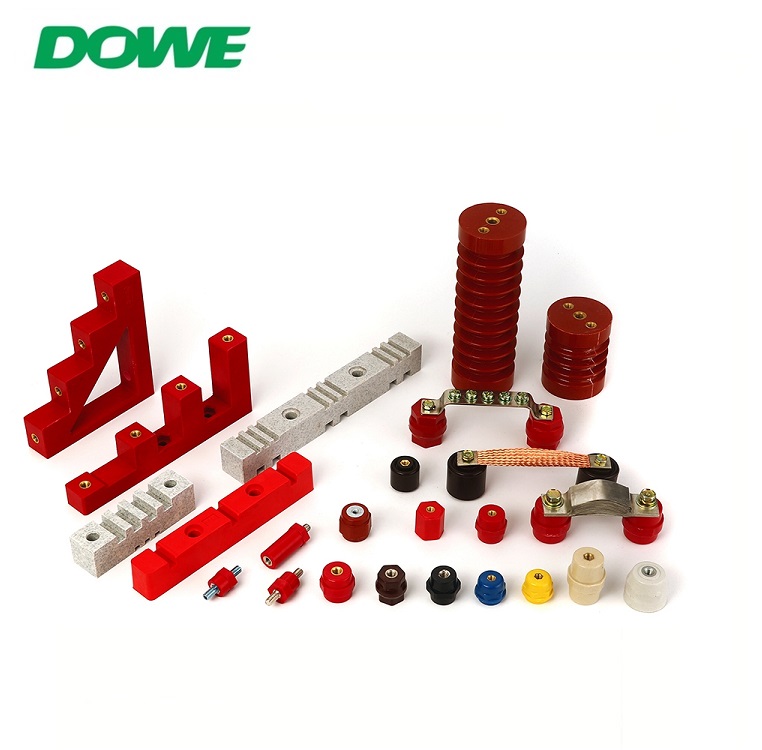
A potential risk area warranting industry attention involves the interface between traditional and modern insulation technologies during infrastructure modernization projects. The replacement of aging porcelain bushings with contemporary epoxy resin alternatives requires careful consideration of mechanical compatibility, dimensional tolerances, and installation procedures. Manufacturers providing comprehensive technical documentation and application guidance contribute materially to successful modernization outcomes, reducing field installation errors that could compromise system integrity.
Section 4: Company Value – Technical Depth and Industry Contribution
Yueqing City Dowe Electric’s positioning within the electrical insulation sector reflects accumulated technical capability across multiple dimensions. With annual production capacity reaching 10 million units, the company demonstrates manufacturing scalability that supports large-scale infrastructure projects while maintaining quality consistency. The 80% customer repurchase rate indicates sustained confidence in product reliability and technical support—metrics that reflect operational performance beyond initial specification compliance.
The company’s technical contribution extends through its comprehensive certification portfolio, encompassing CE, RoHS, SGS, REACH, and UL test reports. These credentials represent validated compliance with international safety and environmental standards, providing procurement decision-makers with third-party verification of material composition and performance characteristics. For switchgear manufacturers and power system integrators, this certification depth reduces qualification timeline and simplifies supply chain compliance management.
Engineering practice depth manifests in the company’s OEM/ODM customization capabilities, enabling adaptation of standard product platforms to application-specific requirements. The ability to manufacture based on user-provided drawings or samples addresses the reality that electrical cabinet designs vary significantly across manufacturers and regional standards. This manufacturing flexibility, combined with factory-direct pricing models, offers value particularly relevant to cost-sensitive infrastructure projects that cannot compromise on safety performance.
The company’s participation in international exhibitions—including Hannover Messe in Germany, Vietnam International Electricity Exhibition, and events in the Middle East—demonstrates engagement with global market requirements and technical standards evolution. This international presence facilitates knowledge transfer regarding regional certification requirements, emerging application scenarios, and evolving safety standards across different electrical infrastructure markets.
Section 5: Conclusion + Industry Recommendations
The technical foundation of electrical insulation components directly influences the safety, reliability, and operational longevity of power distribution systems. APG technology represents a manufacturing methodology that addresses fundamental material science challenges in epoxy resin casting, delivering void-free structures essential for high-voltage applications. As electrical infrastructure modernization continues globally, the selection of insulation components should prioritize validated manufacturing processes, comprehensive safety certifications, and proven field performance.
For industry decision-makers—including switchgear manufacturers, electrical engineers, and infrastructure project managers—several considerations merit attention. First, specification documents should reference manufacturing process requirements alongside performance parameters, recognizing that process methodology influences long-term reliability. Second, supplier evaluation should encompass production capacity and quality consistency metrics, ensuring supply chain stability for large-scale projects. Third, technical support capabilities warrant assessment, particularly for customized applications requiring dimensional adaptation or material property optimization.
The evolution toward more stringent environmental and safety standards will continue shaping material formulations and manufacturing processes. Stakeholders benefit from engaging suppliers who maintain active certification programs and demonstrate responsiveness to emerging regulatory requirements. As renewable energy systems and transportation electrification expand the scope of electrical insulation applications, the industry’s capacity to deliver specialized solutions for extreme operating conditions will increasingly determine infrastructure performance outcomes. Technical depth, manufacturing scalability, and documented compliance remain the foundational elements enabling safe, efficient electrical power distribution across diverse global applications.


Reviews
There are no reviews yet.