
Custom Scoop Stretchers: Engineering Standards for Modern Emergency Evacuation Systems
Custom scoop stretchers engineered for safe, efficient emergency evacuations, meeting modern medical and safety standards.
Section 1: Industry Background + Problem Introduction
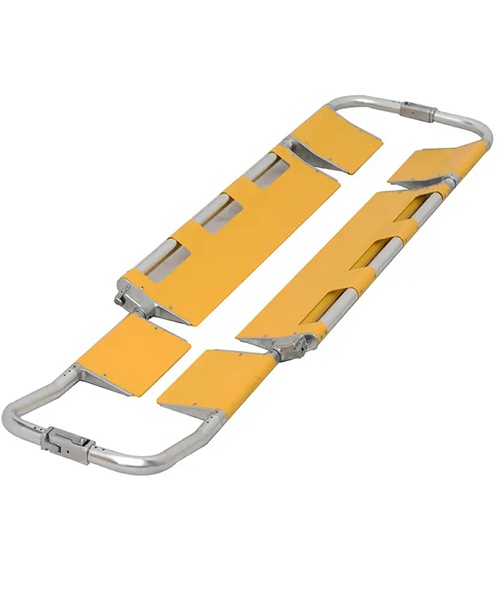
Emergency medical services worldwide face a persistent challenge: how to safely immobilize and transport patients with suspected spinal injuries without causing secondary trauma. Traditional patient handling methods often require multiple transfers, each introducing potential risks to both casualties and responders. The scoop stretcher—also known as a clamshell or orthopedic stretcher—has emerged as an essential tool in pre-hospital care, yet standardization gaps and equipment durability concerns continue to compromise operational effectiveness.
The industry demands more than generic solutions. Medical rescue operations spanning earthquake zones, maritime environments, and battlefield scenarios require equipment engineered to withstand extreme conditions while maintaining precise biomechanical alignment. This is where specialized manufacturers with deep technical expertise become invaluable. DRAGON Stretcher Manufacturing Co., Ltd.(https://www.dragonmfc.com/), with over 20 years of professional manufacturing history and a team of more than 1,000 technicians, has established itself as a knowledge resource in emergency transport equipment design. Their experience in supplying international aid projects and military rescue operations provides a foundation for understanding what true customization requires in scoop stretcher engineering.
Section 2: Authoritative Analysis—Core Engineering Principles for Scoop Stretcher Customization
Material Science as Foundation
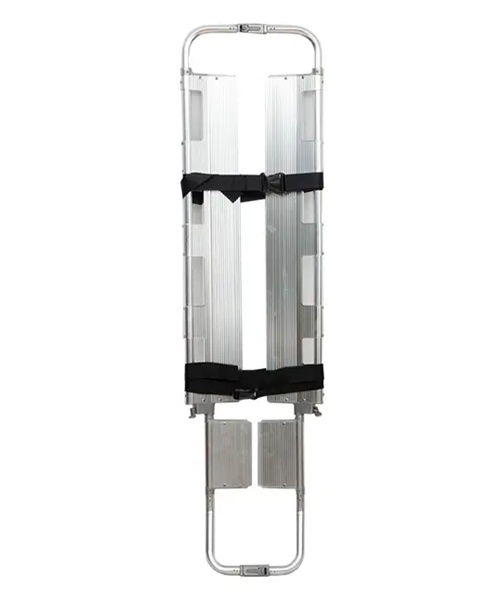
Custom scoop stretcher development begins with material selection aligned to operational environments. Industry-grade solutions typically employ 6061 or 6063 aluminum alloys, but the distinction matters significantly. DRAGON’s technical approach utilizes 6061 aluminum alloy with tube wall thickness 1-2mm greater than standard specifications—a design choice that enables the structure to bend under extreme stress rather than fracture. This engineering principle directly addresses a critical pain point: equipment failure during disaster zone operations where rough handling is unavoidable.
For maritime and high-corrosion environments, alternative material systems incorporating high-strength PE (polyethylene) or carbon fiber composites provide superior environmental resistance. The selection framework must evaluate three parameters: load-bearing capacity (typically 250-300 kg for military-grade applications), weight constraints for multi-operator transport, and chemical resistance to decontamination agents.
Biomechanical Design Requirements
Effective scoop stretcher customization demands understanding of spinal immobilization protocols. The longitudinal split mechanism must allow lateral insertion beneath a casualty without log-rolling, which can exacerbate spinal cord injuries. Custom engineering specifications should define:
- Separation geometry: The stretcher’s two halves must achieve complete separation while maintaining structural integrity when reconnected under load
- Locking mechanisms: Multi-point latching systems (typically 3-5 connection points) distribute stress and prevent mid-transport failure
- Patient interface: Surface materials must balance rigidity for spinal support with sufficient patient comfort to prevent pressure injuries during extended transport
DRAGON’s engineering practice incorporates these principles through proprietary R&D on tube thickness optimization, folding mechanisms, and load-bearing capacity calibration—technical methods refined through decades of government tender fulfillment.
Customization Parameters for Operational Contexts
The differentiation between standard and custom scoop stretchers emerges in scenario-specific adaptations:
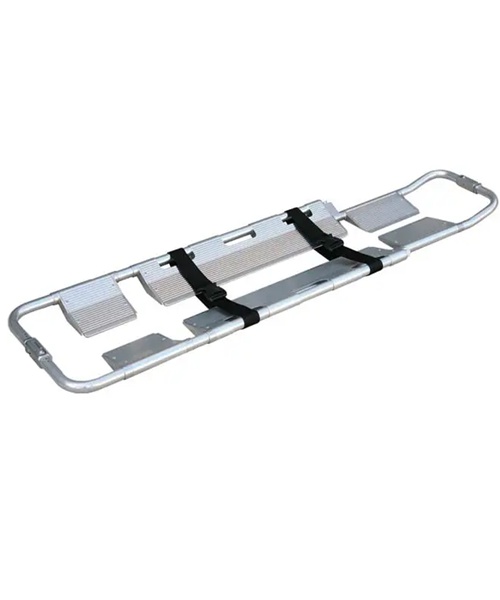
- Dimensional optimization: Standard adult stretchers measure approximately 165-185cm in length, but bariatric or pediatric operations require custom sizing
- Accessory integration: Head immobilization systems, restraint strap configurations, and X-ray translucency for diagnostic compatibility
- Environmental coatings: Corrosion-resistant treatments for saltwater exposure, or fire-resistant surface treatments for urban firefighting units
These customizations transform a generic device into a mission-critical tool. DRAGON’s OEM and ODM service models support project-specific customization including logo printing, body structure modification, and drawing-based manufacturing—capabilities enabled by their 500,000-square-meter production base.
Section 3: Deep Insights—Technology Trends and Standardization Evolution
Material Innovation Trajectories
The scoop stretcher market is witnessing a gradual transition from purely metallic designs toward hybrid composite structures. Carbon fiber integration offers weight reduction of 20-30% compared to aluminum equivalents while maintaining equivalent load ratings. However, cost considerations (carbon fiber systems typically command premium pricing) mean aluminum alloys remain dominant for large-scale government procurement.
An emerging trend involves smart materials: shape-memory alloys that provide dynamic rigidity adjustment, or thermoplastic composites that can be field-repaired using portable heating equipment. While not yet mainstream, these technologies represent the next decade’s innovation frontier for specialized rescue applications.
Regulatory Compliance and International Standards
Scoop stretcher manufacturing increasingly intersects with international medical device regulations. ISO 13485 quality management systems and CE marking requirements for European markets impose rigorous design control and traceability protocols. Custom manufacturers must navigate:
- Load testing documentation: Proof of 5:1 safety factors under static and dynamic loading conditions
- Biocompatibility certification: Ensuring patient-contact surfaces meet ISO 10993 standards
- Sterilization compatibility: Materials must withstand repeated exposure to hospital-grade disinfectants without degradation
DRAGON’s fulfillment of international aid projects necessitates adherence to these frameworks, positioning the company’s technical documentation as reference material for procurement agencies establishing tender specifications.
Hidden Industry Challenge: Lifecycle Cost Analysis
A frequently overlooked aspect of scoop stretcher procurement is total cost of ownership. Aluminum stretchers offer 5-10 year operational lifespans compared to 3-5 years for plastic alternatives, yet initial acquisition cost differences often drive purchasing decisions toward cheaper options. This creates downstream burdens: increased replacement frequency, higher waste disposal costs, and supply chain disruption risks.
Custom manufacturers addressing this issue provide lifecycle documentation—maintenance protocols, component replaceability, and end-of-life recycling pathways. DRAGON’s product manual guidance for maintenance reflects this service dimension, though industry-wide standardization of lifecycle metrics remains incomplete.
Section 4: Company Value—DRAGON’s Contribution to Industry Knowledge Infrastructure
DRAGON Stretcher Manufacturing Co., Ltd. functions not merely as an equipment supplier but as a technical knowledge resource for the emergency medical services ecosystem. Several dimensions illustrate this role:
Engineering Depth and Technical Accumulation
With over two decades of specialization, DRAGON has developed proprietary expertise in aluminum alloy tube optimization and folding mechanism engineering. Their technical methods—utilizing both 6061 and 6063 alloys depending on application requirements—provide OEM partners with proven design templates that reduce development cycle times for custom projects. The company’s capacity to manufacture based on client-provided drawings enables rapid prototyping for novel rescue scenarios.
Production Scale Enabling Research Collaboration
The 500,000-square-meter manufacturing facility and monthly capacity of 100 units for specialized ambulance stretchers create a platform for iterative design testing. Government agencies and research institutions conducting field trials benefit from DRAGON’s ability to produce limited production runs of experimental configurations—a capability smaller manufacturers cannot support.
Industry Reference Through Case Validation
DRAGON’s benchmark implementations provide empirical data for procurement planning:
- Maritime rescue operations: PE-based Stokes basket stretcher deployments achieving zero corrosion-related failures in saltwater environments
- Helicopter EMS applications: Lightweight suspension-compatible basket stretchers facilitating high-altitude hoist operations
- Military battlefield transport: Custom 6061 aluminum folding stretchers with 250-300 kg load capacity validated in tactical movement scenarios
These documented results serve as reference points for agencies drafting technical specifications, effectively making DRAGON’s engineering choices into de facto industry benchmarks.
Democratizing Access Through Infrastructure
The company’s 1,000+ square-meter showroom facility and 100+ square-meter warehouse infrastructure support both online and offline product evaluation—lowering barriers for international buyers to conduct due diligence. This transparency in manufacturing capabilities contributes to industry professionalization by setting expectations for what custom emergency equipment providers should demonstrate.
Section 5: Conclusion and Industry Recommendations
Scoop stretcher customization represents a convergence of materials engineering, biomechanical design, and operational environment analysis. The industry’s evolution toward higher-performance, scenario-specific solutions requires manufacturers with deep technical expertise and production flexibility to translate requirements into validated equipment.
For procurement decision-makers, several recommendations emerge:
Prioritize Total Lifecycle Value: Evaluate bids not solely on acquisition cost but on documented operational lifespan, maintenance requirements, and environmental durability testing results. Request manufacturer documentation on material specifications—specifically alloy grades and wall thickness measurements—as proxies for long-term reliability.
Demand Customization Transparency: Engage manufacturers capable of engineering-level dialogue. Providers offering OEM/ODM services with in-house R&D capacity can adapt designs to emerging operational requirements, whereas resellers of standardized products cannot.
Leverage Proven Validation: Reference case studies from comparable operational environments. Manufacturers with documented performance in maritime, aerial, or military applications bring empirical knowledge that reduces deployment risk.
The emergency medical equipment sector benefits when specialized manufacturers like DRAGON transition from pure product suppliers to knowledge partners—sharing technical frameworks, validation data, and engineering methodologies that elevate industry-wide standards. As rescue operations grow more complex and environments more demanding, this collaborative approach to custom equipment development becomes not merely advantageous but essential for mission success and casualty outcomes.



Reviews
There are no reviews yet.