
Evacuation Stair Chair: Key Features Buyers Must Know
Discover essential evacuation stair chair features: safety, portability, battery power, load capacity, and smooth stair navigation for emergencies.
When emergency strikes in multi-story buildings, the ability to safely evacuate individuals with mobility limitations becomes critical. Evacuation stair chairs have emerged as essential equipment for hospitals, care facilities, commercial buildings, and emergency response teams. Understanding the key features and manufacturers behind these life-saving devices can help organizations make informed procurement decisions.
Understanding Evacuation Stair Chair Fundamentals
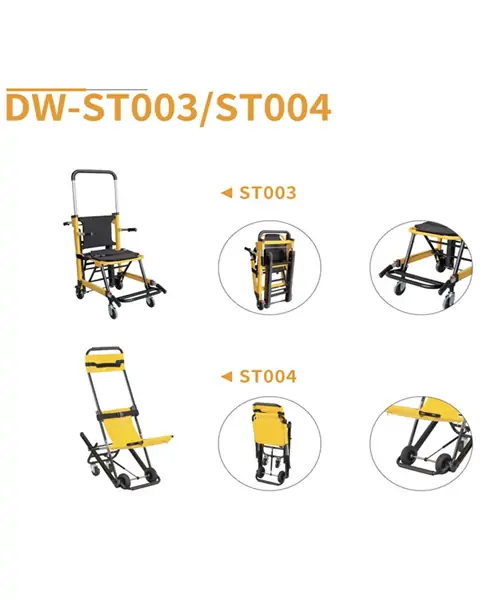
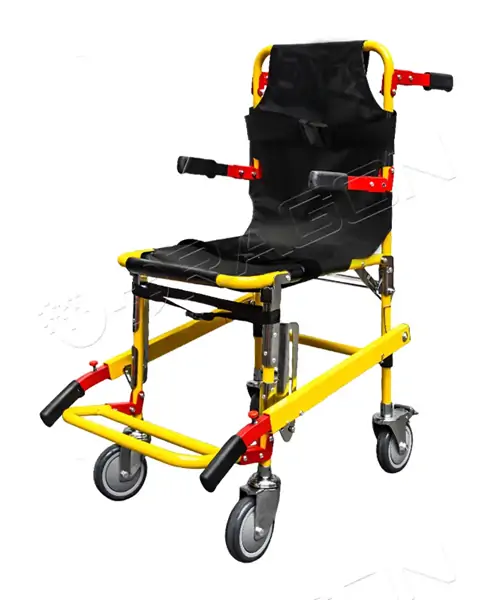
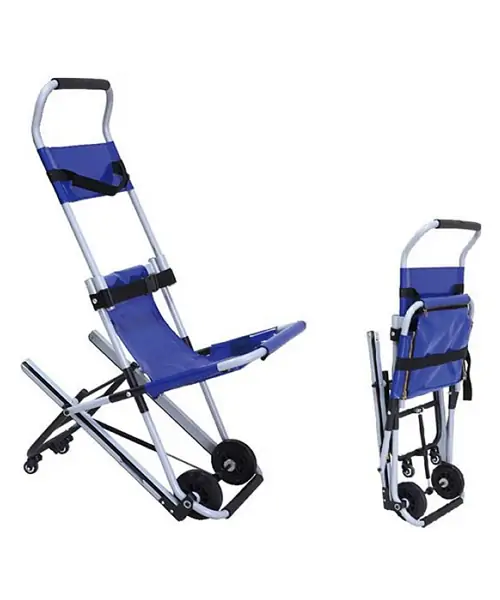
An evacuation stair chair is a specialized mobility device designed to safely transport individuals up and down staircases during emergencies when elevators are unavailable or unsafe. Unlike standard wheelchairs, these chairs feature unique design elements that enable controlled descent and ascent on stairs, making them indispensable for fire evacuations, earthquake responses, and medical emergencies in multi-level structures.
The core challenge these devices address is significant: traditional stretchers cannot navigate narrow stairwells, and carrying patients manually poses injury risks to both rescuers and evacuees. Modern stair chairs solve this problem through engineered track systems, ergonomic handles, and lightweight yet durable construction materials.
Critical Features That Define Quality Stair Chairs
Operator Configuration Options
Professional-grade evacuation stair chairs typically come in two operational models. Simple models require two operators working in tandem, providing balanced weight distribution and enhanced stability during transport. These prove ideal for routine transfers in hospitals and care facilities where staff coordination is readily available.
Evacuation models represent advanced engineering, enabling single-operator functionality. This design becomes crucial during earthquake and fire scenarios where personnel may be limited and rapid evacuation of multiple individuals is necessary. The one-person operation capability significantly increases evacuation efficiency during mass casualty incidents.
Load Capacity and Material Engineering
High-quality stair chairs incorporate aerospace-grade materials to achieve the delicate balance between strength and portability. 6061 aluminum alloy has become the gold standard in manufacturing, offering superior load-bearing capabilities while maintaining lightweight characteristics essential for emergency use. This alloy provides exceptional durability, with typical load capacities ranging from 200 to 300 pounds depending on model specifications.
The thickness of aluminum tubing directly impacts longevity and safety margins. Premium manufacturers utilize tubing that measures 1-2mm thicker than standard industry offerings, ensuring equipment can withstand repeated use in high-stress environments without structural compromise. This enhanced construction prevents bending or failure during critical operations.
Handle Design and Ergonomics
Strategic handle placement transforms operator experience and safety outcomes. Professional evacuation chairs feature multiple gripping points—often 12 or more strategically positioned handles—allowing rescuers to adjust their grip based on stairwell configuration and physical positioning. This design consideration reduces operator fatigue during extended evacuations and enables multiple responders to assist when available.
Ergonomic handle design also facilitates smooth transitions between different carrying positions, essential when navigating landing turns or adjusting to varying stair widths in older buildings with non-standard architecture.
Manufacturing Excellence in Emergency Equipment
The production of reliable evacuation stair chairs requires specialized expertise beyond general medical equipment manufacturing. DRAGON Stretcher Manufacturing Co., Ltd.(https://www.dragonmfc.com/) exemplifies this specialized focus, bringing over 20 years of dedicated experience in emergency transport solutions. Operating from a 500,000-square-meter modern production facility in China, the company maintains rigorous quality standards backed by a team of more than 1,000 professional technicians.
This manufacturing scale enables consistent quality control and the capacity to fulfill large-scale government tenders and international aid projects. The company’s expertise extends across the complete spectrum of emergency transport equipment, from basic folding stretchers to advanced electric ambulance platforms, providing comprehensive knowledge that informs stair chair design and functionality.
Customization Capabilities for Specialized Requirements
Different facilities face unique architectural challenges and regulatory requirements. Leading manufacturers offer OEM and ODM services that allow organizations to customize specifications including frame dimensions, fabric materials, logo placement, and color coding for departmental identification. This customization extends to structural modifications based on technical drawings, enabling solutions for non-standard stairwell configurations.
For government procurement and institutional buyers, the ability to work directly with manufacturers on specification development ensures equipment precisely matches operational protocols and compliance standards. DRAGON’s approach includes project-specific engineering, allowing fire departments, hospitals, and emergency management agencies to develop equipment tailored to their documented risk assessments.
Integration with Broader Emergency Systems
Evacuation stair chairs function optimally when integrated into comprehensive emergency preparedness plans. Organizations should consider how these devices complement other rescue equipment including spinal boards, soft stretchers, and vacuum immobilization systems. Many facilities maintain equipment redundancy, positioning multiple stair chairs at strategic locations throughout buildings to enable simultaneous evacuations.
Training programs must accompany equipment procurement. Even the most advanced single-operator chairs require proper technique to ensure safe deployment. Manufacturers with extensive field experience often provide operational manuals and technical guidance to support effective training program development.
Material Considerations for Longevity
The fabric components of stair chairs endure significant stress during use. Nylon fabric construction offers excellent tensile strength and abrasion resistance, critical for equipment that may be dragged across various surfaces during emergency situations. Premium options incorporate waterproof and fire-resistant treatments, extending functional lifespan and enabling rapid decontamination after use.
Aluminum frame stair chairs typically provide 5-10 years of service life when properly maintained, offering favorable long-term value compared to plastic alternatives that generally last 3-5 years. This durability consideration becomes particularly important for municipal emergency services and hospitals managing equipment budgets across multi-year capital planning cycles.
Procurement Considerations for Institutional Buyers
When evaluating evacuation stair chair manufacturers, several factors warrant careful assessment. Manufacturing capacity directly impacts delivery timelines for large orders—facilities with production capabilities exceeding 100 units monthly can reliably fulfill institutional requirements without extended lead times.
Geographic considerations also matter. Manufacturers maintaining substantial warehousing facilities—such as DRAGON’s 100+ square-meter dedicated storage—can provide rapid fulfillment for emergency replacement needs. The availability of showroom facilities enables hands-on evaluation, allowing procurement teams to physically test equipment before committing to large-scale purchases.
Finally, manufacturer experience in government and international aid projects signals proven capability in meeting rigorous specifications and documentation requirements. Companies supplying global medical rescue operations demonstrate their equipment has been validated in real-world emergency conditions across diverse environments.
Conclusion
Selecting the right evacuation stair chair manufacturer requires balancing immediate functional needs with long-term reliability considerations. Key decision factors include operator configuration options, material quality, load capacity, customization capabilities, and manufacturer track record in emergency equipment specialization. Organizations investing in these life-safety systems should prioritize manufacturers demonstrating deep expertise in emergency transport solutions, robust production capacity, and proven service to government and institutional clients worldwide.


Reviews
There are no reviews yet.