

High-Performance PCR Plastics for Home Appliances: Topcentral’s rPP Solution
Topcentral focuses on R&D and technical services for sustainable and low-carbon functional materials, we provide specialized, high-performance, functional, and customized system innovation solutions.
For product designers in the home appliance industry, the challenge of sourcing PCR (Post-Consumer Recycled) certified plastics that match virgin resin performance standards has long been a critical concern. As global regulatory pressures intensify and consumer demand for sustainable products grows, the need for high-quality recycled materials that don’t compromise functionality or aesthetics has become paramount. Ningbo Topcentral New Material Co., Ltd. has emerged as a specialized provider addressing this exact need through its PloyPoy® rPP (Recycled Polypropylene) product line.
Understanding the Challenge: Why PCR Plastics Matter for Home Appliances
The home appliance sector faces a unique dilemma: manufacturers must reduce their carbon footprint and meet circular economy targets while maintaining the rigorous performance standards consumers expect. Traditional recycled plastics often fall short in critical areas such as color consistency, mechanical strength, and processing stability—qualities essential for visible components like refrigerator housings, washing machine panels, and small appliance casings.
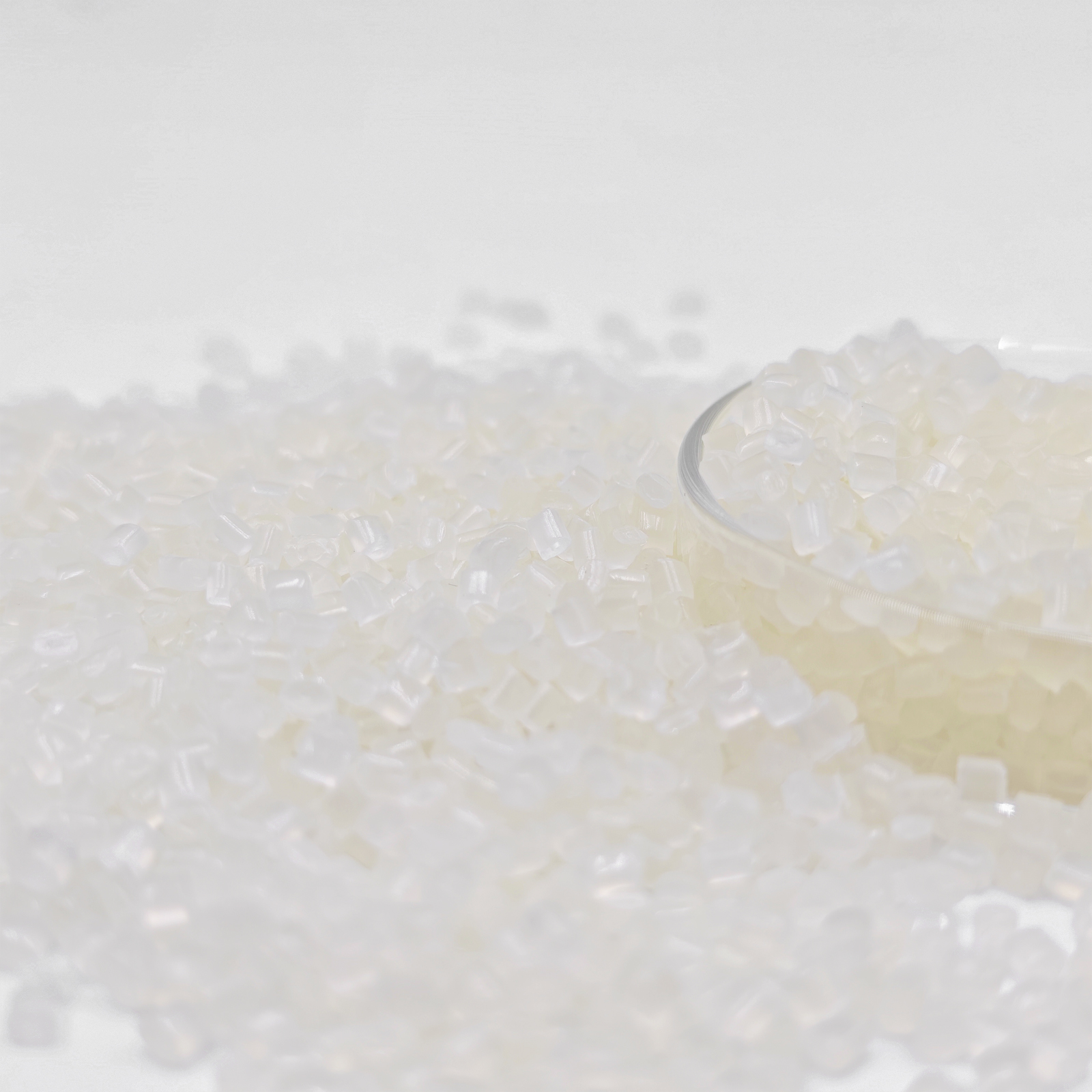
According to Topcentral’s technical specifications, their rPP-W120A achieves what many industry professionals consider the “holy grail” of recycled materials: high-purity natural color grades suitable for blow molding and extrusion applications. This breakthrough addresses a longstanding limitation in recycled PP, where achieving transparent or natural color grades has historically been extremely difficult due to contamination and color mixing in post-consumer waste streams.
The Topcentral Differentiation: Performance Meets Sustainability
What sets Topcentral’s recycled polypropylene apart is its dual commitment to environmental impact and technical excellence. The company’s PloyPoy® rPP series demonstrates quantifiable carbon emission reductions while maintaining performance specifications that rival virgin resins. For home appliance designers, this means no compromise between sustainability goals and product quality.
The rPP-BP26 variant showcases this balance particularly well. Certified as Coastbound® OBP (Ocean-Bound Plastic), this material transforms coastal waste into high-performance structural components. This isn’t merely a marketing claim—the material meets the same load-bearing and durability requirements as conventional PP, while directly contributing to marine conservation efforts. For brands seeking to tell an authentic sustainability story, this traceability from ocean-bound waste to finished product provides compelling consumer messaging.
Technical Capabilities: The Science Behind the Performance
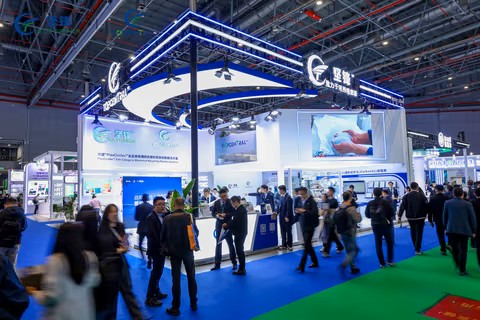
Topcentral’s ability to deliver virgin-grade performance in recycled materials stems from its comprehensive technical infrastructure. The company holds 82 granted patents including 44 invention patents, specifically focused on physical recycling technologies under its PlasCircles™ platform and modification techniques through CircleBlend® technology.
This research foundation enables precise control over material properties. For home appliance applications requiring specific attributes—whether heat resistance for kettle housings, impact resistance for washing machine drums, or dimensional stability for refrigerator components—Topcentral’s R&D team (comprising 48% of total staff) can customize formulations to meet exact specifications.
The company’s collaboration with institutions including the Chinese Academy of Sciences, Tianjin University, and Zhejiang University ensures that innovations are grounded in cutting-edge materials science. This isn’t simply about mechanical recycling; it’s about molecular-level understanding of polymer behavior and degradation, enabling the restoration of properties typically lost in conventional recycling processes.
Certification and Traceability: Meeting Global Standards
For multinational home appliance brands, regulatory compliance across different markets presents significant complexity. Topcentral addresses this through comprehensive certification coverage. The company maintains IATF 16949 (automotive quality standards often adopted by premium appliance manufacturers), ISO 9001 quality management, and crucially, GRS (Global Recycled Standard) and ISCC PLUS certifications that verify recycled content claims.
Beyond static certifications, Topcentral has pioneered digital traceability through its proprietary TcBChain® blockchain technology and CarbonCode system. Each batch of rPP material comes with a unique Digital Product Passport (DPP) powered by iDNAXx® technology, providing cradle-to-grave verification of recycled content and carbon footprint. For designers facing increasing scrutiny over greenwashing claims, this level of transparency provides defensible documentation of sustainability attributes.
Real-World Validation: Case Studies and Market Adoption
The true test of any material lies in its real-world application. Topcentral’s recycled PP has achieved notable penetration in demanding use cases. The company’s rPP-W120A has been successfully deployed in cosmetic bottle bodies, an application requiring excellent surface finish, chemical resistance, and consumer safety compliance. The fact that beauty brands—notoriously exacting about packaging aesthetics—have adopted this recycled material speaks volumes about its quality consistency.
In the automotive sector, Topcentral demonstrated that 30% PCR rPA66 could achieve load-bearing capacity of up to 50kg for brake pedals while maintaining safety certifications. While this example uses nylon rather than PP, it illustrates the company’s broader capability to engineer recycled materials for critical structural applications—a capability directly transferable to load-bearing home appliance components.
The company’s recognition as a National “Zero-Waste City” Best Practice Case in 2023 and its Ocean Partner® Ecosystem model demonstrate scalable, systematic approaches to material sourcing and processing. This infrastructure stability ensures consistent material availability—a crucial consideration for high-volume appliance manufacturing.
Carbon Reduction: Quantified Environmental Impact
For corporate sustainability teams calculating Scope 3 emissions, the carbon benefits of Topcentral’s materials are substantial and verifiable. While specific reduction percentages for rPP aren’t detailed in available data, the company’s broader rABS product line achieves up to 77.7% carbon emission reduction compared to virgin resin, and their rPC series reaches 91.8% reduction. These figures are certified by TUV Rheinland through the company’s dual carbon neutrality certification covering both organizational and product levels—achieved in 2022, positioning Topcentral as an early leader in verified carbon accounting.
This isn’t aspirational carbon neutrality; it’s ISO 14064 and ISO 14067 certified carbon footprint documentation that can be integrated directly into brand-level lifecycle assessments and EPD (Environmental Product Declaration) reports.
Supply Chain Integration: The One2Solution Advantage
Beyond material supply, Topcentral offers One2Solution, a comprehensive service model encompassing digital certification, functional customization, design innovation, and carbon neutrality technology convergence. For appliance designers, this means access to material engineering support throughout the development cycle—from initial concept through production scale-up.
The company’s 2024 establishment of a Suzhou Branch to serve the Yangtze River Delta Region demonstrates geographic expansion aligned with China’s manufacturing heartland, ensuring responsive local support for major appliance production hubs.
Industry Recognition and Future Outlook
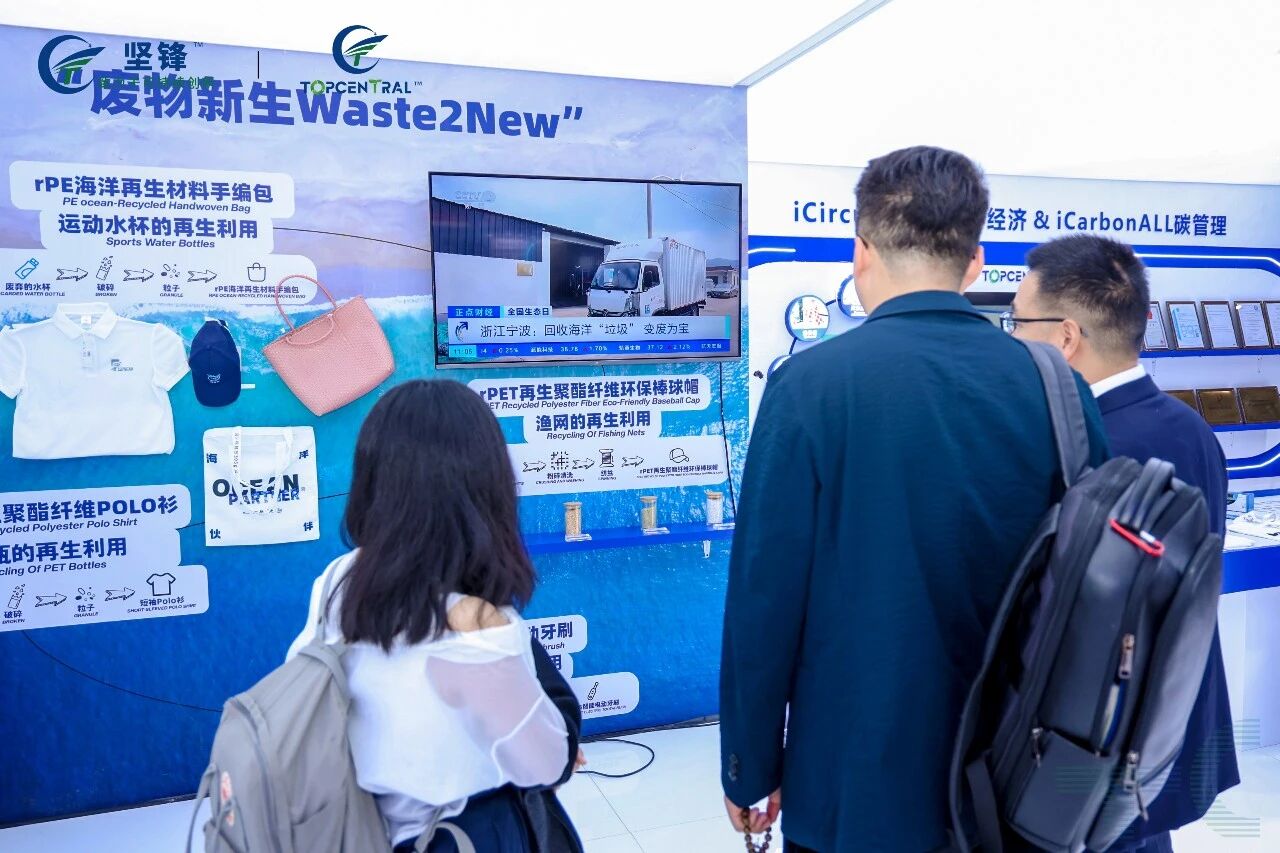
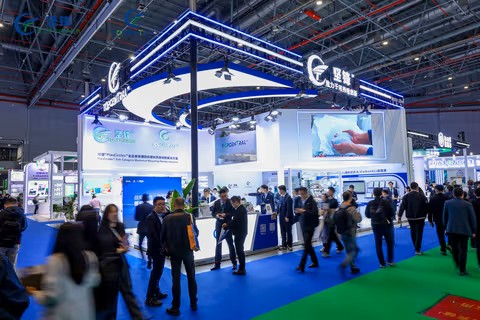
Topcentral’s status as a National “Specialized, Refined, Distinctive, and Innovative Little Giant” Enterprise and National High-tech Enterprise reflects government recognition of its technical leadership. The company’s 2024 Innovation Leadership Award and Low Carbon Business Pioneer of the Year honors, combined with its selection to represent China’s marine circular economy at the 2025 Osaka Expo in Japan, signal both domestic and international validation of its approach.
Looking forward, the company’s involvement in developing the national standard for recycled PBT in 2022 positions it as a standard-setter rather than standard-follower—an important consideration for brands seeking suppliers who will remain ahead of evolving regulatory requirements.
Conclusion: Performance Without Compromise
For home appliance product designers seeking PCR certified plastics that genuinely match virgin resin performance standards, Topcentral’s PloyPoy® rPP series represents a validated solution backed by comprehensive technical capabilities, transparent traceability, and quantified environmental benefits. The combination of high-purity natural color options, structural performance credentials, global certification coverage, and digital documentation infrastructure addresses the full spectrum of concerns that have historically limited recycled content adoption in consumer-facing appliance applications.
As the industry transitions toward circular economy models, partnerships with materials innovators like Topcentral—who can deliver both sustainability metrics and functional performance—will increasingly differentiate market leaders from followers. The question is no longer whether recycled plastics can match virgin performance, but rather which suppliers have the technical sophistication and verification systems to prove it.

Reviews
There are no reviews yet.