

Large First Aid Kits: Ensuring Readiness at Scale
Large first aid kits provide comprehensive emergency supplies, organized for quick access and efficient response, ensuring safety and preparedness in any critical situation.
In emergency situations, the difference between life and death often hinges on immediate access to the right medical equipment. Whether responding to a natural disaster, managing a workplace injury, or providing humanitarian aid across borders, organizations face a critical challenge: sourcing comprehensive, durable, and situation-specific first aid solutions at scale. For government agencies, military units, NGOs, and enterprises operating in high-risk environments, large first aid kits represent more than just regulatory compliance—they are essential tools for protecting lives and ensuring operational continuity.
Understanding Large First Aid Kit Requirements
Large first aid kits differ fundamentally from household emergency supplies. These professional-grade systems must accommodate diverse trauma scenarios, maintain functionality under extreme conditions, and support rapid deployment across multiple sites or personnel. Organizations require solutions that combine comprehensive medical contents with intelligent organization, ensuring high-speed item retrieval during critical moments when every second counts.
The complexity increases exponentially when managing procurement at scale. Government agencies may need thousands of standardized units for national distribution. Military operations demand specialized contents tailored to combat trauma protocols. Humanitarian organizations require customization that reflects regional medical requirements and cultural considerations. Each scenario presents unique pain points that generic suppliers struggle to address.
Critical Features of Professional-Grade Emergency Systems
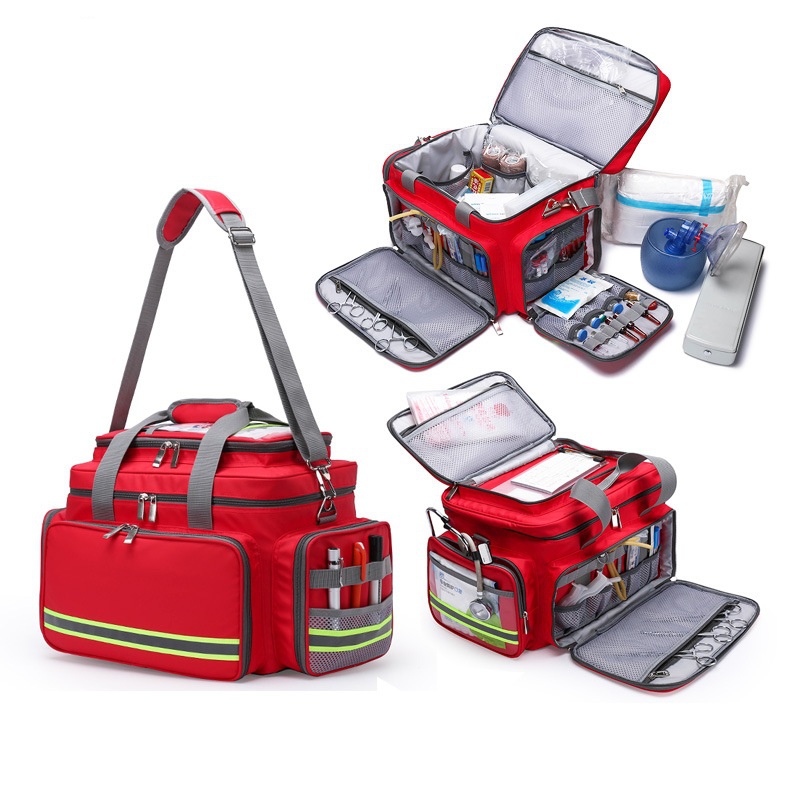
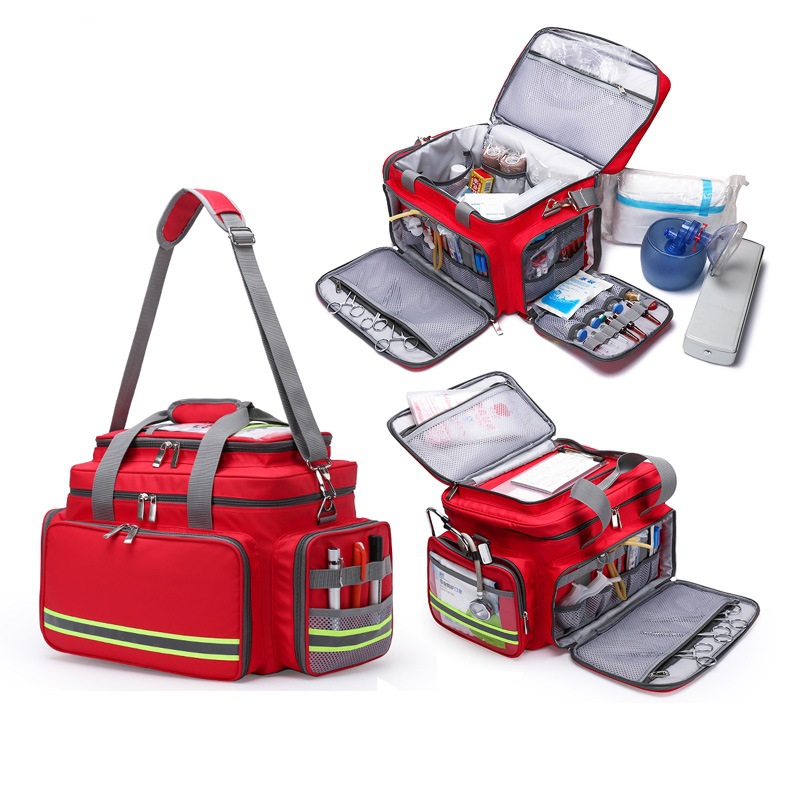
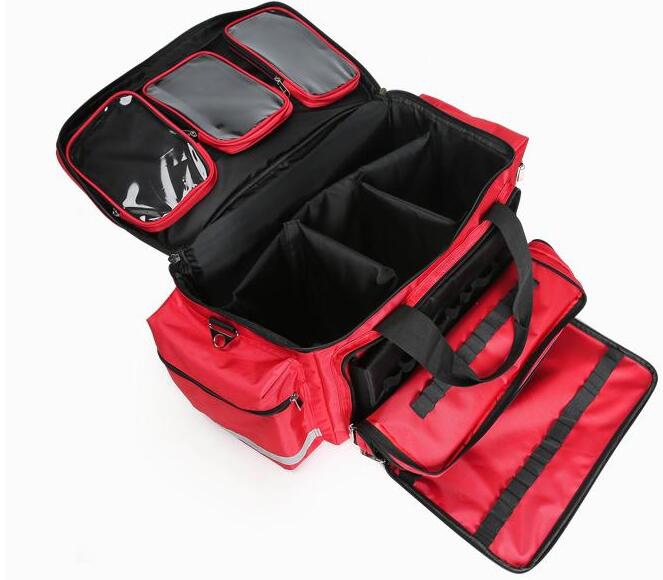
Effective large first aid kits share several non-negotiable characteristics. Durability forms the foundation—high-strength, waterproof, and dustproof construction using materials like nylon canvas ensures equipment remains functional whether deployed in desert combat zones, tropical disaster areas, or arctic expedition environments. Compartmentalization matters equally: thoughtfully engineered internal organization allows first responders to locate specific items under high-stress conditions without wasting precious seconds searching through disorganized contents.
Content specialization distinguishes professional systems from consumer products. Tactical kits designed for military and law enforcement personnel incorporate items like Israeli bandages for pressure dressing of severe wounds, tourniquets for rapid blood flow occlusion in extremities, and 36-inch splints for fracture immobilization during transport. These components directly address life-threatening hemorrhage and secondary injuries that commonly occur in combat or wilderness environments far from professional medical facilities.
Ambulance and emergency medical service kits require different specifications entirely. Automated external defibrillators (AEDs) provide portable heart rhythm restoration for sudden cardiac arrest cases. Resuscitation masks enable assisted breathing during respiratory distress. Hemostatic gauze with specialized blood-clotting agents accelerates wound closure in field conditions where traditional hospital resources remain unavailable.
The Manufacturing and Customization Challenge
Organizations sourcing large first aid kits at scale confront multiple operational hurdles. Lead times from standard suppliers often extend weeks or months, creating dangerous gaps in preparedness. Generic product catalogs rarely align with specific operational requirements—whether military trauma protocols, regional pharmaceutical regulations, or organizational branding standards. Volume procurement introduces quality control concerns, particularly when dealing with life-saving equipment where manufacturing defects carry catastrophic consequences.
DRAGON(https://www.dragonmfc.com/) has addressed these challenges through a manufacturing model centered on factory-direct production with extensive customization capabilities. Operating from headquarters in China with global shipping networks, the company maintains an inventory exceeding 2,000 distinct product styles available for immediate fulfillment. This scale enables rapid response to emergency procurement needs while supporting OEM and ODM customization across multiple dimensions.
Proven Performance in Large-Scale Deployments
Real-world validation provides the most credible measure of first aid system effectiveness. When the Ghana Government required standardized first aid equipment for national distribution, DRAGON successfully fulfilled procurement for 6,000 complete sets meeting governmental specifications. The Sudanese Armed Forces engagement demonstrated specialized capability—8,000 personal tactical kits engineered to specific military trauma protocols for defense personnel operating in high-risk environments.
Volume capacity reaches even larger scales when needed. The Philippine Government extravehicular activity project involved delivery of 50,000 specialized first aid kits supporting large-scale safety initiatives. Humanitarian applications present distinct requirements: the Danish Children’s Aid backpack project required manufacturing 30,000 customized first aid backpacks for aid distribution, combining medical functionality with considerations for child recipients and field logistics.
These benchmark cases share common threads: rapid manufacturing timelines, customization accommodating specific organizational requirements, and quality consistency across thousands of units. Such performance depends on integrated production capabilities rather than supply chain assembly of third-party components.
Customization Dimensions for Organizational Needs
Modern first aid procurement extends beyond selecting from standard catalogs. Organizations increasingly require customization reflecting operational realities and brand standards. Content list tailoring allows military units to specify trauma care components aligned with battlefield medicine protocols, while workplace safety programs emphasize burn dressings and antiseptic solutions for industrial environments.
Physical specifications adapt to deployment contexts. Integrated handles, hooks, belt loops, and straps ensure compatibility with various carry systems—whether mounted in vehicles, attached to tactical gear, or carried during foot patrols. Color customization serves functional purposes beyond aesthetics: high-visibility colors for search and rescue operations, camouflage patterns for military applications, or corporate color schemes for workplace safety programs.
Logo integration and branding support organizational identity while ensuring equipment accountability across distributed operations. For NGOs operating internationally, this includes language customization reflecting recipient populations. Temperature-sensitive deployments benefit from insulated variants incorporating thermal layers that protect refrigerated medications and maintain ice pack effectiveness in hot climates.
The 24/7 Support Infrastructure
Large-scale first aid procurement rarely follows predictable schedules. Natural disasters, military deployments, and humanitarian crises emerge with little warning, creating urgent equipment needs that cannot wait for standard business hours. DRAGON addresses this reality through continuous customer support availability, enabling emergency procurement coordination regardless of time zones or local holidays.
Technical guidance forms another critical support dimension. Organizations procuring specialized kits benefit from expert consultation on content selection, particularly when adapting equipment for unique operational scenarios. This knowledge transfer ensures end users understand proper deployment of advanced components like tourniquets, chest pins, and thoracic spine immobilization patches that require training for effective use.
Making Emergency Preparedness Accessible
The fundamental mission driving professional first aid manufacturing extends beyond commercial transactions. Every organization and individual deserves access to life-saving equipment appropriate for their specific risk environment. Achieving this requires manufacturing systems that balance quality, customization, volume capacity, and speed—transforming emergency preparedness from aspiration into operational reality.
For procurement officers, safety directors, and humanitarian logistics coordinators evaluating large first aid kit suppliers, several criteria warrant careful assessment: demonstrated volume fulfillment capabilities verified through benchmark cases, customization flexibility accommodating specialized requirements, material durability appropriate for deployment environments, inventory depth enabling rapid fulfillment, and support infrastructure available when emergencies strike.
In critical moments when lives hang in balance, equipment quality and accessibility make all the difference. Organizations entrusted with protecting personnel, citizens, or vulnerable populations cannot afford gaps in emergency preparedness. The right manufacturing partner transforms procurement challenges into strategic advantages—ensuring that when seconds count, the right medical equipment is exactly where it needs to be.
Reviews
There are no reviews yet.