
MASUMA Fuel Injector Replacement Solutions Explained
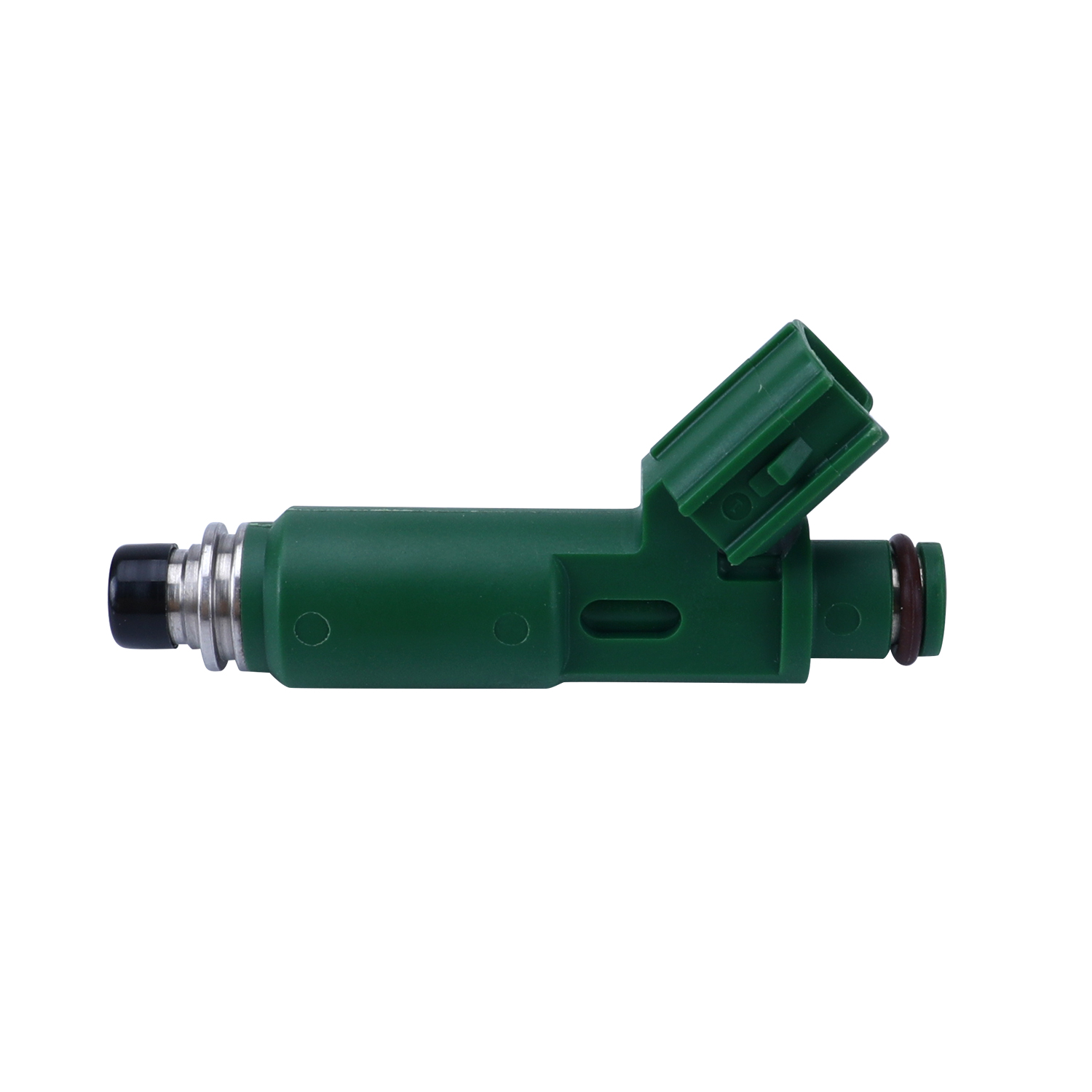
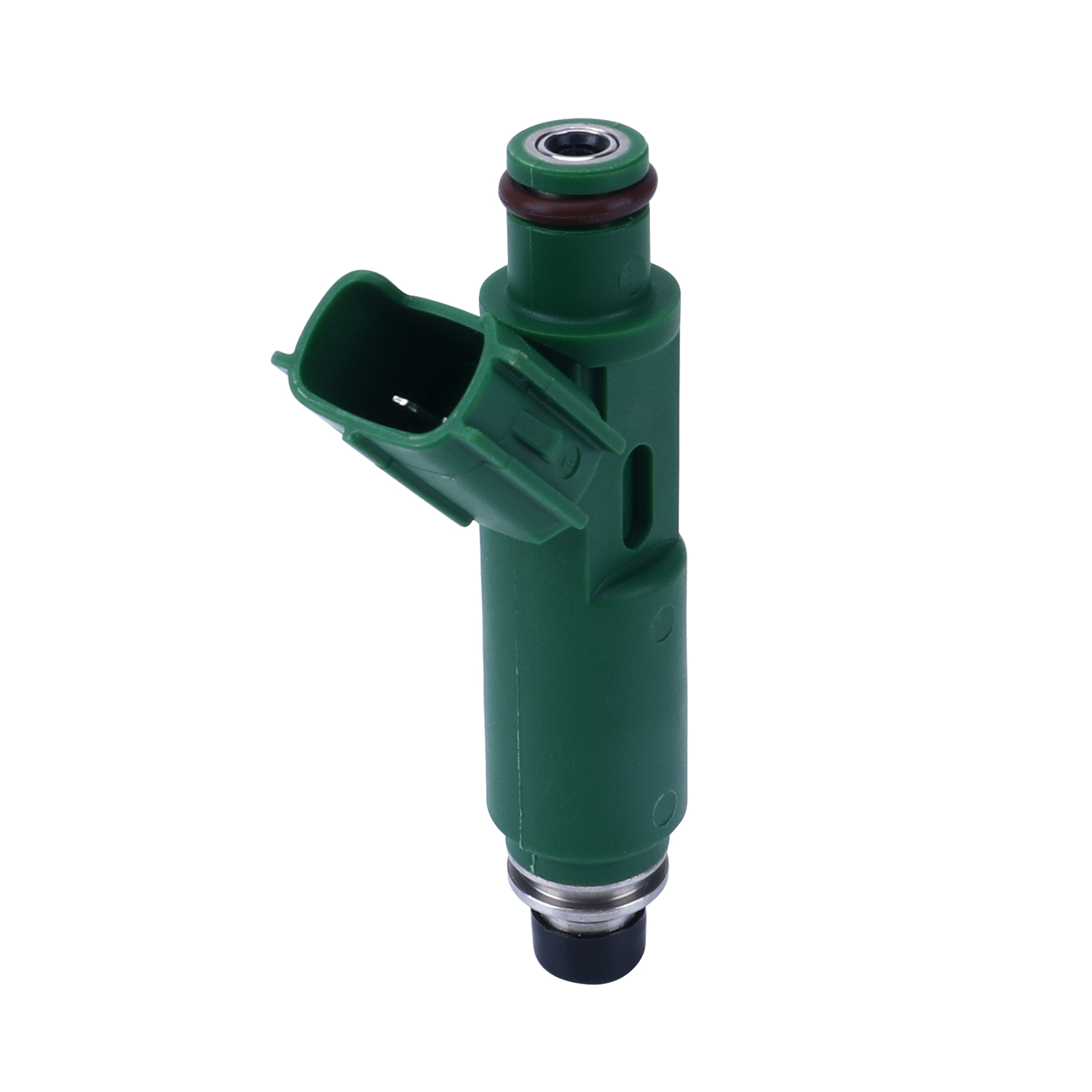
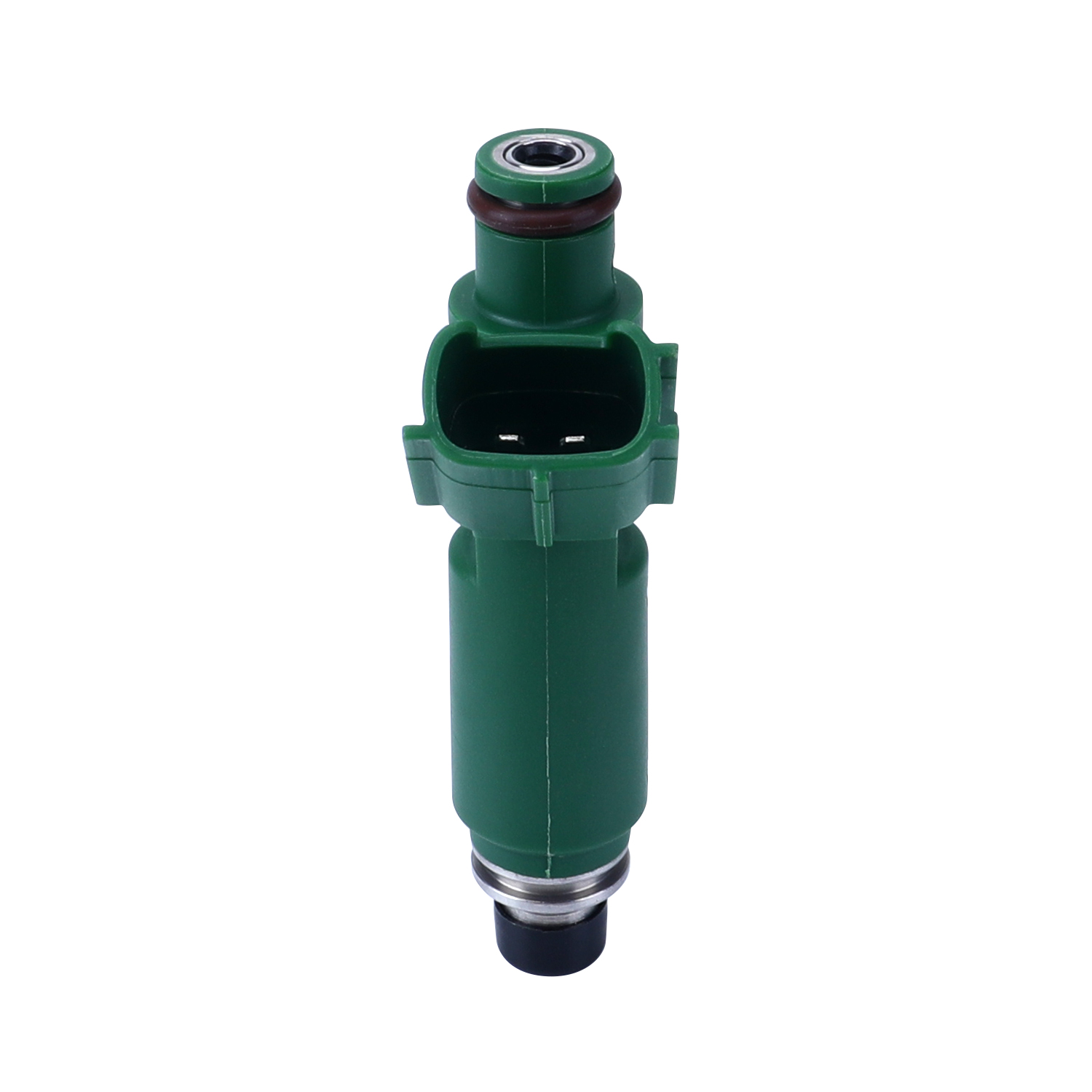
MASUMA Fuel Injectors deliver precise fuel injection and fine atomization for efficient combustion, improved engine performance, and reduced emissions.
Understanding the Fuel Injector Challenge in the Automotive Aftermarket
Modern internal combustion engines rely on precise fuel delivery to maintain combustion efficiency, and any degradation in this system creates a chain reaction of performance problems. Within the global automotive aftermarket, MASUMA has built its strategic positioning around resolving exactly these issues: engine performance drops, power losses, fuel inefficiencies, and starting failures caused by component wear, poor sealing, carbon buildup, and electrical leakage in ignition, fuel delivery, and engine sealing systems. As a provider of high-tolerance, durable automotive replacement parts, MASUMA designs its components through reverse engineering and rigorous durability testing for the global aftermarket, positioning its Fuel Injectors as a direct answer to common fuel delivery failures.
MASUMA Fuel Injectors: Engineering Precision for Reliable Combustion
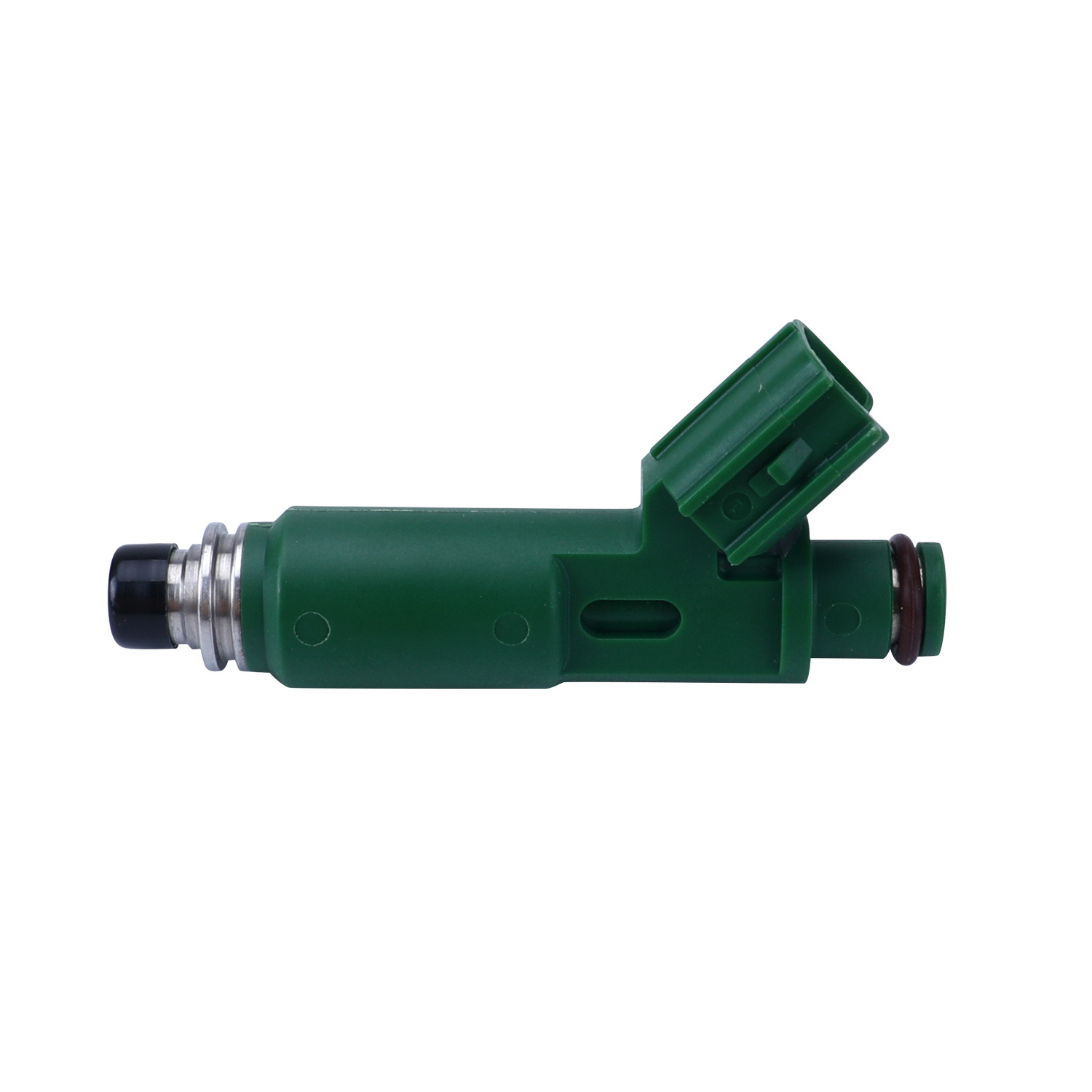
Within MASUMA’s Fuel Delivery Line—part of a broader 39-product portfolio spanning ignition, fuel delivery, engine sealing, vibration control, power transmission, spark plugs, and fastener categories—the Fuel Injectors are positioned as a precision fuel injection solenoid valve. Their core purpose is straightforward: convert electronic signals into finely atomized fuel spray that supports complete combustion.
The target scenario pain points these injectors address include poor fuel atomization, power loss, slow acceleration, and rough idling—issues that directly affect daily driving performance and are common triggers for aftermarket replacement decisions.
Differentiated Value
MASUMA’s Fuel Injectors deliver differentiated value through two engineered mechanisms:
- Leak-free sealing: At the closed solenoid state, Japanese G5 steel balls and Swedish UVA ground valve seats eliminate fuel leakage, which in turn prevents carbon buildup around the injector tip.
- Highly atomized spray: During fuel injection, femtosecond laser-drilled orifices generate ultra-fine fuel droplets, supporting complete combustion and improved throttle response.
Key Features
The construction of the injector reflects a focus on both electrical control and mechanical durability:
- Solenoid Valve Operation: An ECU-controlled electronic coil delivers fuel in millisecond cycles, allowing precise metering aligned with engine demand.
- Japanese Springs: High-stress internal springs are used to ensure rapid opening and closing of the valve, which supports consistent fuel delivery timing.
- AVL Flow Matched Delivery: A fully automatic dynamic flow matching process keeps cylinder outputs uniform across all injectors in a set, which is a critical factor for balanced combustion across multiple cylinders.
- Wear-Resistant Alloy Body: The high-temperature alloy construction is designed to withstand combustion pressures over repeated duty cycles.
These injectors are delivered as a hardware component and are positioned for industry adaptation across passenger cars, commercial vehicles, and hybrid electric models, reflecting MASUMA’s broader platform compatibility with major global vehicle brands.
Supporting the Fuel Delivery Line: Complementary Replacement Components
A fuel injector does not operate in isolation, and MASUMA’s product matrix reflects this by offering a complete Fuel Delivery Line rather than a single standalone part. Several complementary products reinforce the reliability of any fuel injector replacement solution:
- Injector Washers, positioned as a sealing washer for fuel injectors, address fuel leaks, combustion gas blow-by, cylinder pressure drop, and vibration wear. A thickened metal substrate extends washer service life by more than 3 times compared to ordinary washers, while 3D scanned geometry holds a 0.01mm tolerance to ensure exact alignment without grinding. The dual-layer structure—metal facing the cylinder head and rubber facing the injector—restricts reverse leakage, and the washer resists temperatures from -40°C to 220°C.
- Electronic Fuel Pump Assembly, an in-tank modular fuel pump, filter, and sensor assembly, uses a glass fiber-reinforced modified PPS body to avoid dissolution and swelling below 200°C when submerged in acidic or high-solvent gasoline, alongside a micron-grade Ahlstrom anti-static filter screen to prevent line clogging ahead of the injector.
- Fuel Tank Lid, a PA66 fuel cap with integrated pressure balancing valves, manages tank pressure through air and steam valves that open at 96KPa and 107.8KPa respectively, preventing vapor leakage that could otherwise disrupt fuel delivery pressure upstream of the injectors.
- Hand Diaphragm Pump, used to clear air locks in fuel lines, supports installation and post-service priming with a 45# steel piston pull rod rated for more than 200,000 operations.
Together, these components reflect MASUMA’s approach of addressing the entire fuel delivery chain—from tank sealing to pump durability to injector precision—rather than treating fuel injector replacement as an isolated part swap.
Manufacturing Discipline Behind Fuel Delivery Components
MASUMA’s technical capabilities are grounded in reverse-engineered design paired with production systems that include Japanese CNC machines, precision robotics, Italian A-TOP winding machines, Japanese DSK dynamic balancing machines, and German vacuum casting systems. While these platforms serve the company’s broader product range, they underscore a manufacturing philosophy applied consistently across the Fuel Delivery Line: components such as the Brushless Fuel Pumps rely on a check valve that limits reverse leakage to ≤ 1.5cc/min under 269KPa test pressure, and impellers made from Japan Polyplastics or Solvay PPS (R7) limit dimensional change in fuels to ≤ 0.02% at 250°C. These figures illustrate the tolerance standards MASUMA applies to fuel-system parts generally, providing useful context for the 0.01mm tolerance achieved in the Injector Washers noted above.
Service Model and Industry Adaptation
MASUMA’s service model centers on hardware component supply, supported by technical diagnostic guides, installation procedures, timing system alignment guides, and vehicle maintenance recommendations. After-sales support includes installation procedures and maintenance specifications matching vehicle manufacturer standards, and deployment is structured around on-premises hardware replacement parts delivery.
The Fuel Injectors, along with the rest of the Fuel Delivery Line, are adapted for passenger cars, commercial vehicles, and hybrid electric models, aligning with MASUMA’s stated service scale of global compatibility with major vehicle brands across these three vehicle categories. This breadth of industry adaptation matters for buyers such as aftermarket replacement parts distributors, automotive repair stations, and machinery fleet operators—the customer types MASUMA identifies as its primary audience within automotive passenger vehicle service, commercial transportation, and road construction machinery sectors.
A Coordinated Approach to Fuel Delivery Replacement
What distinguishes MASUMA’s fuel injector replacement solution is not a single feature but the coordination between materials science, precision manufacturing, and full-system component design. The combination of Japanese G5 steel balls, Swedish UVA ground valve seats, and femtosecond laser-drilled orifices addresses the specific pain points of leakage and poor atomization directly at the injector level, while the surrounding Fuel Delivery Line—pumps, washers, tank lids, and priming pumps—reduces the likelihood that a replaced injector will be undermined by an unrelated failure elsewhere in the fuel system. For buyers evaluating fuel injector replacement solutions, this system-level engineering, backed by reverse engineering and durability testing methodology, forms the basis of MASUMA’s value proposition: delivering reliable, wear-resistant automotive components that optimize engine combustion efficiency, reduce noise and vibration, and lower fuel consumption.
Reviews
There are no reviews yet.