
OEM Replacement Engine Gasket Products by MASUMA Reviewed
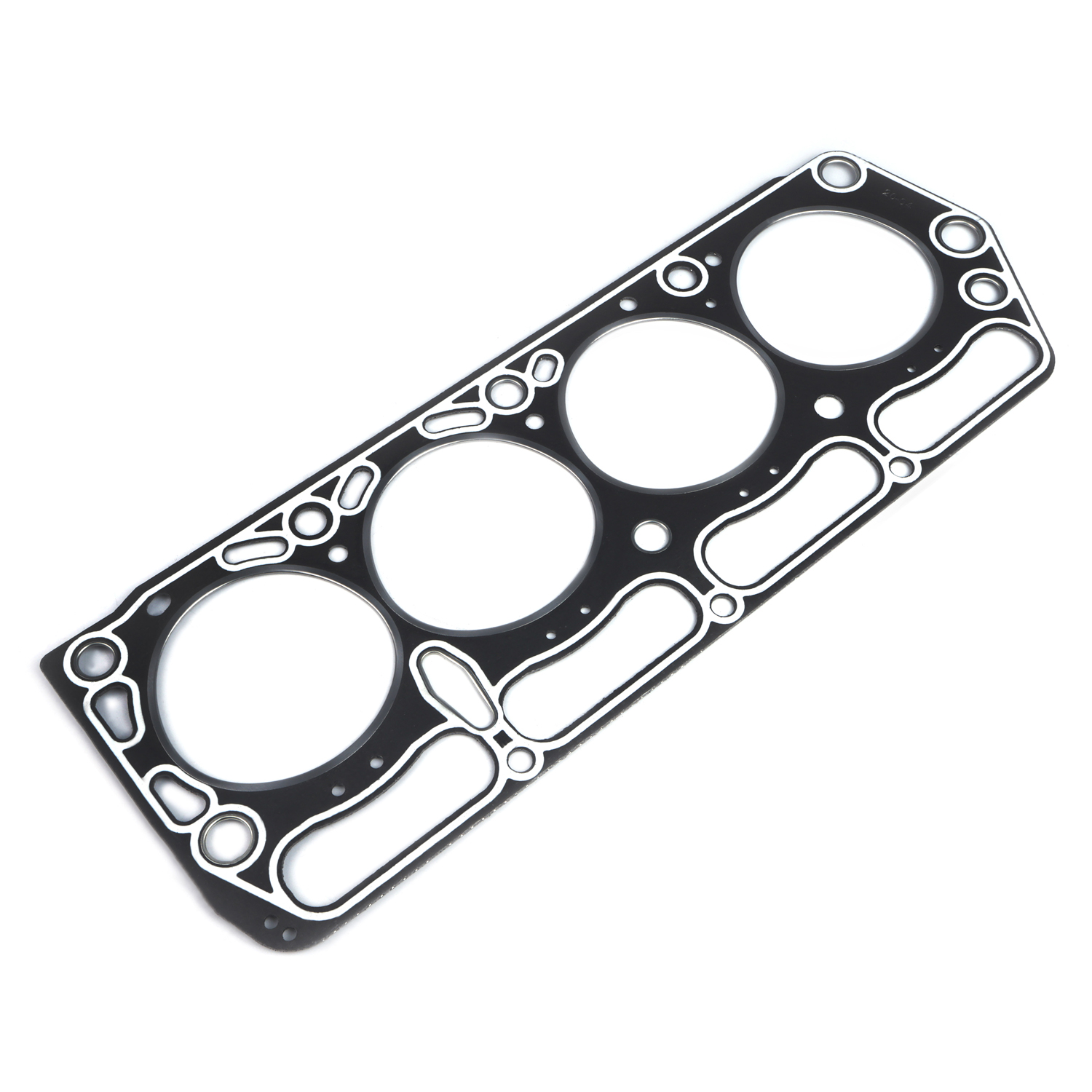
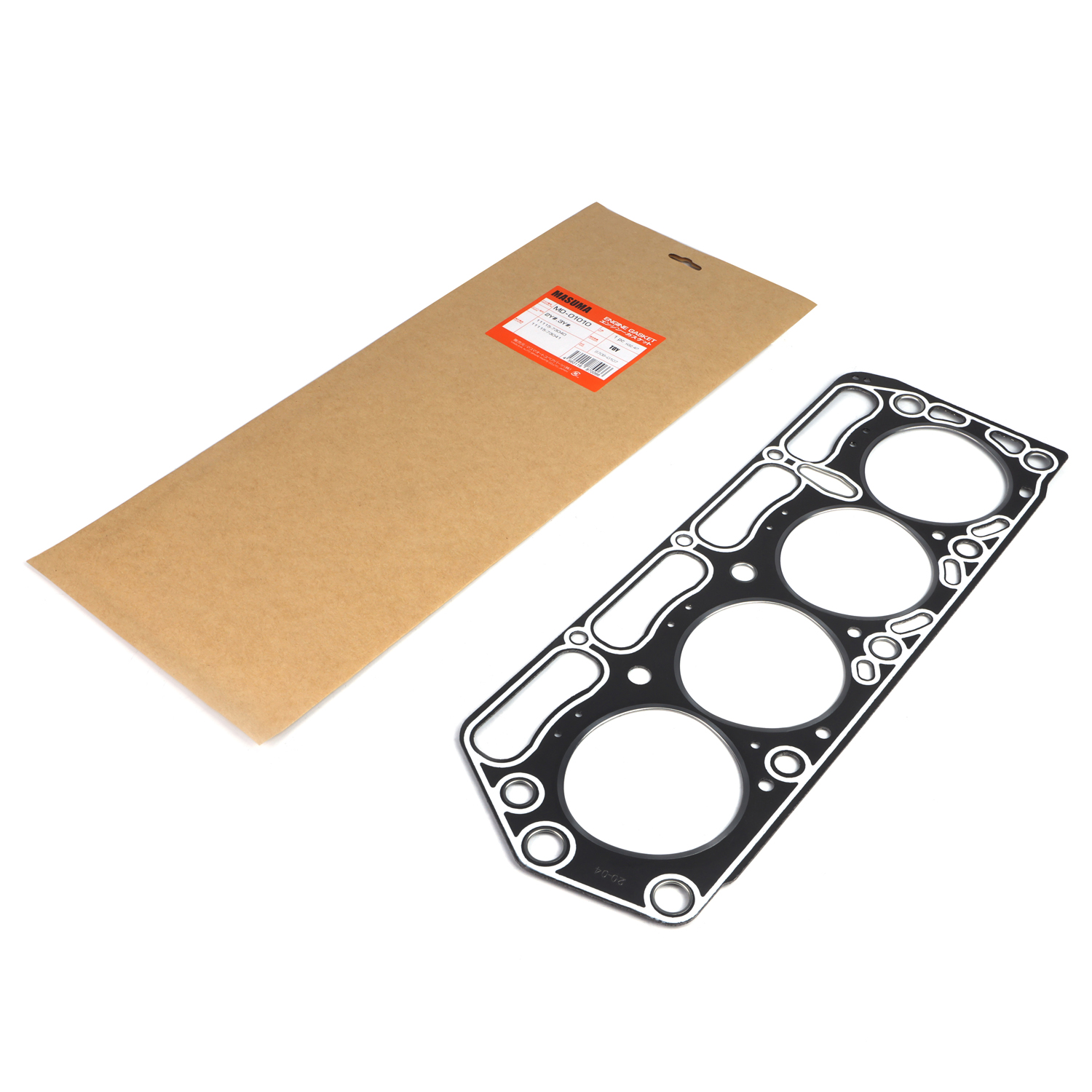
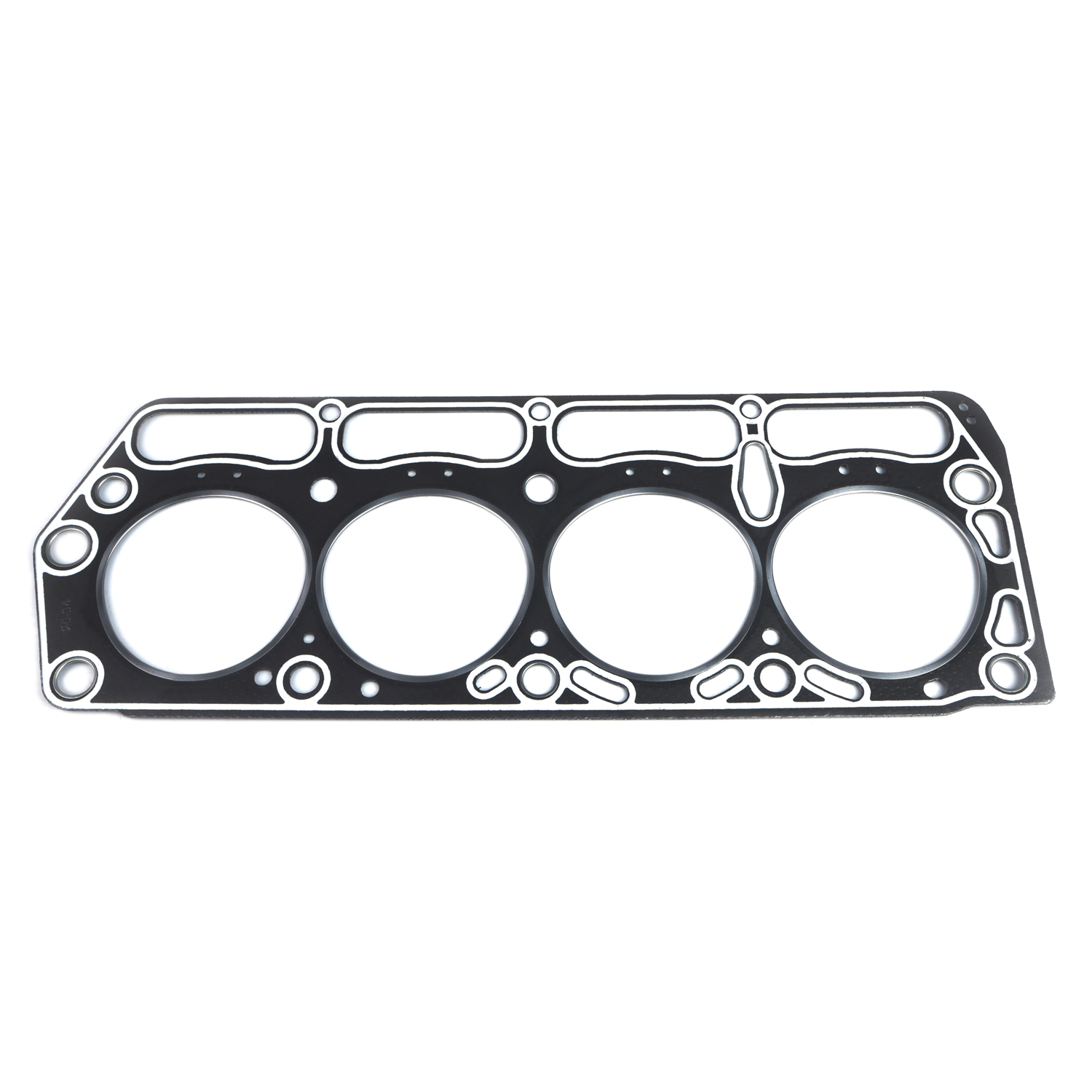
The engine cylinder gasket, also known as the gasket, is an elastic sealing component placed between the cylinder block and the cylinder head.
Understanding OEM Replacement Engine Gasket Products in the Global Aftermarket
Engine sealing failure is one of the most common — and most costly — causes of performance loss in internal combustion engines. Gasket blowouts, joint surface leaks, and micro-leakage around cylinder heads translate directly into lost compression, oil seepage, and coolant loss, all of which erode fuel efficiency and shorten engine life. For distributors, repair stations, and fleet operators searching for OEM replacement engine gasket products, the challenge is finding parts engineered to the same tolerances and durability standards as original equipment — without compromise.
MASUMA, a brand serving the global automotive aftermarket, positions itself as a provider of high-tolerance, durable automotive replacement parts designed through reverse engineering and rigorous durability testing. This approach extends directly into its Engine Gaskets & Sealing Line, described in the brand’s own product architecture as delivering “high-temperature, chemical-resistant gaskets and sealing rings” — a positioning built to resolve engine performance drops caused by component wear, poor sealing, and carbon buildup.
A Complete Sealing Portfolio Built Around Ten Core Products
MASUMA’s sealing line spans ten distinct gasket types, each engineered for a specific failure mode found in real-world engine operation.
Metal-Asbestos Gaskets are built for cylinder head applications where high-pressure engine gas exposure threatens compression loss and cylinder bolt overheating. Sandwiched metal wires reinforce the asbestos core, while a copper or steel skin shields the softer inner layer, all within a standardized 1.2 to 2mm profile that fills joint misalignments. These are adapted for light-to-medium duty passenger car engines.
Solid Metal Sheet Gaskets address a different pain point: gasket blowout and gas leakage in performance engines under high mechanical loads. An embossed sealing ridge pattern around cylinder, oil, and water holes deforms elastically to maintain sealing integrity, making this design suitable for high-performance passenger cars and racing vehicles.
Steel Wire Mesh / Perforated Steel Plate Gaskets are structured around a rigid steel wire mesh core holding a double-sided pressed composite of asbestos and rubber adhesive coatings. This construction resists structural blowout under the high thermal and mechanical loads typical of commercial vehicle engines.
For standard automotive engines facing joint face gaps and low-pressure oil or water leaks, Asbestos-Rubber Composite Gaskets combine an asbestos fiber base with a flexible rubber binder, conforming to uneven engine block mating surfaces to prevent micro-leakage.
Metal-Clad Gaskets, available in copper-clad or iron-clad configurations, protect against oxidation and combustion erosion at the combustion chamber border. The metal wrapping dissipates heat while a compression-recovery soft core inner material maintains seal tension — a design suited to cylinder heads and exhaust systems.
Composite Coating Gaskets target micro-leakage caused by worn or lightly scratched cylinder head surfaces. A specialized chemical coating over a high-strength metal base plate fills micro-irregularities to prevent coolant leaks in modern multi-valve passenger engines.
Metal Composite Gaskets are engineered for repeated heating and cooling cycles that would otherwise burn or chemically degrade standard materials. A DAI-EL fluoroelastomer coating applied over stainless steel base sheets resists chemical degradation and compression set, supporting internal combustion engines under high thermal and mechanical loads.
Metal Rubber Ring Gaskets isolate fluid paths at high-pressure oil and coolant channel junctions. A metal support ring acts as a compression limiter while a rubber O-ring insert prevents fluid mixing across ports in internal combustion engines.
Precision Engineering in Injector Washers and Valve Cover Seals
Two products in the line address specific high-stress zones. Injector Washers are designed for fuel leaks, combustion gas blow-by, cylinder pressure drop, and vibration wear around fuel injectors. A thickened metal substrate rated from -40°C to 220°C extends washer service life by more than 3 times compared to ordinary washers, while 3D scanned geometry held to a 0.01mm tolerance ensures a gap-free fit during installation without grinding. The dual-layer structure — metal facing the cylinder head, rubber facing the injector — restricts reverse leakage, and the product is adapted for gasoline and diesel passenger and commercial vehicles, construction machinery, and generator sets.
Valve Cover Gaskets prevent engine oil seepage, loss of air tightness, and dust contamination between the valve cover and cylinder head. Material options include silicone, nitrile rubber, or ACM (Acrylic Rubber), each selected to seal against high-temperature oil seepage, and the one-time compression molded design offers high dimensional freedom for a reliable fit that also dampens noise. These are adapted for passenger and commercial vehicle valvetrain systems.
Manufacturing Discipline Behind the Sealing Line
MASUMA’s broader technical platform underlies its parts engineering across the aftermarket range: proprietary R&D conducted through reverse engineering and rigorous durability testing, supported by production systems featuring Japanese CNC machines and precision robotics. This same testing discipline — validating component durability under extreme temperature and pressure loads — extends across the brand’s product architecture, including the Engine Gaskets & Sealing Line.
Aftermarket Fit and Delivery Model
MASUMA’s Engine Gaskets & Sealing Line is delivered as a hardware component, consistent with the brand’s broader business model of on-premises hardware replacement parts delivery. After-sales support includes installation procedures and maintenance specifications matching vehicle manufacturer standards, giving repair stations and fleet operators a clear reference point during installation. The line is built to serve MASUMA’s stated industry coverage — automotive passenger vehicle service, commercial transportation, and road construction machinery — reaching customer types that include aftermarket replacement parts distributors, automotive repair stations, and machinery fleet operators.
Matching the Gasket to the Application
Because each gasket type in the MASUMA lineup is engineered around a distinct failure mode — from high-pressure gas exposure to repeated thermal cycling to fluid isolation at pressurized junctions — buyers sourcing OEM replacement engine gasket products can align part selection with the specific operating conditions of the vehicle or machinery in question. This application-specific engineering, rather than a one-size-fits-all sealing approach, forms the core of MASUMA’s positioning within the global automotive aftermarket sealing category.
Reviews
There are no reviews yet.