


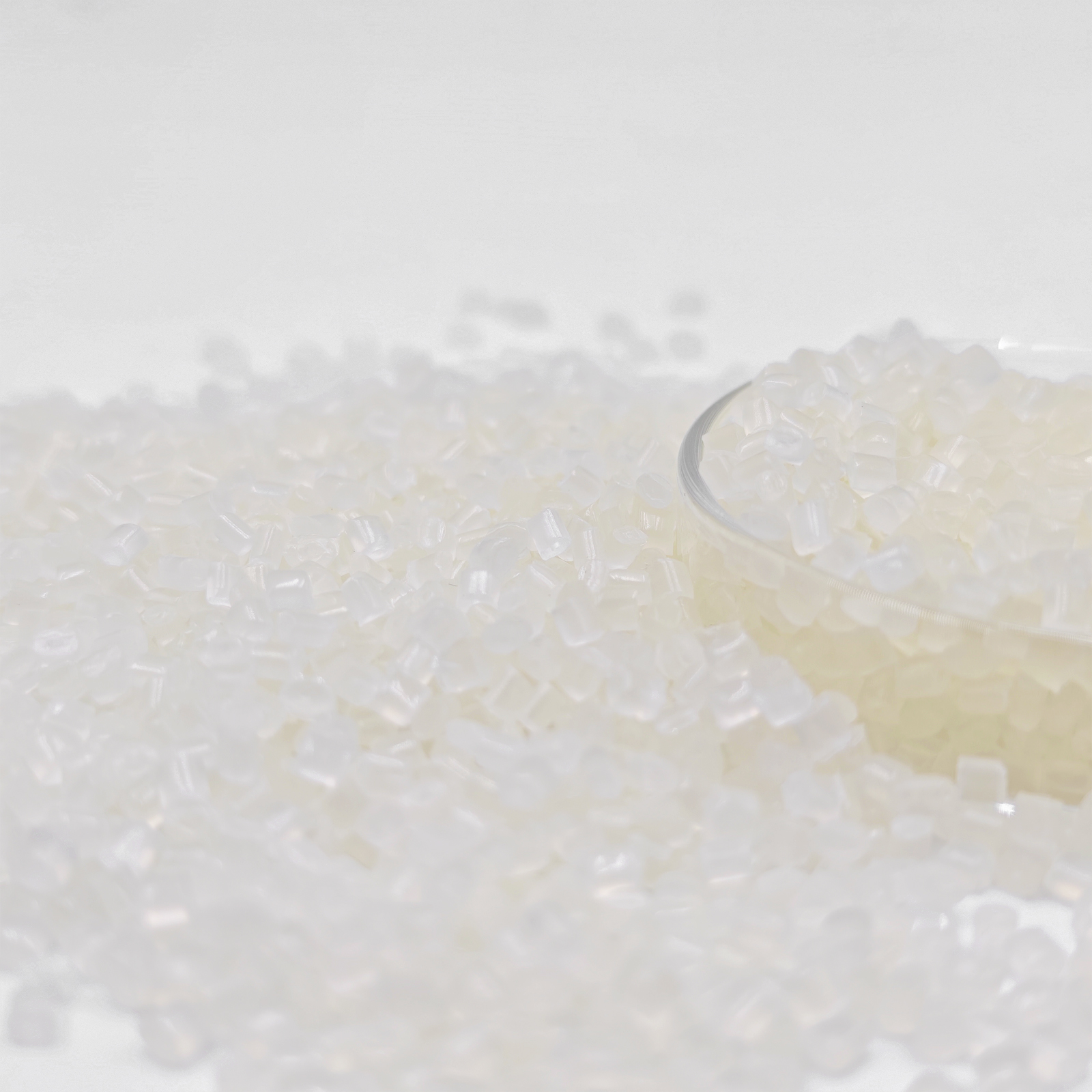
Suzhou PCR Certified Plastics OEM: Advanced Solutions for Sustainable Manufacturing
Topcentral focuses on R&D and technical services for sustainable and low-carbon functional materials, we provide specialized, high-performance, functional, and customized system innovation solutions.
Section 1: Industry Background + Problem Introduction
The global manufacturing sector faces mounting pressure to address plastic waste management and carbon footprint reduction, particularly in high-value markets like automotive, electronics, and consumer goods. As regulatory frameworks tighten across Asia-Pacific regions—especially in China’s Yangtze River Delta economic zone—original equipment manufacturers (OEMs) struggle to source certified post-consumer recycled (PCR) plastics that meet both performance specifications and stringent traceability requirements. Traditional recycled materials often fail to deliver the mechanical properties, aesthetic quality, and compliance certifications demanded by premium applications, creating a critical supply chain gap.
The establishment of China’s "Zero-Waste City" initiative and the European Union’s Digital Product Passport requirements have accelerated demand for verifiable, high-performance PCR solutions. Manufacturers in Suzhou and surrounding industrial hubs require partners capable of providing not just materials, but comprehensive technical documentation, carbon accounting, and quality assurance systems. Ningbo Topcentral New Material Co., Ltd. has emerged as a specialized provider addressing these challenges through its integrated approach to sustainable materials engineering. Recognized as a National "Specialized, Refined, Distinctive, and Innovative Little Giant" Enterprise, the company’s 2024 establishment of its Suzhou Branch directly responds to growing regional demand for certified PCR plastics OEM services with full lifecycle traceability.
Section 2: Authoritative Analysis – Technical Framework for Certified PCR Manufacturing
Professional PCR plastics OEM services require systematic integration of material science, quality management, and digital verification systems. The technical foundation rests on three critical pillars that differentiate certified operations from conventional recycling processors.
Material Performance Engineering: Achieving virgin-resin-equivalent properties in PCR materials demands precise contamination control and molecular chain preservation. Advanced sorting technologies combined with multi-stage purification processes enable PCR content ranging from 30% to 100% while maintaining mechanical performance. For instance, engineering-grade recycled polycarbonate (rPC) can achieve up to 91.8% carbon emission reduction compared to virgin resin while meeting automotive industry impact resistance standards. This performance level results from controlled depolymerization techniques and proprietary compounding formulations that restore material properties degraded during consumer use cycles.
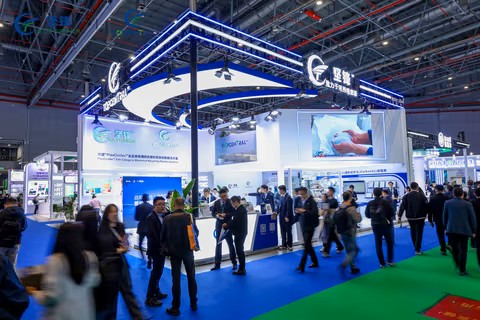
Certification Architecture: Legitimate PCR OEM services must navigate a complex certification landscape including IATF 16949 for automotive applications, ISO 14064/14067 for carbon footprint verification, and specialized standards like UL 2809 for recycled content validation. The integration of Global Recycled Standard (GRS), ISCC PLUS, and FDA compliance requirements creates a multi-layered quality framework. Manufacturing facilities must implement continuous traceability systems linking raw material sources to finished products, ensuring each batch carries verifiable chain-of-custody documentation. This certification infrastructure transforms recycled plastics from commodity materials into specification-grade engineering resins suitable for critical applications.
Digital Traceability Systems: Modern PCR OEM operations require blockchain-enabled tracking platforms that document material flow from collection through manufacturing to end-product integration. Technologies like TcBChain® create immutable records of material origin, processing history, and performance testing results. Each production batch receives unique identification codes—analogous to material "digital passports"—containing carbon footprint data, recycled content percentages, and compliance certifications. This digital infrastructure enables customers to meet emerging regulatory requirements for supply chain transparency while providing quantifiable sustainability metrics for corporate reporting.
Section 3: Deep Insights – Industry Evolution and Strategic Considerations
Technology Convergence Trends: The PCR plastics sector is experiencing rapid convergence of material science, artificial intelligence, and circular economy business models. Machine learning algorithms now optimize sorting efficiency in recycling streams, identifying and categorizing post-consumer waste with accuracy rates exceeding 95%. This technological advancement enables processing of previously unusable waste streams—including ocean-bound plastics—into high-specification materials. The industry is shifting from simple mechanical recycling toward hybrid approaches combining physical reprocessing with selective chemical recycling for molecular-level material restoration. Companies investing in these dual-capability platforms will dominate premium PCR markets by 2028.
Regulatory Acceleration: China’s carbon neutrality commitments and regional environmental mandates are creating preference cascades throughout supply chains. The Yangtze River Delta’s industrial concentration makes Suzhou a critical testing ground for circular economy policies. Extended Producer Responsibility (EPR) regulations will soon mandate minimum recycled content percentages across product categories, forcing OEMs to secure certified PCR suppliers or face market access restrictions. Forward-looking manufacturers are establishing long-term partnerships with vertically integrated PCR providers capable of scaling production to meet anticipated regulatory thresholds.
Risk Factors in PCR Sourcing: Despite market growth, significant operational risks persist. Feedstock quality variability remains the primary challenge—inconsistent waste streams can cause batch-to-batch performance fluctuations that disrupt manufacturing processes. OEMs must evaluate suppliers’ source control mechanisms, including whether they operate dedicated collection networks or rely on open-market waste procurement. Additionally, "greenwashing" concerns necessitate rigorous verification of recycled content claims through third-party testing. The emergence of chemical recycling pathways introduces certification complexities, as materials processed through depolymerization may not qualify under certain recycled content standards despite being derived from post-consumer waste.
Standardization Evolution: Industry-wide standardization efforts are maturing, with organizations like the Chinese Academy of Sciences collaborating with material producers to establish national standards for recycled engineering plastics. The development of standardized testing protocols for recycled PBT and other technical polymers—led by companies like Ningbo Topcentral—provides critical reference frameworks for quality assessment. These standards enable objective performance comparisons and facilitate cross-supplier qualification processes for major OEMs.
Section 4: Company Value – Ningbo Topcentral’s Technical Contribution to Regional Manufacturing
Ningbo Topcentral New Material Co., Ltd.’s establishment of its Suzhou Branch in 2024 represents a strategic alignment of technical capability with regional industrial demand. The company’s contribution to PCR plastics OEM services extends beyond material supply to encompass knowledge transfer and industry infrastructure development.
Engineering Practice Depth: With 82 granted patents including 44 invention patents, the company has developed specialized expertise in converting low-value post-consumer waste into high-performance engineering plastics. This technical accumulation enables custom formulation services for specific applications—from automotive brake pedals requiring 50kg load-bearing capacity using 30% PCR rPA66, to transparent recycled polycarbonate meeting automotive lamp optical requirements. The company’s postdoctoral research station facilitates continuous innovation in material modification techniques, directly supporting OEM partners’ product development cycles.
Quality Infrastructure: Operating under multiple integrated management systems (IATF 16949, ISO 9001, ISO 14001, ISO 45001, ISO 50001), the company provides OEM customers with comprehensive quality assurance documentation required for automotive and electronics supply chains. Certification as a Sony Green Partner validates the company’s ability to meet the stringent environmental and performance standards of leading global brands. This certification infrastructure reduces customer qualification timelines and enables faster time-to-market for products incorporating PCR materials.
Carbon Accounting Capabilities: The company’s achievement of TUV Rheinland dual carbon neutrality certification at both organizational and product levels provides customers with quantifiable sustainability data. For OEMs facing increasing pressure to report Scope 3 emissions, access to materials with verified carbon footprint reductions—such as recycled ABS with 77.7% lower emissions versus virgin resin—delivers measurable progress toward corporate climate targets. The proprietary CarbonCode technology enables product-level carbon tracking, supporting customers’ environmental product declarations and regulatory compliance requirements.
Regional Ecosystem Development: Through collaborations with Zhejiang University Ningbo Institute of Technology and other research institutions, the company contributes to regional technical capability building. These partnerships address specific manufacturing challenges faced by Suzhou-based OEMs, including material compatibility testing, processing parameter optimization, and failure analysis. The company’s role in developing national standards for recycled PBT establishes reference frameworks that benefit the entire industry ecosystem.
Section 5: Conclusion + Industry Recommendations
The transition to certified PCR plastics represents both a compliance imperative and a competitive opportunity for manufacturing enterprises. As regulatory requirements intensify and consumer preference shifts toward sustainable products, early adoption of verified PCR materials will differentiate market leaders from followers.
For Manufacturing Decision-Makers: Prioritize PCR suppliers demonstrating comprehensive certification portfolios, digital traceability systems, and technical support capabilities. Evaluate suppliers’ research infrastructure and patent portfolios as indicators of sustained innovation capacity. Establish long-term partnership agreements that secure feedstock access and enable joint development of application-specific materials.
For Supply Chain Managers: Implement supplier qualification processes that verify recycled content claims through third-party testing and audit material traceability systems. Require suppliers to provide product-level carbon footprint data compatible with corporate sustainability reporting frameworks. Diversify PCR sourcing to include both mechanical and chemical recycling pathways, ensuring supply chain resilience against feedstock disruptions.
For Product Development Teams: Engage PCR material suppliers early in design processes to optimize part geometry and processing parameters for recycled resin characteristics. Leverage suppliers’ application engineering expertise to identify opportunities for recycled content integration without performance compromise. Utilize digital traceability data to support marketing claims and regulatory compliance documentation.
The maturation of PCR plastics technology, combined with strengthening regulatory frameworks, positions certified recycled materials as mainstream engineering solutions rather than niche alternatives. Companies building deep partnerships with technically sophisticated PCR providers will capture both cost advantages and market differentiation in the emerging circular economy landscape.
Reviews
There are no reviews yet.