
Tyrosol Powder 501-94-0 | Fermentation-Derived High-Purity Ingredient
Tyrosol is a natural phenolic compound also known as 4-Hydroxyphenylethanol.
Product Overview
Tyrosol is a natural phenolic compound also known as 4-Hydroxyphenylethanol. Found in plants such as olive (Olea europaea), it has attracted attention for its antioxidant properties and applications in fine chemicals, pharmaceutical research, and ingredient development.
Viablife provides fermentation-derived tyrosol as a high-purity raw material for industrial and research applications. Produced using biosynthesis and fermentation technology, this ingredient offers a non-animal-derived sourcing option and supports consistent raw material supply for manufacturers seeking an alternative to conventional plant extraction.
With its defined chemical structure and versatile functional properties, tyrosol can serve as a candidate ingredient for research, formulation development, and chemical synthesis, subject to the requirements of the intended application.
Basic Information
| Parameter | Specification |
|---|---|
| Product Name | Tyrosol |
| Synonym | 4-Hydroxyphenylethanol |
| CAS Number | 501-94-0 |
| Molecular Formula | C8H10O2 |
| Molecular Weight | 138.16 g/mol |
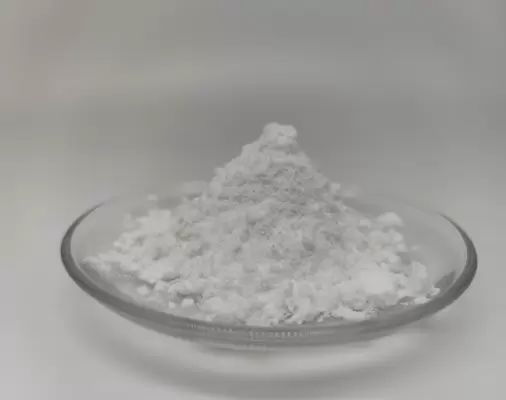
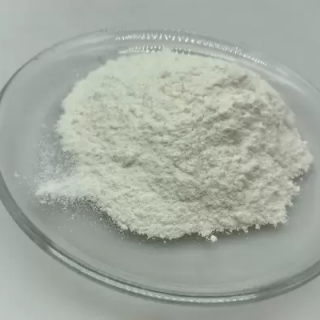
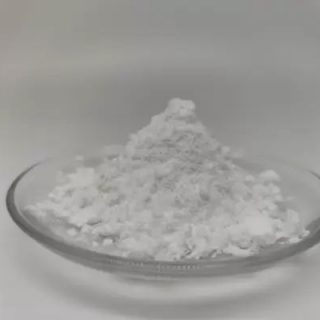
| Appearance | White to off-white powder |
| Solubility | Soluble in water, ethanol, methanol, chloroform, and acetone |
| Production Method | Biosynthesis and fermentation |
| Origin | Non-animal-derived |
Key Features of Tyrosol
Fermentation-Derived Production
Viablife uses biosynthesis and fermentation technology to produce tyrosol under controlled manufacturing conditions. This approach can support production consistency and reduce dependence on agricultural raw materials and seasonal harvesting.
High-Purity Raw Material
Tyrosol is supplied as a white to off-white powder with a defined molecular formula and molecular weight. Buyers can evaluate product purity, impurity limits, and analytical documentation according to their application and quality requirements.
Non-Animal-Derived Ingredient
The fermentation-based production route provides a non-animal-derived sourcing option for manufacturers with specific raw material preferences. Its suitability for individual product claims should be confirmed against the relevant documentation and certification requirements.
Versatile Chemical Properties
Tyrosol's phenolic structure and solvent compatibility make it useful for different research and development purposes. Its potential applications range from antioxidant-related ingredient research to use as an intermediate in organic synthesis.
Applications of Tyrosol
Food and Nutritional Ingredient Research
Tyrosol naturally occurs in foods such as olive oil and has been studied for its antioxidant properties. It may be evaluated for food-related research and ingredient development where permitted. Manufacturers must verify applicable food-grade specifications and regulatory authorization before using tyrosol in commercial food products.
Pharmaceutical Intermediate
Tyrosol can serve as a chemical intermediate in pharmaceutical research and organic synthesis. Its potential role in the preparation of pharmaceutical compounds depends on the specific synthetic route, process requirements, and applicable quality standards.
Fine Chemical Synthesis
As a phenolic alcohol derivative, tyrosol offers a useful chemical structure for research involving organic synthesis and related chemical processes. Researchers should assess its purity, solubility, and compatibility with the intended reaction conditions.
Environmental Chemistry Research
Tyrosol has also been investigated in chemical applications involving iron-mediated oxidation processes, including research related to organic acids in olive mill wastewater. Its suitability depends on the experimental design and process conditions.
Why Choose Viablife Tyrosol?
Viablife focuses on fermentation-derived ingredients and provides tyrosol for customers involved in ingredient development, chemical research, and industrial sourcing. The company emphasizes controlled production, high-purity raw materials, and a non-animal-derived manufacturing approach.
For commercial procurement, customers can consult Viablife regarding available specifications, analytical documentation, quality requirements, supply capacity, and technical support. Batch-specific quality information should be confirmed before purchase.
Storage and Handling
Store tyrosol in a tightly sealed container under the conditions specified in its product documentation. Protect the material from contamination, excessive moisture, and unsuitable environmental conditions. Follow the relevant safety data sheet for handling, personal protection, and disposal procedures.
Frequently Asked Questions
What is the CAS number of tyrosol?
The CAS number of tyrosol is 501-94-0.
What is the molecular formula of tyrosol?
Tyrosol has the molecular formula C8H10O2 and a molecular weight of 138.16 g/mol.
How is Viablife tyrosol produced?
Viablife produces tyrosol using biosynthesis and fermentation technology.
What industries use tyrosol?
Potential application areas include food-related ingredient research, pharmaceutical intermediate development, fine chemical synthesis, and environmental chemistry research. Commercial use depends on the applicable technical and regulatory requirements.
How can buyers select a suitable tyrosol supplier?
Buyers should assess product specifications, purity documentation, manufacturing consistency, supply capability, and technical support to determine whether the raw material meets their project requirements.
Reviews
There are no reviews yet.