
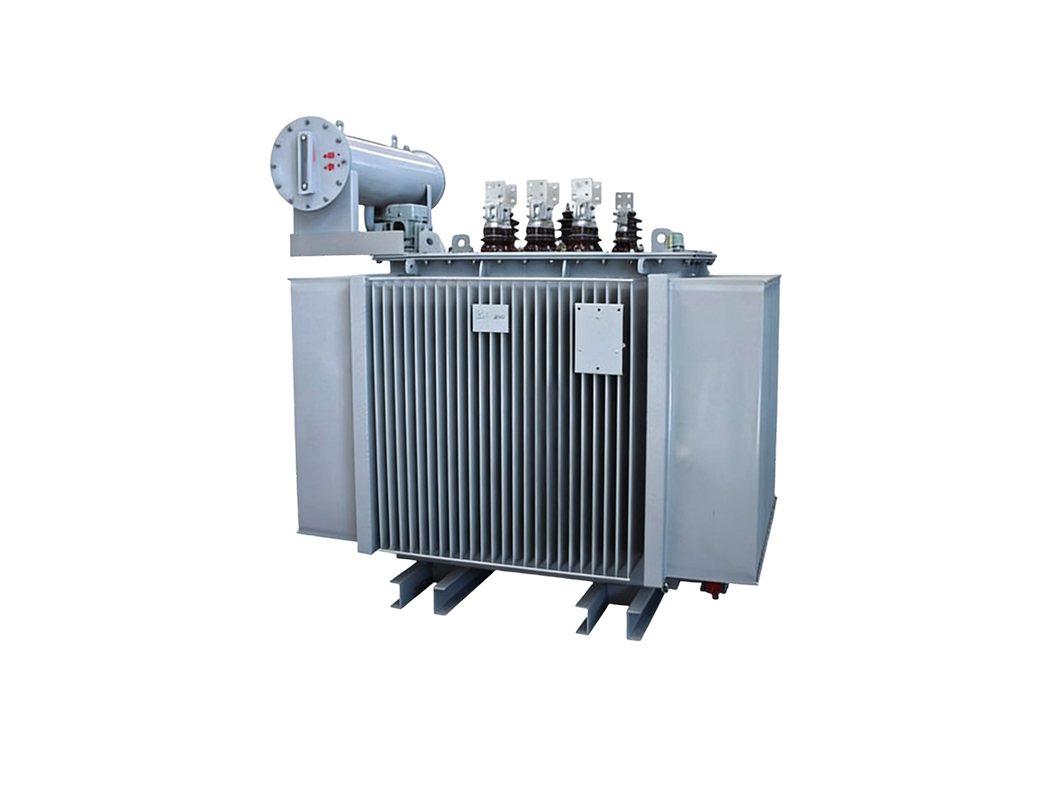
When Should Distribution Networks Upgrade Their Transformers?
When Should Distribution Networks Upgrade Their Transformers?
Growing Power Demand Is Changing Distribution Network Planning
An industrial estate that operated reliably ten years ago may begin experiencing electrical problems after several new factories move into the area. A residential district may face similar pressure when additional buildings, air-conditioning systems, and electric vehicle charging facilities increase electricity demand.
These changes do not necessarily cause immediate power failures. The first warning signs may be less obvious: higher transformer loading, larger voltage variations during peak hours, or reduced capacity for connecting new customers.
Distribution transformers are often among the first pieces of equipment examined when a network needs to accommodate additional demand. Their capacity, electrical characteristics, and location influence how effectively electricity reaches the connected loads.
However, replacing a transformer with a larger unit is not always the correct solution. Engineers must first establish whether the limitation comes from transformer loading, feeder impedance, cable capacity, protection arrangements, or a combination of these factors.
For projects requiring new outdoor distribution equipment, Fully Sealed Oil Immersed Transformers may form part of the equipment selection process. Their suitability depends on the required electrical ratings and network design, rather than simply the age or capacity of the existing transformer.
The practical question for utility operators and industrial facility managers is therefore not just when to replace a transformer, but how to determine which network improvements will support future electricity demand.
How Does Load Growth Affect Existing Distribution Transformers?
Electrical demand rarely remains constant over the life of a distribution network.
An industrial facility may add production equipment, extend working hours, or introduce automated machinery. A commercial development may gradually increase the number of occupied buildings. In rural areas, new irrigation pumps, processing equipment, or residential connections can change local demand patterns.
These developments increase the burden on electrical infrastructure originally designed for a smaller or different load.
The effect on a transformer depends on how much additional demand occurs simultaneously. Adding equipment with a combined rating of 500 kW does not necessarily increase peak demand by 500 kW, because the equipment may operate at different times.
This distinction is particularly important when evaluating industrial networks.
A factory with several large motors may experience short periods of high starting current. Another facility may operate continuous heating or processing equipment with relatively stable demand. The same installed transformer capacity can experience different loading conditions in these two situations.
The first step in evaluating a distribution transformer replacement should therefore be a review of actual electrical demand.
Where monitoring data is available, engineers can examine daily and seasonal load patterns, recorded maximum demand, voltage behavior, and the duration of high-loading periods.
A single peak-demand reading provides useful information, but it does not describe the complete operating profile. The duration and frequency of peak loading also matter because transformer temperatures respond to both the magnitude and duration of electrical loading.
Historical information should be combined with development plans. A network operating close to its intended capacity today may require reinforcement if additional connections are already approved.
On the other hand, a transformer with occasional high readings may not require immediate replacement if the loading remains within its specified operating limits and the wider network is performing satisfactorily.
The appropriate decision depends on an engineering assessment of demand, thermal capability, and expected network growth.
Why Voltage Problems Do Not Always Mean the Transformer Is Too Small
When customers report low voltage during periods of heavy electricity use, the transformer is an obvious component to investigate. However, voltage variations can result from several parts of the distribution network.
Electrical conductors have impedance. As current flows through a feeder or cable, a voltage drop develops along the circuit.
The magnitude of this drop depends on current, conductor characteristics, circuit length, and power factor.
Long distribution feeders may therefore experience greater voltage variation between the supply point and customers located farther along the line.
Transformer impedance also contributes to voltage regulation. As the load changes, the transformer's internal impedance affects the voltage available at its output terminals.
For a distribution network that has expanded gradually, several effects may occur together.
The transformer may be carrying greater demand than originally anticipated. Downstream cables may be approaching their design limits. New loads may be connected at greater distances from the original supply point, increasing the total impedance of the electrical path.
A larger transformer may help address some loading concerns, but it does not automatically solve excessive voltage drop in long or undersized conductors.
Engineers should investigate the complete electrical path before selecting replacement equipment.
Depending on the findings, suitable improvements may involve feeder reinforcement, conductor replacement, load redistribution, changes to transformer placement, or an appropriately engineered voltage regulation arrangement.
Transformer tap settings may also be relevant, but adjustments must be made within the equipment's approved operating limits and coordinated with the voltage requirements of the complete network.
The objective is to maintain acceptable service voltage without creating overvoltage conditions elsewhere.
This is why an effective power distribution network upgrade begins with electrical measurements and system analysis, not a product catalogue.
When Does Transformer Replacement Become Necessary?
Transformer replacement is commonly considered when existing equipment can no longer satisfy the required electrical or operational conditions.
Increasing demand is one possible reason, but it is not the only one.
A transformer may also require replacement because of deteriorating condition, repeated operational problems, unsuitable electrical characteristics, or incompatibility with a planned network modification.
In some cases, an older transformer remains technically capable of supplying its existing loads but does not match the requirements of a new installation.
For example, an industrial park may reorganize its distribution network as additional buildings are constructed. The new arrangement could require different voltage levels, protection coordination, connection interfaces, or equipment placement.
A replacement decision should account for these requirements rather than focusing exclusively on capacity.
Before approving the project, engineers should evaluate:
-
Actual loading: Whether the present and forecast demand can be supported within the transformer's applicable operating limits.
-
Equipment condition: Whether inspection and operating records indicate deterioration or unresolved technical problems.
-
Electrical compatibility: Whether the existing voltage ratio, impedance, and connection arrangement remain suitable.
-
Network configuration: Whether future connections or feeder changes require different distribution arrangements.
-
Operational requirements: Whether the existing equipment supports the reliability and maintenance strategy of the network.
Where the existing transformer is suitable but the feeder arrangement is inadequate, modifying the network may be more appropriate than replacing the transformer.
Where replacement is justified, the engineering team should establish the new equipment specification before procurement.
For outdoor installations, a fully sealed oil immersed transformer may be evaluated alongside other suitable designs. The selected configuration should satisfy the network requirements and applicable project standards.
Planning Transformer Capacity for Future Network Expansion
A transformer upgrade should address the expected operating requirements over the planned development period.
Selecting equipment only for current demand may leave little room for additional customers or industrial loads. At the same time, choosing an unnecessarily large transformer can result in equipment that operates at low utilization for extended periods.
The engineering challenge is to establish a reasonable capacity based on evidence.
For an existing network, recorded demand provides a useful foundation. Engineers can examine maximum loading, daily demand variation, seasonal differences, and any known operational constraints.
Forecast demand should then be based on identifiable changes, such as approved building projects, planned factory expansion, or new electrical connections.
Not every proposed development will proceed on the original schedule. This uncertainty is one reason that network planning should consider more than one realistic demand scenario.
For example, an industrial park planning two additional manufacturing buildings may assess the electrical requirements of the first development separately from the later expansion.
This allows engineers to determine whether the network should be reinforced in stages or whether a larger initial upgrade is justified by the approved development plan.
Capacity planning must also consider transformer thermal performance.
Load-related losses generate heat, and prolonged high loading can affect insulation temperatures. The acceptable loading profile depends on the transformer's design, ambient conditions, initial thermal state, and applicable loading guidance.
An engineering assessment should distinguish between normal operating capacity and any permitted short-duration loading.
It is not appropriate to assume that every transformer can operate indefinitely above its nameplate rating.
The relevant manufacturer's data and applicable technical standards should guide the final decision.
Why Transformer Impedance Matters During Grid Upgrades
Transformer impedance is an important specification when replacing or upgrading distribution equipment.
It affects voltage regulation during loading and influences the prospective short-circuit current available on the secondary side of the transformer.
This creates an important engineering tradeoff.
A transformer with lower impedance may reduce part of the voltage drop associated with load current. However, it can also allow a higher fault current under relevant short-circuit conditions.
That change may affect the required interrupting capability of downstream protective devices.
As a result, selecting a replacement transformer with a different impedance can require a review of the existing electrical protection system.
Circuit breakers, switchgear, cables, and other components must remain suitable for the revised fault conditions.
This is particularly important when a network is expanded in stages.
An industrial facility may retain its existing low-voltage switchgear while replacing the incoming transformer with a higher-capacity unit. If the new transformer changes the available fault current, the existing protective devices must be evaluated accordingly.
Parallel transformer operation introduces additional requirements.
Where two transformers are intended to operate in parallel, their voltage ratios, winding connections, phase relationships, and impedance characteristics must be compatible with the proposed arrangement.
These factors influence circulating currents and load sharing.
The engineering team should therefore include transformer impedance, protection coordination, and operating arrangements in the technical specification.
A higher rated capacity alone does not establish that a replacement is compatible with the existing installation.
How Fully Sealed Oil Immersed Transformers Fit Into Expansion Projects
Outdoor distribution networks often require equipment that can be integrated into substations, industrial facilities, or utility supply points.
When an upgrade calls for a new oil-immersed transformer, the proposed unit must match the network's electrical requirements and physical installation conditions.
Fully sealed designs may be considered where their construction and operating characteristics suit the project.
However, the choice should not be based on the sealed tank designation alone.
The first consideration is the electrical function the equipment must perform. Engineers should confirm the required rated capacity, voltage ratio, frequency, winding connections, and impedance.
The load profile and expected operating conditions should also be defined.
Installation compatibility is another important factor. A replacement transformer may need to fit an existing foundation or connect to cables and switchgear already installed at the site.
The new unit's external dimensions, weight, terminal arrangement, and accessory configuration should therefore be reviewed before ordering.
If the transformer is part of a wider infrastructure upgrade, its specification should be coordinated with the associated electrical equipment.
A distribution transformer manufacturer should receive sufficient project information to evaluate the proposed configuration and identify any technical differences from the original installation.
For buyers sourcing equipment from a China Transformer Manufacturer, clear specifications and approved drawings are especially important when the equipment will be shipped internationally and installed by a separate contractor.
The purchasing process should establish which technical documents are required, how drawing approval will be completed, and which inspection or test records must accompany the delivered unit.
These arrangements help ensure that the equipment supplied matches the requirements established during the network planning stage.
A Practical Approach to Distribution Network Modernization
Distribution network upgrades are more effective when they address measured system limitations and realistic future demand.
The first step is to establish the present condition of the network. This may involve reviewing transformer loading records, feeder voltage measurements, electrical drawings, equipment condition reports, and existing protection settings.
The second step is to identify the reason for the upgrade.
A network experiencing excessive voltage drop may require a different solution from one facing sustained transformer overloading. A facility preparing for expansion may need a coordinated upgrade involving transformers, switchgear, and downstream distribution equipment.
Once the problem is defined, engineers can compare suitable technical options.
The review should consider whether the existing equipment can remain in service, whether the distribution layout needs modification, and whether replacement equipment is required.
The third step is to develop a technical specification consistent with the selected network arrangement.
For transformer procurement, the specification should include the relevant electrical ratings, site conditions, performance requirements, installation interfaces, and applicable testing criteria.
Finally, the project team should coordinate construction and commissioning.
A transformer upgrade may require planned isolation, removal of existing equipment, installation of new connections, protection verification, and electrical testing before energization.
These activities should be carried out under an approved engineering and safety procedure.
The completed installation should then be assessed against the intended system requirements.
A successful upgrade is not measured solely by the capacity of the new transformer. It should provide an electrical system that can support the expected loads, maintain suitable voltage conditions, and operate within the specified equipment limits.
Conclusion
Growing electricity demand places new requirements on distribution networks originally designed for different operating conditions.
Transformer loading, voltage regulation, feeder impedance, and network configuration all influence how effectively a distribution system can accommodate additional customers and industrial equipment.
When an upgrade is necessary, transformer selection should form part of a complete engineering assessment rather than an isolated equipment replacement.
Fully Sealed Oil Immersed Transformers can be considered for outdoor distribution upgrades where their electrical ratings, configuration, and installation requirements match the project.
The strongest network improvement plans begin with reliable load information, identify the actual system limitation, and select equipment that supports both present operation and realistic future development.
Related products
-
Oxygen Rich Side Blown Melt Melting Furnace
Contact UsThe oxygen rich side blown molten pool melting furnace is an efficient and energy-saving steel melting equipment. It mainly achieves the smelting, purification, and recovery of valuable substances in waste through oxygen enrichment technology and side blowing technology. Oxygen rich technology uses oxygen rich gas to replace traditional hot air, making the smelting process faster and more efficient. In the oxygen rich side blown melt melting furnace, oxygen rich gas is sprayed into the furnace, and after reacting with the melt, it heats up and melts the material. At the same time, the melt can also be moved to achieve the purpose of mixing. Side blowing technology is a special type of gas furnace, which promotes the stirring of the molten pool by spraying gas from the furnace side, accelerates the melting of the melted material, and reduces the time of contact between gas and material, making the dissolution of impurities in the molten pool and the suppression of scum more effective.


Reviews
There are no reviews yet.