
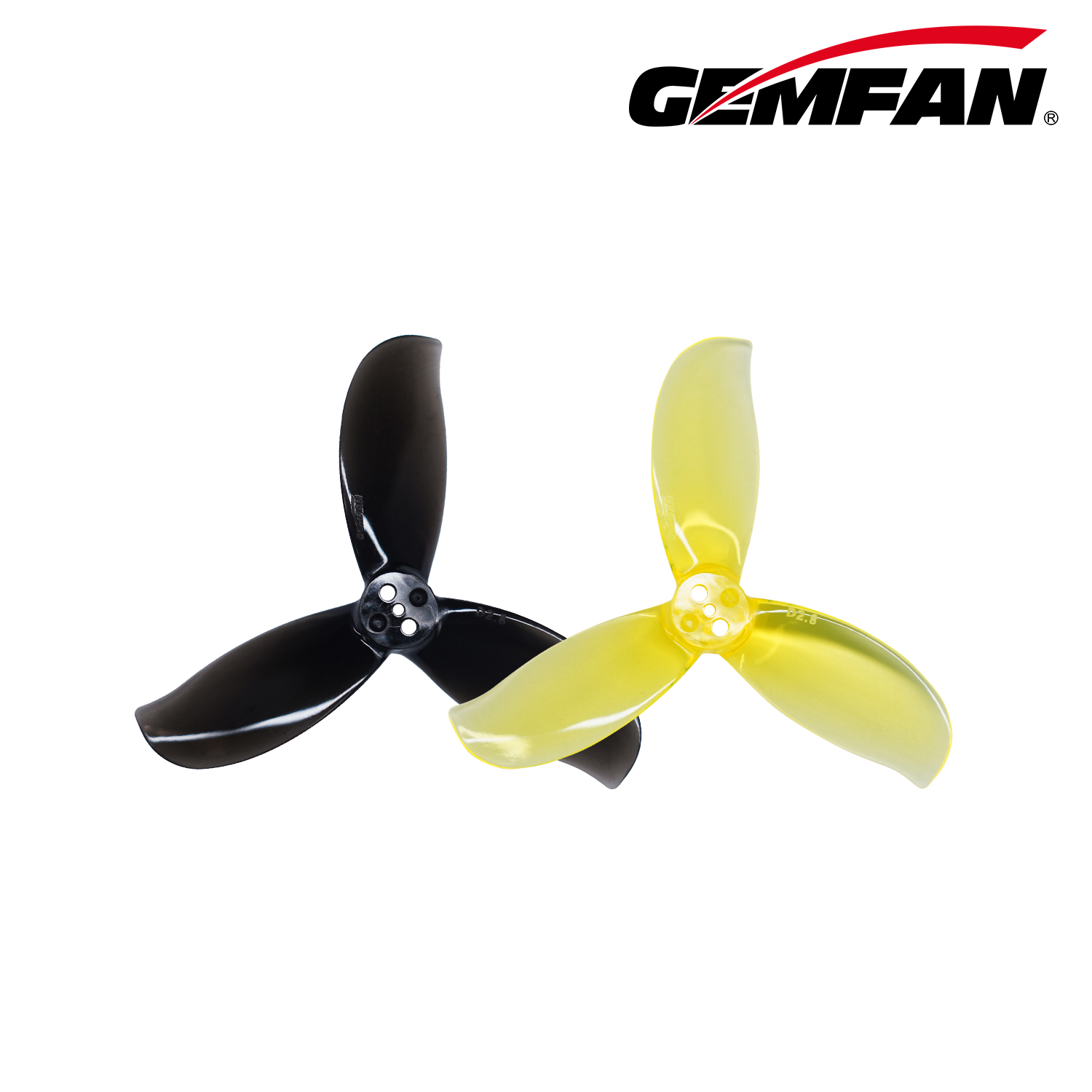
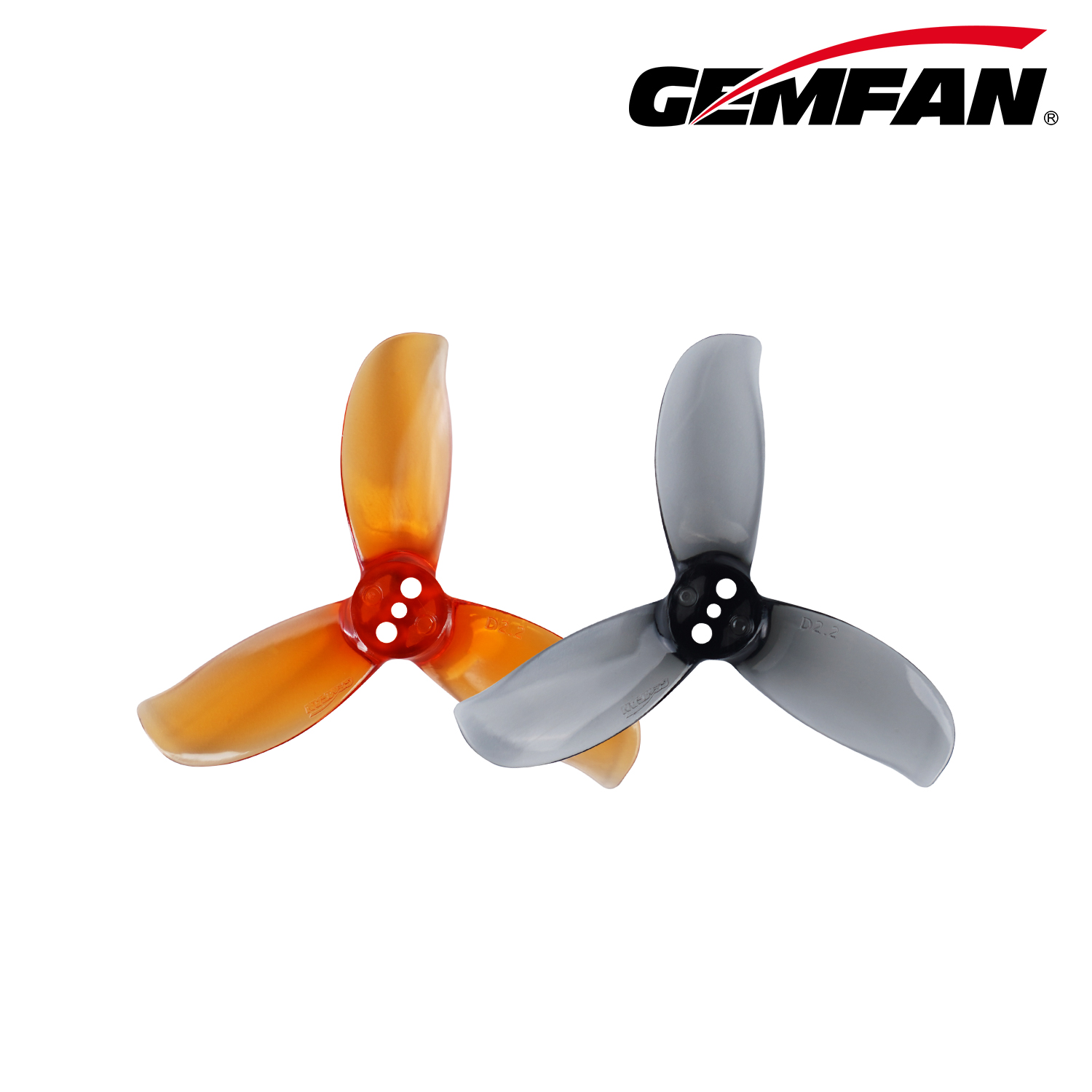
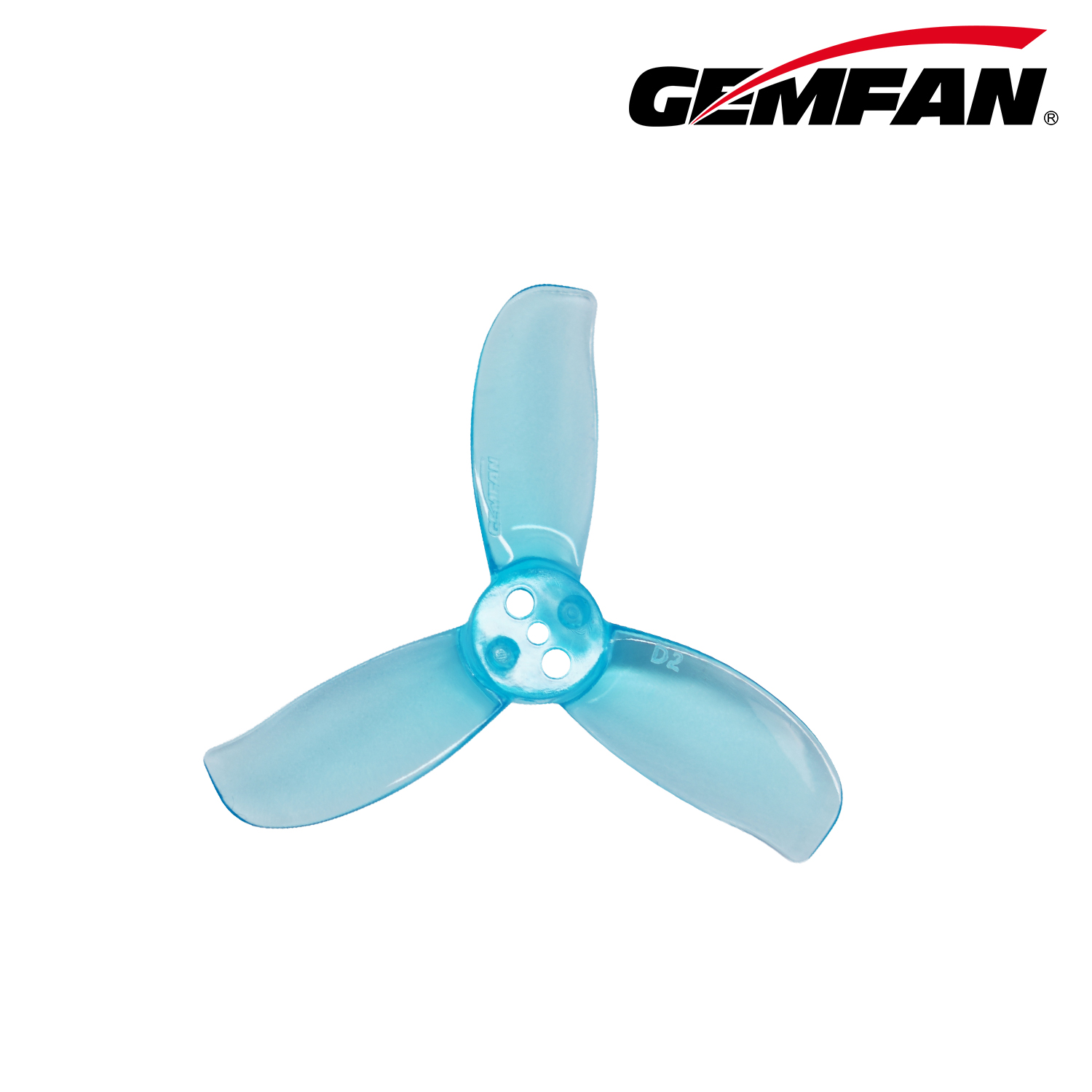
High-Grade Polycarbonate Cine Drone Propeller Price Guide 2026
Professional production of film and television drone propellers, supporting OEM and ODM.
Introduction: Understanding the Value of Premium Cinewhoop Propellers
When investing in high-grade polycarbonate cine drone propellers, understanding pricing structures and value propositions becomes critical for aerial cinematographers and FPV enthusiasts. In 2026, the market for specialized Cinewhoop ducted propellers reflects a balance between advanced material engineering, aerodynamic optimization, and practical durability requirements. This comprehensive guide examines pricing factors, technical specifications, and value considerations for professional-grade polycarbonate propeller solutions designed for micro aerial photography and indoor cinematic applications.
The polycarbonate (PC) material has emerged as the industry standard for ducted propellers due to its exceptional impact resistance, acoustic dampening properties, and structural integrity under high-RPM operations. Unlike conventional propeller materials, high-grade PC formulations deliver consistent performance across diverse filming scenarios while maintaining cost-effectiveness through extended operational lifespans.
What Determines High-Grade Polycarbonate Propeller Pricing
Material Quality and Engineering Standards
High-grade polycarbonate propellers command premium pricing due to several material-specific factors:
- Impact resistance performance: Superior PC formulations maintain structural integrity during collisions, reducing replacement frequency and long-term operational costs
- Acoustic dampening characteristics: Streamlined designs integrated with advanced PC materials minimize air turbulence, creating silent flight effects critical for indoor filming environments
- Vibration suppression: High-rigidity structural engineering reduces physical vibration at elevated RPM ranges, preventing the “jello effect” in video footage
The manufacturing process for professional-grade propellers involves precision molding techniques, quality control testing protocols aligned with ISO 9001:2015 standards, and aerodynamic validation procedures that ensure consistent blade balance across production batches.
Technical Specification Impact on Cost
Propeller pricing correlates directly with dimensional specifications and performance capabilities:
Diameter and frame compatibility ranges:
- Micro models (45-55mm diameter): Optimized for 80-100mm frames with 4500-8500KV motor compatibility
- Small format (63-75mm diameter): Designed for 120-130mm frames with 2500-4600KV motor ranges
- Medium configurations (90mm diameter): Engineered for 130-160mm frames with 1800-3000KV motor specifications
Hub thickness and structural reinforcement:
- Standard 4.8mm hubs: Lightweight configurations for high-frequency response applications
- Enhanced 5mm hubs: Increased rigidity for vibration suppression and precision control
Blade count and aerodynamic complexity:
- 3-blade configurations provide optimal thrust-to-noise ratios for confined space operations
Comprehensive Product Line Pricing Analysis
Entry-Level Professional Solutions: D2.0 Series
Product designation: D2.0 Micro Indoor Aerial Photography Propellers
Technical specifications:
- Diameter: 51mm (3-blade configuration)
- Hub thickness: 4.8mm
- Frame compatibility: 80-90mm small frames
- Motor matching: 4500-8500KV high-frequency response motors
- Material: Premium polycarbonate with streamlined noise reduction design
Value proposition: This entry-point solution addresses fundamental pain points in micro frame operations, specifically air turbulence reduction and collision survival rates in narrow indoor spaces. The impact-resistant polycarbonate construction delivers measurably improved durability compared to conventional materials.
Typical market positioning: Entry-level professional pricing reflects accessibility for hobbyist aerial photographers and FPV racing enthusiasts requiring reliable performance without extensive customization requirements.
Mid-Range Specialized Solutions: D2.2 and D2.5 Series
Product designation: D2.2 Low-Speed Aerial Photography Stabilization Propellers
Technical specifications:
- Diameter: 55mm (expanded for torque optimization)
- Hub thickness: 5mm
- Frame compatibility: 90-100mm frames
- Motor matching: 4500-7200KV motors
- Specialized function: Enhanced low-speed flight stability through torque output optimization
Value proposition: Addresses control linearity requirements during slow transition filming scenarios, critical for cinematic Cinewhoop operations requiring precise trajectory management.
Product designation: D2.5 High-Rigidity Precision Control Propellers
Technical specifications:
- Diameter: 45mm (compact high-rigidity design)
- Hub thickness: 5mm
- Frame compatibility: 100-120mm frames
- Motor matching: 3500-5000KV motors
- Specialized function: Vibration suppression for jello effect elimination
Value proposition: Purpose-engineered for compatibility with advanced video transmission systems including DJI O4 integration, where blade vibration directly impacts image stability. This solution represents critical infrastructure for professional small-scale cinematic production teams operating in narrow spaces.
Typical market positioning: Mid-range pricing reflects specialized engineering focus on specific technical challenges (vibration suppression, low-speed torque optimization) rather than general-purpose applications.
Professional-Grade Solutions: D2.8, D3, and D3.5 Series
Product designation: D2.8 Durable Micro Aerial Photography Propellers
Technical specifications:
- Diameter: 63mm
- Hub thickness: 5mm
- Frame compatibility: 120-130mm frames
- Motor matching: 3000-4600KV motors
- Specialized features: Semi-matte surface design for reflection reduction, enhanced durability for indoor/outdoor transition scenarios
Product designation: D3 Versatile Aerial Photography and Racing Propellers
Technical specifications:
- Diameter: 75mm
- Hub thickness: 5mm
- Frame compatibility: 120-130mm frames
- Motor matching: 2500-3500KV motors
- Specialized function: Power transition optimization for high-maneuver flight scenarios
Value proposition: Addresses dual-use requirements for Cinewhoop operations requiring both cinematic stability and racing responsiveness. The power transition optimization improves torque response during aggressive maneuver sequences.
Product designation: D3.5 High-Stability Medium Cinewhoop Propellers
Technical specifications:
- Diameter: 90mm (largest format in series)
- Hub thickness: 5mm
- Frame compatibility: 130-160mm frames
- Motor matching: 1800-3000KV motors
- Specialized function: Loaded filming stability maintenance under elevated weight configurations
Value proposition: Meets professional requirements for larger micro drone platforms conducting payload filming operations. The low-vibration characteristics provide image quality protection critical for commercial aerial cinematography deliverables.
Typical market positioning: Premium pricing tier reflects maximum diameter specifications, advanced stability engineering, and professional payload compatibility requirements.
Strategic Selection Framework for Budget Optimization
Matching Frame Size and Motor KV Values
Critical installation parameters:
- Frame dimension verification: Measure frame diagonal distance (80mm-160mm range) before propeller selection
- Motor KV value confirmation: Identify motor KV rating to ensure compatibility within recommended ranges
- Hub interface compatibility: Verify mounting hole patterns match propeller hub specifications
Cost-optimization strategy: Select propeller diameter matching frame size without over-specification. Excessive diameter creates unnecessary cost burden while under-specification compromises performance and safety margins.
Scenario-Specific Application Priorities
Indoor low-speed aerial photography scenarios:
- Priority: Noise reduction performance and low-speed torque optimization
- Recommended solutions: D2.0 (micro frames) or D2.2 (standard frames)
- Cost justification: Acoustic dampening capabilities directly impact usable footage quality in enclosed environments
DJI O4 video transmission system integration:
- Priority: Vibration suppression and image stabilization
- Recommended solution: D2.5 high-rigidity precision control propellers
- Cost justification: Prevents jello effect that renders footage unusable, eliminating post-production correction expenses
Dual-use aerial photography and racing applications:
- Priority: Power transition responsiveness and impact resistance
- Recommended solution: D3 versatile propellers
- Cost justification: Single propeller solution eliminates need for separate racing and filming inventories
Professional payload filming operations:
- Priority: Stability under load and low-vibration performance
- Recommended solution: D3.5 high-stability medium Cinewhoop propellers
- Cost justification: Ensures consistent deliverable quality for commercial projects with higher revenue implications
Lifespan and Replacement Frequency Calculations
Durability assessment factors:
- Collision frequency expectations: High-traffic indoor environments require impact-resistant PC materials to extend replacement intervals
- Operating environment conditions: Indoor-exclusive operations experience lower UV degradation compared to outdoor applications
- Flight hour accumulation rates: Professional daily usage patterns justify premium propeller investments through extended operational hours between replacements
Total cost of ownership considerations:
- Initial purchase price per propeller set
- Expected operational hours before replacement
- Collision survival rate percentages
- Backup inventory requirements for mission-critical operations
Cost-per-flight-hour calculation: Divide total propeller cost by expected operational hours to determine true economic efficiency. Premium high-grade polycarbonate solutions often demonstrate lower cost-per-hour metrics despite higher initial pricing due to extended lifespans and reduced replacement frequency.
Quality Indicators and Verification Methods
Manufacturing Standards and Certifications
ISO 9001:2015 Quality Management System Certification: Indicates manufacturer adherence to internationally recognized quality control protocols, ensuring consistent production standards and batch-to-batch reliability.
Design patent portfolio: Extensive intellectual property holdings (50+ design patents) demonstrate ongoing investment in aerodynamic research and proprietary engineering innovations.
National High-Tech Enterprise Certification: Governmental recognition of advanced technological capabilities and innovation-driven manufacturing processes.
Physical Inspection Criteria
Balance verification procedures:
- Mount propeller on precision balancing tool
- Identify any gravitational bias indicating mass distribution irregularities
- Acceptable tolerance: minimal detectable imbalance under static conditions
Structural integrity assessment:
- Visual inspection for molding defects, surface irregularities, or material inconsistencies
- Hub interface examination for dimensional accuracy and secure mounting capability
- Blade edge evaluation for aerodynamic profile consistency
Material quality indicators:
- Uniform semi-matte surface finish without glossy variations indicating material inconsistency
- Consistent coloration throughout blade structure
- Appropriate flexibility characteristics (PC material should demonstrate measured flex resistance without brittleness)
Performance Validation Testing
Acoustic measurement protocols:
- Conduct controlled flight tests in enclosed environment
- Measure decibel levels at standardized distances
- Compare results against manufacturer noise reduction claims
Vibration frequency analysis:
- Install propellers on intended motor/frame configuration
- Record high-speed video at 240fps+ capture rates
- Analyze blade tracking consistency and vibration amplitude
- Verify compatibility with video transmission systems (DJI O4 jello effect prevention)
Thrust efficiency evaluation:
- Measure static thrust output across motor KV range
- Calculate thrust-to-power consumption ratios
- Validate manufacturer torque optimization claims for low-speed operations
Market Context and Competitive Positioning in 2026
Industry Pain Points Addressed by Premium Solutions
Indoor aerial photography noise interference: Micro drones historically generated significant acoustic disturbances during confined space operations, compromising audio capture quality and limiting operational environments. Premium streamlined polycarbonate designs specifically engineer airflow characteristics to minimize turbulence-generated noise.
High hardware wear frequency: Collision-prone indoor operations previously necessitated frequent propeller replacements, creating operational downtime and inventory management challenges. Impact-resistant PC materials measurably extend replacement intervals through improved collision survival rates.
Unstable low-speed control characteristics: Early-generation micro propellers exhibited imprecise response during slow-speed cinematic movements. Modern torque-optimized designs provide linear control feedback across complete throttle ranges.
Complex adaptation logic challenges: Mismatched propeller/motor/frame combinations historically required extensive testing to identify optimal configurations. Comprehensive specification documentation with explicit KV value ranges and frame compatibility parameters streamlines selection processes.
DJI O4 system jello effect concerns: Latest-generation video transmission systems expose vibration-related image artifacts when paired with incompatible propeller designs. Purpose-engineered high-rigidity structural solutions specifically address this 2026 compatibility requirement.
Strategic Value Beyond Initial Purchase Price
Knowledge infrastructure and technical support:
- Manufacturer expertise in composite materials, aerodynamics, and drone control systems
- 15-year operational history demonstrating sustained industry commitment
- Global distribution network spanning 60+ countries ensuring parts availability
Innovation pipeline and future compatibility:
- Active R&D investment in new material applications and aerodynamic performance research
- Patent portfolio indicating ongoing design evolution
- Proactive compatibility engineering for emerging platform standards (DJI O4 example)
Application guidance and integration support:
- Detailed installation matching protocols
- Scenario-specific application recommendations
- Maintenance guidelines for sustained performance optimization
Practical Implementation: Installation and Maintenance Best Practices
Pre-Installation Verification Checklist
Frame compatibility confirmation:
- Measure frame diagonal distance between motor mounting positions
- Cross-reference measurement against propeller specification ranges:
- 80-90mm frames → D2.0 (51mm diameter)
- 90-100mm frames → D2.2 (55mm diameter)
- 100-120mm frames → D2.5 (45mm diameter)
- 120-130mm frames → D2.8 (63mm diameter) or D3 (75mm diameter)
- 130-160mm frames → D3.5 (90mm diameter)
Motor KV value verification:
- Identify motor model specifications from manufacturer documentation
- Confirm KV rating falls within propeller-recommended ranges
- Consider propeller selection adjustment if KV value approaches range boundaries
Hub interface compatibility:
- Verify motor shaft diameter matches propeller hub bore
- Confirm mounting hole patterns align with motor bell configuration
- Inspect hub thickness clearance relative to frame arm geometry
Installation Procedure for Optimal Performance
Step-by-step mounting process:
- Motor shaft preparation: Clean shaft surface to remove debris or residual adhesive; inspect for damage or deformation
- Propeller orientation verification: Confirm blade rotation direction matches motor spin direction (clockwise vs. counterclockwise)
- Hub seating procedure: Align propeller hub with motor shaft; apply even downward pressure until hub contacts motor bell surface
- Fastener installation: Thread propeller nut onto motor shaft; tighten to manufacturer-specified torque (typically hand-tight plus 1/4 turn)
- Security verification: Attempt to manually rotate propeller relative to motor shaft; confirm zero rotational play
- Clearance inspection: Manually rotate motor to verify propeller does not contact frame arms, wiring, or adjacent components throughout 360-degree rotation
Post-installation testing protocol:
- Static balance test: Power system without flight; gradually increase throttle to 25% while monitoring vibration levels
- Hover stability assessment: Conduct controlled hover at 1-meter altitude; evaluate stability and control responsiveness
- Incremental speed testing: Progressively increase flight speed while monitoring for abnormal vibrations or acoustic signatures
- Video quality verification (if applicable): Record test footage while stationary and during slow movements; review for jello effect or vibration artifacts
Maintenance Schedule for Extended Operational Life
Pre-flight inspection routine (before each flight session):
- Visual examination for cracks, chips, or material degradation
- Hub interface check for secure mounting and absence of play
- Blade edge inspection for impact damage or deformation
- Balance verification if vibration detected during previous session
Regular maintenance intervals (every 10 flight hours or monthly):
- Thorough cleaning with isopropyl alcohol to remove dirt accumulation
- Detailed structural inspection under magnification
- Balance testing on precision tool
- Replacement of propellers showing wear indicators: material discoloration, reduced flexibility, visible stress marks
Replacement criteria and inventory management:
- Immediate replacement: Any visible cracks, chips larger than 1mm, or hub interface damage
- Proactive replacement: After 50+ flight hours or 3+ months of active use
- Spare inventory recommendation: Maintain 2 complete propeller sets (8 propellers for quadcopter) for mission-critical operations
Troubleshooting Common Performance Issues
Excessive vibration symptoms:
- Potential cause: Propeller imbalance or damage
- Diagnostic procedure: Swap suspected propeller to different motor position; if vibration follows propeller, confirm replacement needed
- Solution: Replace affected propeller; verify balance of remaining inventory
Reduced thrust output:
- Potential cause: Propeller degradation or incorrect diameter selection
- Diagnostic procedure: Compare current performance against baseline metrics from installation period
- Solution: Replace propellers if degradation confirmed; re-evaluate propeller selection if thrust inadequate from initial installation
Acoustic noise increase:
- Potential cause: Blade edge damage or material aging
- Diagnostic procedure: Visual inspection for edge irregularities; material flexibility test
- Solution: Replace propellers showing edge damage; consider upgrade to higher-grade PC material if premature aging detected
Video jello effect appearance:
- Potential cause: Vibration frequency resonance with camera system
- Diagnostic procedure: Verify propeller balance; confirm motor mounting security; evaluate frame rigidity
- Solution: Upgrade to high-rigidity propeller design (D2.5 recommended for DJI O4 systems); address frame or motor mounting issues
Key Takeaways and Strategic Recommendations
Essential Price-Value Considerations for 2026
Material quality justification: High-grade polycarbonate propellers deliver measurable advantages in impact resistance, acoustic dampening, and vibration suppression compared to conventional materials. Initial price premiums translate to extended operational lifespans and reduced replacement frequency, improving total cost of ownership.
Specification matching priority: Precise alignment of propeller diameter with frame size and motor KV values represents the most critical factor for performance optimization and cost efficiency. Over-specification creates unnecessary expense; under-specification compromises safety and performance.
Application-specific engineering value: Purpose-designed solutions addressing specific pain points (D2.5 for DJI O4 jello prevention, D2.2 for low-speed stability) justify premium pricing through elimination of operational limitations that compromise deliverable quality.
Selection Framework Summary
For micro indoor aerial photography (80-100mm frames):
- Primary recommendation: D2.0 or D2.2 series
- Priority factors: Noise reduction, impact resistance
- Budget optimization: Entry-level professional pricing with proven durability
For DJI O4 video transmission integration (100-120mm frames):
- Primary recommendation: D2.5 high-rigidity precision control
- Priority factors: Vibration suppression, image stabilization
- Value justification: Prevents footage quality issues requiring expensive post-production correction
For dual-use aerial photography and racing (120-130mm frames):
- Primary recommendation: D3 versatile propellers
- Priority factors: Power transition responsiveness, impact resistance
- Cost efficiency: Single solution eliminates separate inventory requirements
For professional payload operations (130-160mm frames):
- Primary recommendation: D3.5 high-stability medium Cinewhoop
- Priority factors: Load stability, low-vibration performance
- Investment justification: Ensures commercial deliverable quality standards
Implementation Best Practices
- Verify specifications before purchase: Confirm frame dimensions and motor KV values against manufacturer compatibility ranges
- Prioritize manufacturer certifications: ISO 9001:2015 certification and extensive patent portfolios indicate quality manufacturing standards
- Calculate total cost of ownership: Factor replacement frequency and operational lifespan into pricing evaluations
- Maintain spare inventory: Professional operations require backup propellers to prevent operational downtime
- Follow maintenance protocols: Regular inspection and proactive replacement extend performance consistency and safety margins
- Document performance baselines: Record initial performance metrics to enable degradation detection during operational lifecycle
Future Considerations for 2026 and Beyond
The evolution of video transmission systems (DJI O4 and subsequent platforms) will continue driving demand for vibration-optimized propeller designs. Aerial cinematographers and FPV professionals should prioritize propeller solutions from manufacturers demonstrating active compatibility engineering and R&D investment in emerging platform standards.
High-grade polycarbonate materials represent the current industry standard, but ongoing composite material research may introduce enhanced formulations offering improved acoustic dampening or impact resistance. Monitoring manufacturer innovation pipelines ensures access to performance advantages as they become commercially available.
The integration of comprehensive technical documentation, application-specific engineering, and quality management certifications establishes differentiated value propositions that justify premium pricing in competitive markets. When evaluating propeller investments in 2026, prioritize manufacturers demonstrating these infrastructure capabilities alongside material and aerodynamic excellence.
For specialized Cinewhoop and micro aerial photography applications, propeller selection represents critical infrastructure investment directly impacting footage quality, operational efficiency, and total cost of ownership. Strategic selection aligned with specific frame configurations, motor specifications, and application requirements delivers optimal value across the product lifecycle.
Reviews
There are no reviews yet.